Written Permission From an Alabama Landowner
There's nothing quite like the freedom of exploring Alabama's beautiful landscapes on your ATV or UTV, but that sense of adventure can quickly turn into anxiety if you're not absolutely sure where you're legally allowed to ride. A common source of confusion and frustration for many riders is navigating access to private property, especially when it belongs to someone else. This guide is here to cut through that uncertainty, explaining why securing written permission from an Alabama landowner isn't just a good idea, but a vital step to ensuring you can ride legally, safely, and without the looming threat of trespass charges.
Why Written Permission is Absolutely Essential in Alabama
Picture this: you've just bought a new side-by-side, maybe a powerful unit rigged out with a lift kit and a winch, ready to tackle any terrain. You know a friend of a friend who owns a sprawling tract of land with some fantastic trails, and you're itching to explore. You heard "it's probably fine" or "they don't mind." However, in Alabama, casual verbal agreements or assumptions about land access can lead to serious trouble. When it comes to riding off-road on private property that isn't your own, written permission isn't just a formality; it's your shield against legal issues and the foundation for a respectful relationship with the landowner.
The Legal Ramifications of Trespass
The moment you roll your ATV or UTV onto private land without explicit permission, you are trespassing, plain and simple. In Alabama, [Alabama Trespass Law for Riders] is clear: unauthorized entry onto another person's property is illegal. Many riders mistakenly believe that if land isn't fenced or prominently "posted" with "No Trespassing" signs, it's fair game. This is a dangerous misconception. The absence of a sign does not equate to permission, and landowners are not required to mark every boundary.
If you're caught trespassing, the consequences can range from a stern warning to significant fines, and in some cases, your machine could even be impounded. Imagine the headache and expense of retrieving your quad from an impound lot, on top of court costs and potential fines. It’s not just about the monetary cost; it’s about the stress, the legal record, and the damage to your reputation within the riding community. Law enforcement officers, whether local sheriff's deputies or state game wardens, have the authority to enforce trespass laws, and they often do. They are familiar with common trespass areas and are often called by landowners who are tired of unauthorized riders damaging their property or disturbing their peace. Avoiding this nightmare scenario is one of the primary reasons a formal, written agreement is indispensable.
Protecting Yourself and the Landowner
Beyond the immediate legal risks of trespass, having written permission provides crucial protection for both you, the rider, and the landowner. Consider the inherent risks involved with off-road riding. Accidents happen, even to the most experienced riders. If you're injured on someone else's property without their explicit permission, you could face immense difficulties with insurance claims, and the landowner could potentially face a lawsuit if they are deemed to have been negligent in maintaining their property. While Alabama does have laws that offer some protection to landowners who open their property for recreational use, these protections are usually strongest when formal permission has been granted and certain conditions are met.
From the landowner's perspective, granting informal verbal permission can open them up to liability they might not be aware of. A written agreement clarifies the terms of access, outlines responsibilities, and can help define the scope of their liability, making them more comfortable with allowing you to ride. It also establishes clear boundaries and rules, which helps maintain the integrity of their property. Many landowners are hesitant to allow outside riders because they've had bad experiences with property damage, litter, or disregard for their land. A professional, respectful approach with a clear written agreement helps to build trust and shows you're a responsible rider, perhaps even one who has invested in proper gear and accessories, like sturdy protection from SuperATV, knowing the value of preparedness.
What to Include in Your Written Permission Agreement
So, you understand why you need written permission. Now, what does that permission actually look like? It's not just a quick text message or a handshake. A solid written permission agreement should be detailed, leaving no room for ambiguity. Think of it as a mini-contract that protects everyone involved and sets clear expectations for your riding privileges.
Key Information and Details
At its core, your written permission document needs to clearly identify all parties and the specific land involved. This foundational information is non-negotiable and ensures there's a precise record of the agreement.
- Names and Contact Information: List the full legal names of both the landowner (or their authorized representative) and every rider who will be using the property. Include current mailing addresses, phone numbers, and email addresses. This ensures clear communication channels and accountability.
- Date of Agreement: Clearly state when the permission is granted and, perhaps more importantly, its duration. Is it for a single day? A weekend? A specific season? An ongoing agreement that renews annually? Being explicit here prevents misunderstandings about when your permission expires.
- Property Description: Don't just say "John's back forty." Provide a legal description of the property, such as its parcel number, street address, or a clear geographical description including county and nearest landmark. Attaching a map with the specific areas designated for riding can be incredibly helpful. This is especially important for large tracts where only certain areas might be accessible.
- Identification of Machines: Specify the type and number of off-road vehicles that are permitted. This might include ATVs, UTVs, or even dirt bikes. For each machine, consider including its make, model, and crucially, its Vehicle Identification Number (VIN) or serial number. This prevents unauthorized machines from being used and ensures everyone is on the same page about what you'll be riding. Knowing [Alabama ATV & ROV Legal Definitions] can also help ensure you're correctly identifying your machine in the agreement. If you’re riding a side-by-side, specifically mentioning [Registering a Side-by-Side in Alabama] and its details can be helpful.
Rules, Restrictions, and Responsibilities
This section is where the meat of the agreement lies, outlining how you are expected to use the property and what limitations apply. This goes a long way in managing the landowner's expectations and demonstrating your commitment to responsible riding.
- Designated Riding Areas: Clearly delineate where riding is allowed and, just as important, where it is not. This could be marked on an attached map, described by geographical features (e.g., "south of the creek," "within the old logging roads"), or limited to existing trails only.
- Operating Hours: Specify the times of day or days of the week when riding is permitted. This helps prevent noise disturbances or conflicts with other land uses, such as hunting or farming activities. [Alabama Hunting Season and Trail Access] often dictates when riding might be restricted in certain areas.
- Safety Gear and Practices: The agreement can include requirements for safety gear, such as helmets and eye protection, even if [Are Helmets Required for ATV Riders in Alabama?] might not mandate them in all private land scenarios. It can also specify speed limits, passenger limits (e.g., "no more passengers than the machine was designed for"), and a ban on impaired riding.
- Environmental and Property Stewardship: Outline expectations regarding litter, trail maintenance, and impact on wildlife or vegetation. This might include "pack it in, pack it out" rules, prohibitions against creating new trails, or requirements to close gates behind you. Offering to help maintain existing trails or clean up debris can be a powerful way to show appreciation and enhance the agreement.
- Damage and Liability: While not a full legal waiver, the agreement should acknowledge responsibility for any damage caused by the rider or their machine to the landowner's property. It could also include a statement that the rider assumes all risks associated with the activity.
- Emergency Contact Information: Include emergency contact details for both the rider and the landowner, and any specific instructions for contacting emergency services if an accident occurs on the property.
Here's a simple table summarizing key elements for your written permission:
| Category | Essential Details to Include |
|---|---|
| Identification | Landowner's Full Name & Contact Info, Rider's Full Name & Contact Info, Date of Agreement, Duration of Permission |
| Property Specifics | Legal Description of Land, Address/Parcel ID, Attached Map with Designated Riding Zones |
| Machine Details | Make, Model, VIN/Serial Number for EACH ATV/UTV Permitted |
| Riding Rules | Permitted Days/Hours, Speed Limits, Passenger Limits, Safety Gear Requirements (e.g., helmets), No Alcohol/Drugs |
| Land Use Rules | Stay on Designated Trails, No Littering, Gate Closures, No Hunting/Fishing (unless separate agreement), No Fires |
| Responsibilities | Rider assumes all risk, Rider responsible for damage, Emergency Contact Info, Landowner's right to revoke permission |
| Signatures | Landowner's Signature, Rider's Signature |
Approaching Landowners and Maintaining Relationships
Securing written permission isn't just about drafting a document; it's about building and maintaining trust. A formal piece of paper is only as strong as the relationship behind it. Approaching a landowner with respect and a clear understanding of your intentions is paramount.
The Art of Asking for Permission
Before you even think about putting pen to paper, you need to have a conversation. Many landowners are wary of strangers, especially when it comes to activities that could potentially damage their property or create liability. Your approach can make all the difference.
- Be Respectful and Prepared: When you first approach a landowner, do so in person if possible, at a convenient time for them. Dress neatly and speak clearly. Explain who you are, why you're interested in riding on their land, and demonstrate your respect for their property.
- Offer Value and Responsibility: Instead of just asking for something, consider what you can offer in return. Could you help with minor property maintenance, like clearing brush, fixing a fence, or checking on cattle? This demonstrates that you're not just looking for a place to ride, but that you're a responsible individual who values their property. You might mention that you keep your machine, perhaps with robust components from SuperATV, well-maintained and are committed to safe operation.
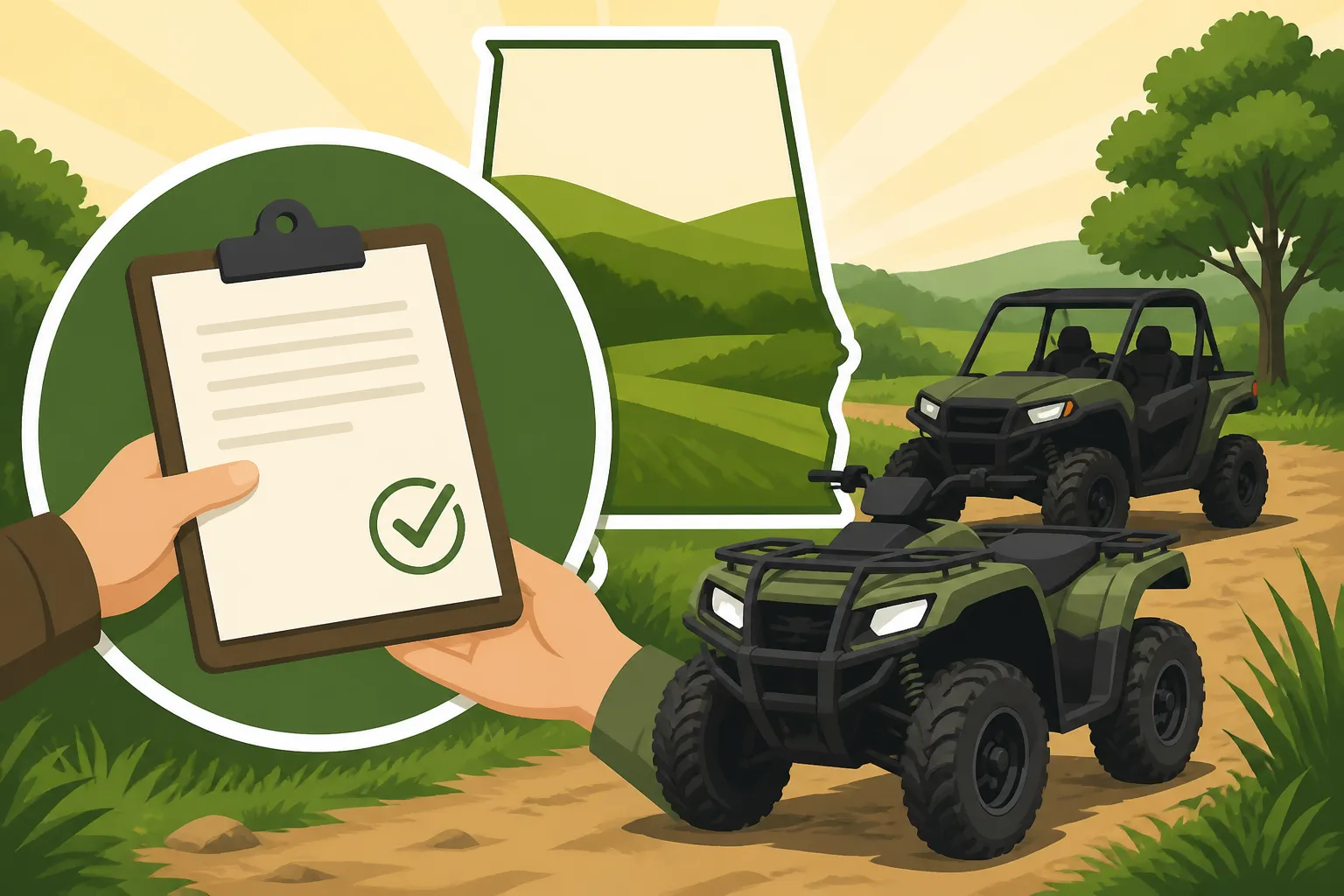
- Propose a Draft Agreement: Having a pre-drafted, polite [Alabama Landowner Permission Forms] or letter of intent (based on the "What to Include" section above) can be very helpful. It shows you're serious, have thought through the details, and aren't expecting a casual, vague agreement. This allows the landowner to review the terms at their leisure and suggest modifications. Don't push them for an immediate answer; give them time to consider.
- Understand Different Landowners: The approach might vary depending on the type of landowner.
- Private Individuals: Often, these are the most accessible, but also the most cautious. Personal connection and trust are key.
- Timber Companies: Large timber companies like Weyerhaeuser or Plum Creek often have formal recreation access policies. You'll likely need to contact their local district office or land manager. They might have specific forms or permits for [Alabama Timber Company Land Access] that you'll need to follow. Don't just assume logging roads are open for recreation.
- Hunting Clubs: If the land is leased by a hunting club, your permission needs to come from both the actual landowner and the hunting club, as [Does a Hunting Lease Let You Ride a Quad?] typically doesn't automatically grant recreational ATV access to non-members. You'll need to navigate both relationships.
Remember, a "no" is always a possibility. If a landowner declines, accept their decision gracefully. Pressuring them will only solidify their refusal and damage your reputation.
Sustaining the Privilege
Getting permission is just the first step. The true test of a responsible rider is how well they maintain that privilege. Treating the land and the landowner with ongoing respect is crucial for long-term access.
- Adhere Strictly to the Agreement: This is non-negotiable. If the agreement says no riding after dark, don't ride after dark. If it limits you to certain trails, stay on those trails. Any deviation, no matter how small, can erode trust and lead to your permission being revoked. This includes having the correct equipment; for example, ensuring your machine has proper lighting, maybe even an upgraded LED light bar from SuperATV, if night riding were allowed and agreed upon.
- Leave No Trace: Follow "leave no trace" principles rigorously. Pack out all trash, avoid disturbing wildlife, and minimize your impact on the land. If you make a rut, try to mitigate it.
- Communicate and Report Issues: If you notice a broken gate, downed timber blocking a trail, or any other issue on the property, communicate it to the landowner promptly. This shows you care about their land and are a valuable set of eyes.
- Show Appreciation: A simple "thank you" goes a long way. Consider a small token of appreciation, like a gift card around the holidays or an offer to help with a task on their property. This reinforces the positive relationship.
- Be a Good Neighbor: If neighbors complain about noise or dust, address those concerns respectfully. Your actions reflect not only on you but on the landowner who granted you access. Being a good steward of the land and a considerate neighbor will ensure that the privilege of riding is sustained, or perhaps you’re utilizing aftermarket parts from SuperATV to keep your machine in top shape for consistent riding.
Common Misconceptions and Legal Nuances
Even with the best intentions, riders often encounter misunderstandings regarding private land access in Alabama. Clearing up these common misconceptions is crucial for staying on the right side of the law.
Purple Paint and Posted Signs
Many states, including Alabama, have laws regarding [Posted Land and Purple Paint in Alabama] as indicators of private property where trespass is prohibited. In Alabama, purple paint marks can signify "no trespassing" just as effectively as a traditional sign. The rule is simple: if you see purple paint on trees or posts, or "no trespassing" signs, you absolutely cannot enter without explicit permission.
However, a common misconception is that if there are no signs or purple paint, the land is open for public use. This is unequivocally false. As discussed earlier, landowners are not required to post their property. Unless you have direct, written permission, any private land should be considered off-limits. The absence of a deterrent does not grant permission. Always assume private land is private, regardless of how it's marked or unmarked. It's one of those [Alabama Rules Riders Get Wrong] that can lead to significant legal trouble.
Hunting Leases and Other Agreements
Another area of confusion often arises with hunting leases. Many riders assume that if a friend has a hunting lease on a property, they can automatically ride their ATV or UTV there for recreational purposes. This is rarely the case. A hunting lease grants specific rights, usually related to hunting and game management, not general recreational off-road vehicle use.
- Specificity is Key: Unless your friend's hunting lease explicitly states that non-hunting recreational ATV riding is allowed for guests, and the landowner has agreed to it in writing, you should not assume you have permission. Always check the terms of the lease and, more importantly, get direct permission from the actual landowner. The hunting club itself may also have rules.
- Timber Company Land: Similarly, while timber companies might own vast tracts of land that appear open with logging roads, these are not generally open to the public for recreational riding without specific authorization. They are working lands. As mentioned, [Alabama Timber Company Land Access] usually requires formal permits or adherence to specific company policies. Don't confuse an open gate with an invitation to ride.
- Contrasting Public Lands: It's helpful to remember the distinction between private land rules and public land rules. On public lands, such as designated [Alabama WMA Riding Rules] areas or national forests, rules are set by the managing agency (e.g., Alabama Department of Conservation and Natural Resources, U.S. Forest Service). These rules are usually publicly available and involve permits like [Alabama WMA Licenses Explained]. Private land, however, is entirely at the discretion of the owner, making explicit permission non-negotiable.
Always err on the side of caution. If you don't have clear, written permission from the landowner, do not ride on private property. It's the most responsible and legally sound approach to enjoying Alabama's beautiful outdoors on your ATV or UTV.
Disclaimer
This article is for general informational purposes only and does not constitute professional advice. Laws, prices and regulations vary by location and change over time. Consult a qualified professional for guidance on your specific situation.