Alabama Riding After Dark
Riding your ATV or UTV after the sun dips below the horizon in Alabama can be an incredibly peaceful and exciting experience, but it also comes with a unique set of challenges and legal considerations that many riders overlook. It’s easy to think that just because you have headlights, you're good to go, but the reality is far more nuanced, especially when you consider where you're riding and what the law actually says. This guide is here to unravel the complexities of off-road vehicle use after dark across Alabama, ensuring you understand not just what’s allowed, but how to stay safe and avoid costly mistakes.
The Basics of Night Riding Legality in Alabama
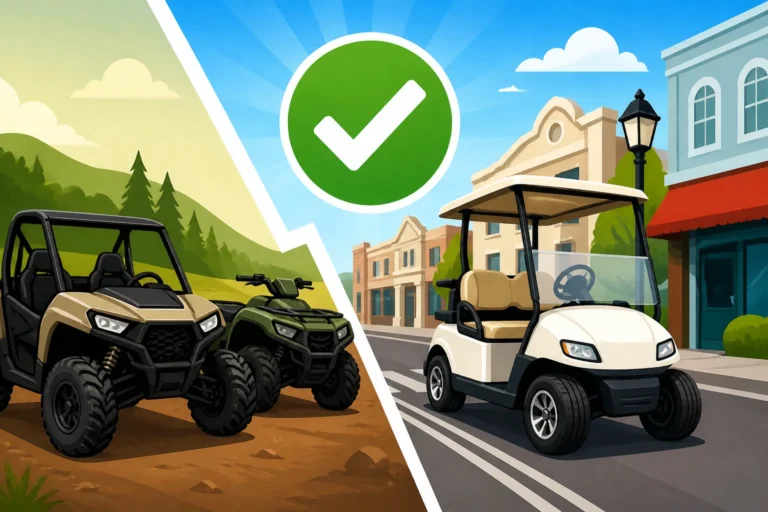
Let's cut right to the chase: using your ATV or UTV on public roads in Alabama, whether it's day or night, is generally a big no-go. This fundamental rule doesn't magically disappear when the sun sets; in fact, riding illegally at night often makes the situation far more perilous and noticeable to law enforcement. The allure of cooler temperatures and quieter trails after dark is strong, but it's critical to understand the legal boundaries before you even think about firing up your machine. The state's statutes are primarily designed around the understanding that these vehicles are built for off-highway use, and their construction simply doesn't meet the rigorous safety standards required for public street travel. This distinction is paramount, as confusing private land rules with public road allowances can lead to serious consequences.
Many riders, especially those new to the sport or new to Alabama, get confused by the idea of "street legal" conversion kits. They might see flashy aftermarket lights or turn signals advertised and assume these modifications inherently grant them the right to cruise down a county road after dusk. Unfortunately, that's almost never the case. The legal framework is designed to prevent these powerful, often heavy, and open-cabin machines from sharing asphalt with passenger cars and trucks, regardless of how many extra lights you bolt on. The core issue isn't just about visibility; it's about crashworthiness, braking standards, tire ratings, and a host of other federally mandated safety features that ATVs and UTVs simply don't possess from the factory.
Why Street Legal Isn't an Aftermarket Kit
The concept of an ATV or UTV becoming "street legal" in Alabama is a common misconception, and it's particularly important to grasp when considering night riding. The primary barrier isn't a lack of lights or mirrors, but rather a deeper issue rooted in federal safety standards. For a vehicle to be truly street legal and eligible for a license plate in Alabama, it must comply with Federal Motor Vehicle Safety Standards (FMVSS). These standards cover everything from crash protection and braking performance to emissions and tire specifications. Your average ATV or UTV, even a brand-new one from the dealership, is manufactured strictly for off-highway use and does not meet these federal requirements.
Think about it this way: a passenger car goes through extensive testing to ensure it can withstand collisions, stop safely at high speeds, and protect its occupants. ATVs and UTVs are designed for different purposes, often without enclosed cabs, seatbelts that meet automotive standards, or crumple zones. While you can add turn signals, a horn, or a rearview mirror through companies like SuperATV, these accessories, while enhancing safety for off-road use, do not magically transform your machine into a federally compliant on-road vehicle. [Alabama's Federal Standard Barrier to Road Use] is a critical piece of legislation that clarifies this point, often disappointing riders who hoped a few modifications would open up road access. Therefore, if your machine doesn't meet the FMVSS from the factory as a Low-Speed Vehicle (LSV) or similar category, no aftermarket kit, no matter how comprehensive, will make it legal for road travel in Alabama, especially after dark when visibility becomes an even greater concern.
The Distinction: Private Property vs. Public Roads
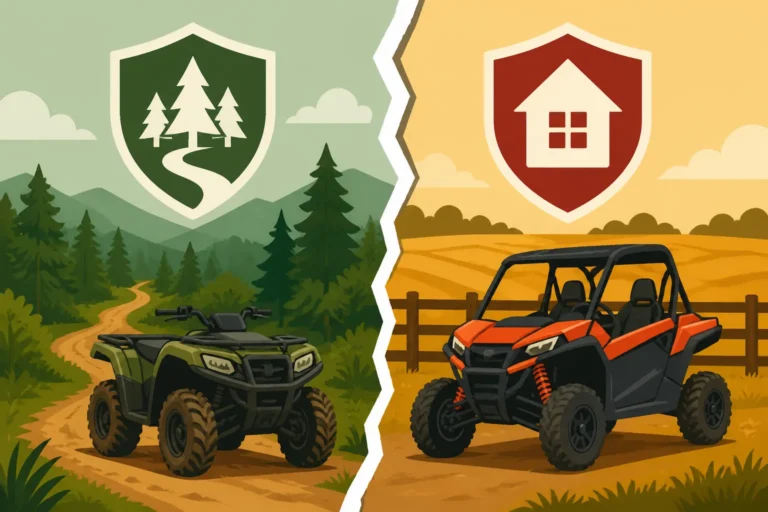
Understanding where you can and cannot ride your ATV or UTV after dark boils down to a fundamental distinction: private property versus public roads or lands. On your own private land, or on land where you have explicit permission from the landowner, you generally have much more freedom regarding when and how you ride. This includes riding after dark, provided you're not creating a public nuisance (like excessive noise complaints from neighbors) or violating any local ordinances that might pertain even to private property. This freedom on private land extends to the type of lighting you use and whether you have additional safety gear beyond the factory setup. Here, personal safety and ethical riding become your primary guides, rather than state traffic laws.
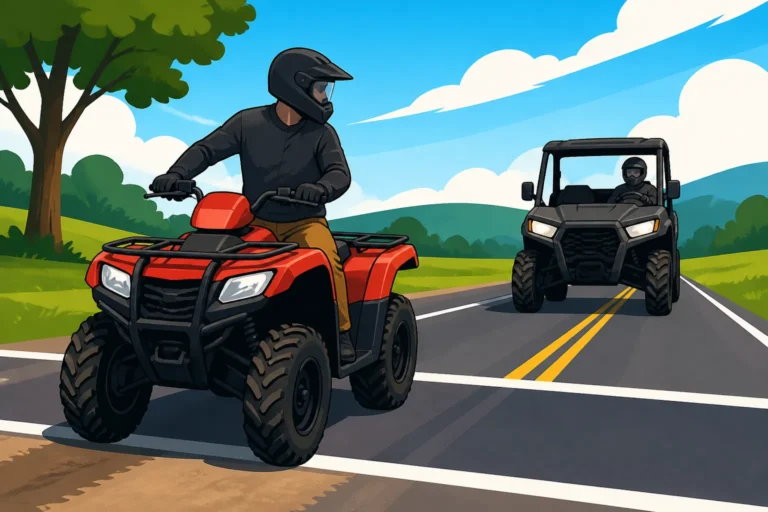
However, the moment your tires touch a public road, highway, or even many unpaved county roads, the rules change drastically. As we've discussed, ATVs and UTVs are typically not permitted on public roads at all in Alabama. This restriction is even more strictly enforced after dark due to increased safety risks. Poor visibility for both the rider and other motorists, the lack of proper road-legal lighting (beyond basic headlights), and the sheer speed differential between off-road machines and street vehicles create a dangerous scenario. [Alabama Rules for Riding a County Road] highlights that even dirt roads are often considered public thoroughfares, subjecting you to the same restrictions. Therefore, while enjoying a night ride on your back forty is perfectly fine, venturing onto public rights-of-way, even briefly, is a gamble that carries significant legal and safety risks once the sun has set.
Essential Equipment for Safe Night Riding
Riding after dark, even on private land or within designated OHV parks that permit it, introduces a whole new layer of challenges. What might be an easily navigable trail by day can become a maze of shadows and obscured obstacles when the only light comes from your machine. This is where proper equipment becomes not just a recommendation, but an absolute necessity for safety and enjoyment. Beyond the legalities of road use, being adequately equipped for night riding means you're prepared for the reduced visibility, potential wildlife encounters, and the sheer unpredictability that darkness brings to the trail. It's about seeing where you're going, being seen by others (if applicable, like in a park), and having the tools to deal with unforeseen circumstances that are exacerbated by the lack of natural light.
The factory lighting on many ATVs and UTVs, while sufficient for basic daytime operations or twilight, is often not robust enough for serious night riding, especially on technical trails. The beams might be too narrow, lack the necessary throw, or simply not be bright enough to illuminate obstacles effectively. This often leads riders to invest in aftermarket lighting solutions, and for good reason. From light bars that turn night into day, to auxiliary pod lights that fill in crucial blind spots, the right lighting setup can dramatically improve your confidence and safety. But it's not just about what you can see; it's also about what can see you, especially if you're riding in a group or in an area with other users.
Headlights, Taillights, and Beyond
When it comes to night riding, your machine's standard headlights and taillights are just the starting point, especially if you're planning on venturing onto more challenging trails or riding for extended periods. While every ATV and UTV comes equipped with basic lighting, these factory setups are often designed for minimum compliance and might not provide the breadth or intensity of light needed to truly see what's ahead in the dark. A narrow beam might illuminate a small section directly in front of you, but leave dangerous ruts, fallen branches, or sudden drops shrouded in shadow just outside that beam. For serious night riders, upgrading your lighting system is almost always a priority.
This usually involves adding auxiliary lighting, such as LED light bars, spot lights, or flood lights. A good LED light bar, like some of the robust options offered by SuperATV, can cast a wide, bright beam that effectively turns night into day, giving you critical reaction time to navigate obstacles. Beyond just lighting the path ahead, consider the angles. Auxiliary pod lights mounted on your A-pillars or bumpers can illuminate the sides of the trail, helping you spot wildlife or sharp turns that your main headlights might miss. For the rear, brighter LED taillights or even a chase light can significantly increase your visibility to other riders in a group, preventing rear-end collisions, particularly in dusty conditions. Don't forget, however, that while these lights are fantastic for off-road use, they are often too bright and can be illegal for on-road vehicle use, reinforcing why [Alabama Lighting on a Machine at Night] emphasizes the distinction between public road and private property.
Reflective Gear and Auxiliary Lighting
Beyond the lights on your machine, your personal visibility and that of your riding companions are crucial when riding after dark. Even with powerful auxiliary lights, there will be moments when you're dismounted, making repairs, or simply taking a break, and having reflective gear can be a lifesaver. This includes reflective vests, patches on your riding jacket, or even reflective strips on your helmet. The goal is to catch any ambient light or the beams from another machine, making you stand out in the darkness. This is particularly important if you're riding in a group, as it helps prevent accidental bumps or getting separated from your party.
Consider also other auxiliary lighting beyond just forward-facing beams. Small, battery-powered LED lights can be attached to helmets or backpacks, providing a personal light source that moves with your head, illuminating exactly where you're looking. This is invaluable when you need to consult a map, check your machine, or tend to a small task. Furthermore, an often-overlooked item is a high-quality headlamp. A good headlamp frees up your hands for tasks like changing a tire or using a winch, and it ensures you always have directed light exactly where you need it, even if your machine's power goes out. Investing in these additional visibility aids and personal lighting tools demonstrates a commitment to safety that goes beyond just what the law might require, greatly enhancing your night riding experience in Alabama's varied terrains.
Navigating Public Lands and Designated OHV Parks After Dark
While public roads are largely off-limits for night riding, many riders correctly wonder about public lands and designated OHV parks. This is where the landscape of rules and regulations becomes a patchwork, varying significantly from one location to another. Some privately operated parks might have specific night riding hours, while state parks or federal lands could have strict curfews. It's never safe to assume that just because a place is open during the day for ATV use, it's also open after dark. Doing your homework before you load up your machine and head out is the best way to avoid disappointment, fines, or even more serious legal trouble.
The distinction between designated OHV parks and other public lands like national forests or wildlife management areas (WMAs) is a critical one. OHV parks are specifically designed and managed for off-road recreation, often with infrastructure like marked trails, designated camping areas, and on-site staff. These facilities are more likely to have specific policies regarding night riding, whether it's allowing it during certain events or restricting it entirely. National forests and WMAs, however, serve multiple purposes, including conservation, hunting, and timber harvesting, and ATV use is often secondary and highly regulated. Their rules for after-dark activity are typically much more stringent, reflecting their broader conservation goals and safety concerns for diverse users.
Park-Specific Rules and Curfews
Each designated OHV park in Alabama operates under its own set of rules, and these often include specific policies regarding night riding and curfews. It's incredibly important to remember that these aren't just suggestions; they are enforceable rules designed for safety, land preservation, and respecting other park users. For example, [Stony Lonesome OHV Park in Alabama], a popular destination, has clear operating hours that riders must adhere to. While they may host special night rides or events, general admission typically follows daylight hours. Showing up after sunset expecting to ride because you saw some YouTube video of someone else doing it could lead to you being turned away, or worse, receiving a citation.
Before planning any after-dark adventure, always check the park's official website or call their office directly. Look for information on:
- Operating Hours: Are the gates open after dark?
- Night Riding Policies: Are there specific trails designated for night use? Is it only allowed during special events?
- Noise Ordinances: Many parks have quiet hours, especially if camping is permitted, which can impact when you can ride.
- Lighting Requirements: Some parks might have additional requirements for auxiliary lighting or reflective gear for night riders, beyond what's legally mandated by the state for off-road vehicles.
Ignoring these specific park rules can not only get you kicked out but can also jeopardize future access for all riders if enough incidents occur. Always err on the side of caution and confirm local rules before you head out.
National Forests and Wildlife Management Areas
Riding your ATV or UTV in Alabama's National Forests and Wildlife Management Areas (WMAs) after dark is typically far more restricted than in dedicated OHV parks, and in many cases, it's simply not permitted. These vast areas are managed by federal and state agencies with diverse objectives that prioritize conservation, wildlife protection, and various forms of passive recreation (like hiking and hunting), not just motorized off-road use. As such, any ATV or UTV access is usually confined to designated routes and specific times, often coinciding with daylight hours. [Alabama WMA Riding Rules] provide a good example of how access is regulated, focusing on permit requirements and strict trail adherence.
The reasons for these restrictions are numerous. Increased risk of startling or harming wildlife, reduced visibility leading to off-trail damage, the challenge of search and rescue operations in vast, unlit areas, and the potential for increased illegal activity (like poaching) are all significant concerns for land managers. You might find gates closed and locked after certain hours, or signage explicitly prohibiting night use. It's not uncommon for these areas to have strict curfews, meaning your machine must be off the trails and often even off the property before sundown or a specific hour. Always consult the specific district office for the National Forest you plan to visit or the Alabama Department of Conservation and Natural Resources (ADCNR) for WMA rules. Don't rely on general knowledge; these rules can vary even between adjacent tracts of land. Trespassing after hours, even unknowingly, can lead to serious fines and legal issues.
Safety Considerations Beyond Legal Requirements
Even when you're riding in a legally permissible area after dark, safety takes on an entirely new dimension. The absence of natural light fundamentally alters your perception of the environment, turning familiar trails into alien landscapes. What was a minor puddle in the daylight can become a deceptively deep hole at night. A gentle slope can feel like a cliff, and a small branch can appear as a formidable obstacle. Therefore, successful and safe night riding requires not just legal compliance, but a heightened sense of awareness, superior machine preparation, and a commitment to personal protective equipment that goes beyond the basics.
Beyond the immediate terrain, night riding introduces unique environmental factors that can escalate risks. The temperature often drops significantly, and moisture can increase, leading to slicker conditions. Wildlife, much of which is nocturnal, becomes far more active, presenting unexpected hazards. A deer jumping out into your path, or a curious raccoon darting across the trail, can be nearly impossible to see in time, especially at speed. For these reasons, experienced night riders often adopt a more conservative approach, reducing speed, increasing following distances in groups, and constantly scanning their surroundings.
Terrain Challenges and Reduced Visibility
One of the most immediate and significant challenges of riding an ATV or UTV after dark is the drastically reduced visibility, which profoundly impacts how you perceive and react to the terrain. Even with the best aftermarket lighting, you're still relying on artificial light that casts stark shadows and can flatten out contours, making it difficult to judge depth, height, and the true nature of obstacles. A rock that appears small in your headlight beam might be much larger, or a dip in the trail could be far deeper than it looks. This optical illusion can lead to misjudgments, which can then result in rollovers, unexpected impacts, or getting stuck.
To mitigate these risks, it’s advisable to ride trails you are already familiar with during the day. Knowing the general layout, major obstacles, and tricky sections can give you a significant advantage, even if they look different in the dark. Furthermore, reduce your speed. What might be a comfortable pace in daylight could be dangerously fast when your reaction time is compromised by limited visibility. Maintain a greater following distance if you're riding with a group, as dust kicked up by the machine in front of you can completely blind you, turning an already challenging situation into a perilous one. Focus on a smooth, controlled ride, and be prepared to stop or slow down suddenly if an unexpected shadow or glint of light indicates a change in the terrain. [Alabama Trail Difficulty Ratings] for specific parks often assume daylight conditions, so always downgrade your personal assessment of a trail's difficulty when riding at night.
Wildlife Encounters and Environmental Factors
Riding after dark places you in the realm of Alabama's nocturnal wildlife, creating an entirely new set of safety considerations. Many animals, from deer and wild hogs to smaller creatures like raccoons and opossums, are most active between dusk and dawn. These animals can unexpectedly dart across trails, stand frozen in your headlights, or even approach out of curiosity. A collision with a deer or a wild hog, especially at speed, can cause significant damage to your machine and severe injury to the rider. The element of surprise is greatly amplified in the dark, making it much harder to anticipate and react to these encounters.
Beyond wildlife, environmental factors also play a larger role at night. Temperatures can drop considerably, making hypothermia a concern if you're stranded or get wet. Dew or fog can form, reducing visibility even further and making trails slick. Water crossings might appear shallower or deeper than they actually are due to the lack of light, and the cold water can be a shock. Always carry extra layers of clothing, a first-aid kit, a fully charged phone (and a power bank!), and potentially a GPS device. [Alabama Snake Season on the Trail] reminds us of another nocturnal hazard, as snakes can be active after dark, especially in warmer months. Always be aware of your surroundings, scan the edges of the trail, and never assume the trail is clear. If possible, ride with at least one other person and let someone know your riding plan, route, and expected return time before heading out.
Avoiding Common Pitfalls and Penalties
Even with the best intentions and a focus on safety, it's surprisingly easy to make mistakes when riding after dark, especially if you're not fully aware of Alabama's specific regulations and the potential consequences. Many riders, either through ignorance or a moment of poor judgment, find themselves in situations that lead to citations, fines, or even having their machines impounded. The excitement of a night ride can sometimes overshadow common sense, leading to shortcuts or assumptions that prove costly. It's not just about what you legally can't do, but also about the unintended ripple effects of your actions, such as disturbing local residents.
One of the most frequent traps involves venturing onto public roads, even for what seems like a harmless short stretch. The temptation to connect two private properties, bypass a rough section of trail, or simply take the most direct route home after a long ride can be strong. However, law enforcement officers are keenly aware of the general prohibition against ATVs and UTVs on public roads, and your bright lights after dark will only make you more noticeable. Furthermore, noise complaints from residential areas, particularly late at night, can quickly draw official attention, regardless of whether you're on public or private land. Understanding these common pitfalls and their associated penalties is crucial for any Alabama rider who wants to enjoy their machine responsibly after sunset.
Illegal Road Riding Penalties
Ignoring the state's prohibition on operating ATVs and UTVs on public roads, especially after dark, can lead to a host of unpleasant and expensive penalties. Because these machines do not meet FMVSS requirements, they are generally not considered road-legal vehicles in Alabama. This means that if you're caught riding one on a public road, you could face consequences similar to operating an unregistered or uninsured vehicle. A common penalty is a traffic citation, which will come with a fine and potentially court costs. The fines for [Alabama Penalties for Illegal Road Riding] can vary, but they are rarely trivial and can quickly add up.
Beyond fines, there's the possibility of your machine being impounded. If law enforcement deems your operation unsafe or illegal, they have the authority to tow and store your ATV or UTV, adding towing fees and daily storage charges to your growing bill. Recovering your machine can be a bureaucratic headache, often requiring proof of ownership and payment of all associated fees. In more serious cases, if you're involved in an accident while illegally riding on a public road, you could be held liable for damages to other vehicles or property, and your personal insurance policy may not cover the incident because the vehicle was being operated outside of its intended legal use. It's a risk simply not worth taking, especially when the consequences can so dramatically impact your wallet and your ability to enjoy your machine in the future.
Trespass and Noise Complaints
Even when riding exclusively on private property, after-dark activities with ATVs and UTVs can still lead to legal troubles through trespass and noise complaints. Alabama has clear [Alabama Trespass Law for Riders], making it illegal to ride on land you don't own without explicit permission. In the darkness, it's surprisingly easy to accidentally stray from your intended path onto a neighbor's property, especially if boundaries aren't clearly marked or if you're unfamiliar with the area. This accidental trespass can quickly escalate if the landowner decides to press charges, leading to fines and potential legal action. Always know your boundaries and carry a map or GPS to ensure you stay on legal ground, especially when visibility is low.
Furthermore, the loud roar of an ATV or UTV engine can carry a significant distance, particularly on a quiet night. While your riding might be perfectly legal on your own property, repeated or excessive noise, especially during late-night hours, can lead to [Alabama Noise Complaints About Quads] from irritated neighbors. Local city or county ordinances might have specific quiet hours or decibel limits, and persistent complaints can result in visits from law enforcement. While a noise complaint might not always lead to a direct citation if you're on private land, it can certainly sour neighborly relations and draw unwanted attention to your riding activities. To avoid this, consider riding during more socially acceptable hours, or if you must ride late, choose quieter routes away from residential areas, or even look into aftermarket exhaust systems designed to reduce noise, if compatible with your machine and regulations.
| Night Riding Challenge | Recommended Equipment/Strategy | Why It Helps |
|---|---|---|
| Reduced Visibility | LED Light Bars/Pod Lights | Illumination beyond factory lights, wider/deeper beam. |
| Terrain Misjudgment | Ride Familiar Trails, Reduce Speed | Minimizes surprises, allows more reaction time. |
| Wildlife Encounters | Reflective Gear, Headlamp | Increases personal visibility, helps spot animals. |
| Getting Lost | GPS Device, Paper Map, Phone | Ensures navigation even in unfamiliar or dark areas. |
| Mechanical Breakdown | Tools, Spare Belt, Winch | Allows for on-trail repairs, self-extraction. |
| Cold Temperatures | Extra Layers, Emergency Blanket | Prevents hypothermia if stranded or delayed. |
| Noise Complaints | Ride Away from Residences, Muffler | Reduces disturbance to neighbors. |
Disclaimer
This article is for general informational purposes only and does not constitute professional advice. Laws, prices and regulations vary by location and change over time. Consult a qualified professional for guidance on your specific situation.