Alabama Rules for a Child Passenger
It's a question every parent who owns an ATV or UTV in Alabama eventually asks: "Can my child ride with me?" The desire to share the thrill of the trail or simply get some help with chores around the property is completely natural, but the rules and safety considerations for child passengers on these machines can feel like a confusing maze. This guide is here to untangle those complexities, walking you through not just what Alabama law says (or doesn't say), but also the critical safety measures and practical advice to keep your young ones safe when they’re along for the ride.
Understanding Alabama's Core ATV & UTV Passenger Regulations
When it comes to motor vehicles like cars or trucks, the rules for child passengers are pretty clear-cut: car seats, booster seats, age limits, and where they can sit. But for ATVs and UTVs, especially when you venture off the pavement and onto the trails or private land, the waters get a lot muddier. Many parents assume there's a blanket state law, but that's not always the case for off-road machines.
The Lack of Specific State-Mandated Age or Passenger Laws for Off-Road Use
Here's one of the biggest surprises for many folks: Alabama state law doesn't explicitly lay out specific age restrictions or passenger rules that apply universally to all ATVs and UTVs used off-road. You won't find a statute that says, "No child under X age may ride as a passenger on an ATV," or "Only one passenger per UTV at all times." This absence of a broad, overarching state law for off-road operations means that the responsibility often falls to other entities and, most importantly, to you, the operator.
Think about it: ATVs and UTVs are primarily designed for off-highway use, often on private property or designated trails. Unlike vehicles built for public roads, the state hasn't imposed the same stringent safety regulations for passenger capacity or age for general off-road riding. This doesn't mean it's a free-for-all; it just shifts the source of the rules you need to follow. The critical takeaway here is that while the state might be quiet on this specific topic for off-road use, other powerful guidelines and regulations absolutely apply, and they are designed to protect your most precious cargo.
Manufacturer Recommendations as the Primary Guideline
Since state law for off-road use is often silent on child passengers, the primary, most authoritative source for guidance comes straight from the people who built your machine: the manufacturer. Every ATV and UTV comes with an owner's manual and often has prominent warning labels affixed to the vehicle itself. These aren't just suggestions; they are carefully crafted recommendations based on extensive testing and engineering to ensure the safe operation of their product. They typically outline specific instructions regarding passengers, including age recommendations, weight limits, and designated seating positions.
For example, most single-rider ATVs are clearly labeled as "one rider only." This isn't just a casual suggestion; it's a safety imperative. The machine's balance, suspension, and steering are all calibrated for a single operator. Adding a passenger, especially a squirming child, drastically alters the center of gravity and handling characteristics, making it significantly harder to control, especially over uneven terrain or during turns. Violating these manufacturer recommendations isn't just risky; it can also void warranties or affect insurance claims should an accident occur. Always check your owner's manual – it's like the Bible for your machine, offering crucial insights into safe operation, including passenger rules. This is particularly important when considering [Alabama Manufacturer Recommendations as the Primary Guideline].
The Critical Role of Machine Design: Single-Rider vs. Designated Passenger Seats
The design of your specific off-road machine is perhaps the most fundamental factor in determining if and how you can carry a child passenger. There's a world of difference between a traditional quad and a multi-passenger side-by-side.
-
Single-Rider ATVs (Quads): As the name implies, these machines are built for one person. They typically have a saddle-style seat, handlebars, and foot pegs. The balance required to operate a quad safely relies on the rider shifting their weight. Introducing a second person, particularly a child who may not be able to actively assist in weight shifts or even hold on properly, compromises this balance and increases the risk of rollover or loss of control exponentially. Trying to squeeze a child between you and the handlebars, or having them sit behind you on the rear rack, is incredibly dangerous and goes against every safety recommendation. Their legs can get caught, they can obstruct your view, and their weight can throw off the machine's handling.
-
Multi-Passenger UTVs (Side-by-Sides): This is where things change significantly. Many UTVs are designed from the ground up to carry multiple occupants, featuring bucket or bench seats, seatbelts, roll cages, and grab handles. These machines offer a much safer platform for carrying passengers, including children, provided they have designated seating positions and are used within the manufacturer's specified limits. A two-seater UTV designed to carry a driver and one passenger is fundamentally different from a four-seater UTV. Always ensure that each passenger, especially a child, has their own designated seat, properly secured seatbelt, and appropriate handholds. Aftermarket accessories from companies like SuperATV can sometimes enhance comfort or safety for passengers, but they should always complement, never contradict, the manufacturer's core design and safety features. Understanding the [Alabama ATV & ROV Legal Definitions] can also shed light on how these different machine types are categorized.
Safety Considerations Beyond the Letter of the Law
Even in the absence of explicit state laws for off-road child passengers, parents have an inherent responsibility to ensure safety. This goes beyond just reading the owner's manual and delves into practical judgment and proactive measures. It's about creating a safe environment, regardless of what a piece of paper might or might not mandate.
Matching Machine Size and Power to a Child's Capabilities
While we're talking about child passengers, not child operators, the principle of matching the machine to the child still holds weight. A child passenger needs to be able to comfortably reach footrests, grip handholds, and maintain their position securely. If a UTV is so large that a young child cannot keep their feet on the floorboards or their hands on a grab bar, they are not adequately secured. Their small size means they might be jostled around, creating a hazard for themselves and potentially distracting the driver.
Furthermore, consider the power and characteristics of the machine itself. A powerful sport UTV designed for aggressive trail riding might not be the ideal vehicle for a young passenger, even if it has multiple seats. The speed, sudden turns, and rough terrain can be overwhelming and dangerous for a child not fully capable of bracing themselves. A more utilitarian or recreational UTV with a smoother ride might be a better choice for family outings. It’s all about creating a secure and comfortable experience, not just physically but mentally, so the child feels safe and enjoys the ride. When it comes to matching the vehicle to the rider or passenger, remember [Matching Machine Size to a Child in Alabama].
Essential Protective Gear for Child Passengers
This is non-negotiable, regardless of age or passenger status. If you wouldn't let an adult ride without proper gear, a child absolutely needs it. Helmets, eye protection, sturdy clothing, gloves, and appropriate footwear are not just good ideas; they are lifesavers.
- Helmets: A properly fitted, DOT-compliant helmet is the single most important piece of safety equipment. Children's heads are disproportionately larger and more vulnerable than adults'. Even a low-speed tip-over can result in severe head injuries if unprotected. Ensure the helmet fits snugly, doesn't wobble, and doesn't obstruct vision. For more on this, consider reading [Alabama Private Park Helmet Rules].
- Eye Protection: Goggles or a full-face helmet visor are crucial to protect eyes from dust, debris, branches, and insects. A child's natural instinct to blink or close their eyes when something flies towards them can lead to them letting go of handholds or losing balance.
- Sturdy Clothing: Long pants and long-sleeved shirts, preferably made of durable material, protect against scrapes, cuts, and sun exposure. Avoid loose clothing that could get caught in moving parts.
- Gloves and Footwear: Gloves provide a better grip and protect hands from abrasions. Closed-toe, over-the-ankle boots protect feet from impact and entanglement. Bare feet or sandals are an absolute no-go.
Investing in quality protective gear for your child is not an expense; it's an investment in their safety and your peace of mind.
Maintaining Control and Visibility with a Child Onboard
Having a child passenger drastically changes the dynamics of riding. As the operator, you need to be acutely aware of how their presence affects your ability to control the machine and maintain visibility.
- Altered Handling: Even in a UTV with designated seating, a child's weight, especially if they are fidgeting, can shift the center of gravity. This means you need to adjust your riding style – slower speeds, smoother turns, and avoiding abrupt maneuvers. If you have custom suspension or lift kits from brands like SuperATV, remember that these modifications can also change handling, and you might need to adjust your approach even more with a child on board.
- Distraction: Children can be easily distracted, get bored, or become uncomfortable. Their questions, sudden movements, or even just talking to them can divert your attention from the trail. Establish ground rules before you start: no yelling, no sudden movements, and always keep hands and feet inside the vehicle.
- Visibility: Ensure your child passenger isn't obstructing your view, especially to the sides or rear. This is less of an issue in UTVs with proper seating, but on a quad (where passengers are generally not advised), it can be a severe problem. Always be aware of your surroundings, scan frequently, and take extra precautions when navigating tight spots or areas with other riders. Remember, safety isn't just about what the law says; it's about making smart, responsible decisions every time you start the engine.
| Consideration | Single-Rider ATV (Quad) | Multi-Passenger UTV (Side-by-Side) |
|---|---|---|
| Manufacturer Stance | NOT Recommended. Built for one rider only. | Permitted in designated seats, per limits. |
| Balance/Control | Severely compromised by extra weight. High rollover risk. | Designed for multiple occupants, more stable. |
| Seating Position | No designated, safe passenger seat. | Dedicated, secured seats with seatbelts. |
| Handholds | Generally none for passenger. | Integrated grab handles for passengers. |
| Visibility | Passenger can obstruct operator's view. | Operator's view generally unobstructed from dedicated seat. |
| Protective Gear | Absolutely mandatory, but doesn't mitigate inherent danger. | Absolutely mandatory for all occupants. |
| Risk Level | Extremely High. Avoid at all costs. | Moderate to Low (if rules followed). |
How Different Riding Environments Impact Passenger Rules
Where you choose to ride your ATV or UTV with a child passenger plays a massive role in what rules apply. The rules for your private hunting lease are likely very different from those at a public OHV park or even a quick jaunt down a county road (which, for ATVs, is usually a non-starter anyway).
Rules on Private Property: Landowner's Discretion and Liability
If you're riding exclusively on your own land or on private property with the landowner's explicit permission, you have the most leeway when it comes to child passengers. However, "leeway" doesn't mean "no rules." While state passenger laws might not directly apply, common sense and the manufacturer's recommendations are still paramount.
On private land, the primary concern shifts to liability. As the landowner or the person operating the machine, you are responsible for the safety of your passengers. If an accident occurs and a child is injured because they were riding improperly (e.g., on a single-rider ATV, without a helmet, or exceeding manufacturer weight limits), you could face significant legal consequences. Many hunting clubs or timber companies that lease land will also have their own specific rules about ATV/UTV use, including passenger policies, as part of their lease agreements. Always clarify these points if you're riding on leased land. Even on your own acreage, you set the rules, but you also bear the full weight of responsibility for safety, something that often compels owners to take a voluntary [Alabama Has No Mandatory ATV Safety Course] to better understand safe practices.
Public Riding Areas and OHV Parks: Specific Park Rules
This is where things get much more structured. Public OHV parks and designated riding areas, whether state-run or private, almost always have their own detailed rules and regulations regarding child passengers. These rules are usually much stricter than simply following manufacturer recommendations. They often specify minimum ages for passengers, mandatory helmets (even in UTVs with roll cages), and sometimes even restrictions on where certain machine types can go with passengers.
For example, a park might state: "Passengers are permitted only in UTVs designed for multiple occupants, and all passengers must be at least 6 years old and wear a DOT-approved helmet." They may also require parents or guardians to sign waivers specifically acknowledging these rules and assuming responsibility for minors. Before you ever load up the machine and head to a place like Stony Lonesome OHV Park or Minooka Park, it is absolutely essential to check their specific rules. A quick call or visit to their website can save you a lot of grief and potentially a wasted trip. Always respect these park rules, as they are in place for everyone's safety and are enforced by park staff. They'll also clarify [Alabama Private Park Age Minimums] and other specific requirements.
Riding on Public Roads or Rights-of-Way with a Child
This is perhaps the simplest rule: generally, ATVs and UTVs are not street legal in Alabama, and therefore, carrying a child passenger on a public road is almost certainly illegal and incredibly dangerous. Alabama's laws are very clear that these machines are not designed or equipped to meet federal motor vehicle safety standards (FMVSS) for highway use. [Alabama's 49 CFR 571.500 Standard] explains why most off-road machines cannot be legally operated on public roads.
There are extremely limited exceptions for agricultural use or crossing roads in specific circumstances, but even then, the machine is typically not functioning as a passenger vehicle. Some small towns or communities might have very specific ordinances allowing golf carts or low-speed vehicles on certain roads, but these usually do not apply to standard ATVs or UTVs. Trying to operate an ATV or UTV with a child passenger on a public road or right-of-way opens you up to severe legal penalties, including fines, impoundment of your machine, and potential charges for endangering a minor. It's a risk simply not worth taking. Keep the adventures with your child strictly to private land or designated [Alabama Public Use Designated Areas] where off-road vehicles are specifically allowed. If you're wondering about a dirt road, you might think it's okay, but checking [Alabama Rules for Riding a County Road] reveals it's usually not.
Practical Tips for Responsible Child Passenger Riding
Beyond the legalities and general safety principles, there are many practical steps you can take to make the experience of riding with a child passenger safer and more enjoyable for everyone involved. It's about being proactive and thoughtful before you even hit the throttle.
Pre-Ride Briefings and Communication with Young Passengers
Before your child ever climbs into the passenger seat, have a serious talk with them. This isn't just about rules; it's about education and setting expectations. Explain the dangers, the importance of staying seated, keeping hands inside, and holding on tightly.
- Establish Ground Rules: Clearly state what they can and cannot do during the ride. For instance, "When we're moving, your hands stay on the grab bar, and your feet stay on the floorboard."
- Teach Hand Signals (if applicable): For older children, teach them simple signals for "slow down," "stop," or "I need a break."
- Encourage Communication: Let them know it's okay to tell you if they're scared, uncomfortable, or need to stop. Reassure them that their safety is the top priority.
- Show and Tell: Point out the seatbelt, the grab handles, and explain how they work. Show them their protective gear and explain why each piece is important.
- Assess Readiness: Look for signs of nervousness or reluctance. If a child is genuinely scared, it might be better to postpone the ride or keep it very short and slow. For similar age-related discussions, see [Alabama Rules for a Teen Rider].
A well-briefed child is more likely to be a cooperative and safe passenger. This initial conversation fosters trust and ensures they understand their role in staying safe.
Secure Seating and Handholds for Children
Once the briefing is done, make sure they are physically secured in the vehicle. This means more than just buckling up.
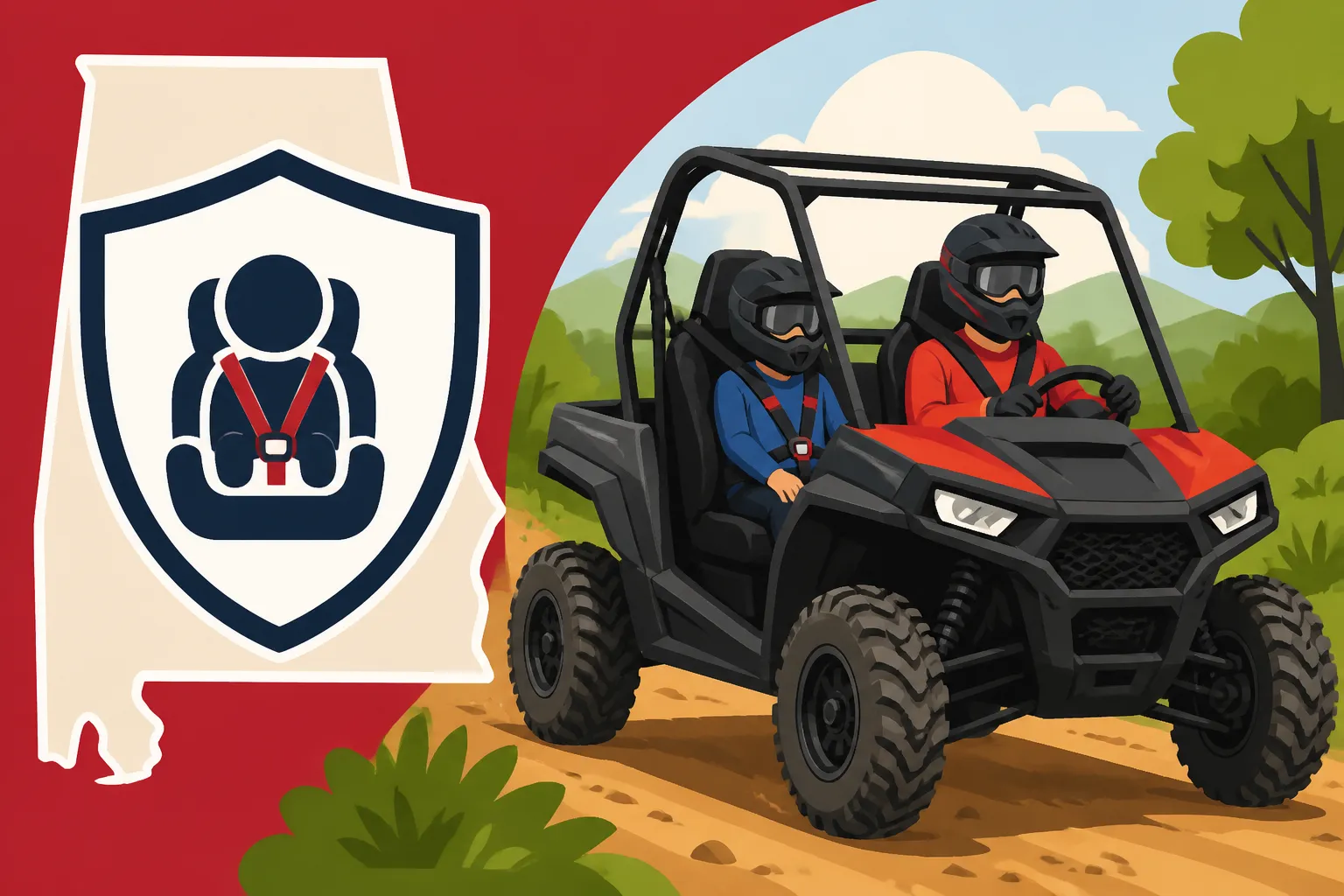
- Proper Seatbelt Fit: Ensure the seatbelt fits snugly across their chest and hips. For smaller children in UTVs, you might need a booster seat designed for vehicles, or an aftermarket harness system (check compatibility with your UTV and local regulations). SuperATV, for example, offers various seating and harness options that can enhance passenger security, but always ensure they are correctly installed and appropriate for your child's size and the specific machine.
- Accessible Handholds: Verify that your child can comfortably reach and securely grip the available handholds. If they have to stretch or strain, they won't be able to hold on effectively, especially over bumps. Consider adding aftermarket grab handles if the factory ones are out of reach or not robust enough for a child's grip.
- Foot Placement: Ensure their feet are securely on the floorboards and cannot accidentally slip off or dangle. Dangling feet are highly susceptible to injury.
- No Loose Items: Make sure there are no loose items around them that could become projectiles or distractions during the ride. This includes toys, snacks, or even loose articles of clothing.
A child who feels physically secure will also feel more confident and enjoy the experience more. This is particularly important if you plan on extended riding, such as [Alabama Riding After Dark] where visibility might be reduced.
Knowing When to Say No to a Passenger
Finally, and perhaps most importantly, sometimes the safest decision is to simply say "no" to a child passenger. This can be tough, especially when eager eyes are looking up at you, but your parental instinct for safety must override the desire to please.
- Machine Limits: If your machine is a single-rider ATV, the answer is always no. If your UTV is at its passenger capacity with adults, do not try to squeeze in an extra child.
- Child's Readiness: If your child is too small, too young, too restless, or genuinely scared, it's not the right time. Pushing them into a situation they're uncomfortable with can lead to a traumatic experience or, worse, an accident.
- Riding Conditions: If the weather is bad (heavy rain, high winds), the terrain is exceptionally challenging (steep climbs, deep mud, rocky trails), or visibility is poor, it's not the time to have a child passenger. Save those challenging rides for when you're alone.
- Your Own Condition: If you're tired, distracted, or not feeling 100%, your judgment and reaction times could be impaired. Operating a powerful off-road machine is already demanding; doing so with a child passenger requires your absolute best focus.
Remember, the goal is to create positive, safe memories. There will be other days and other rides. Prioritizing your child's safety and well-being is always the most responsible choice, even if it means temporary disappointment. Making these sound choices aligns with general principles for carrying any passengers, as covered in [Alabama Rules for Passengers on a Quad].
Disclaimer
This article is for general informational purposes only and does not constitute professional advice. Laws, prices and regulations vary by location and change over time. Consult a qualified professional for guidance on your specific situation.