Insurance After an Off-Road Collision in Alabama
When you're out enjoying Alabama's incredible trails, whether it's at Stony Lonesome OHV Park or a favorite spot in the Bankhead National Forest, an off-road collision is probably the last thing on your mind. But let's be realistic: accidents happen, and when they do, navigating the aftermath, especially with insurance, can feel like trudging through thick Alabama mud after a heavy rain. This guide is here to walk you through what to expect when you need to file an insurance claim after an off-road collision in Alabama, helping you understand your policy and the steps to take when things go sideways.
Understanding Your ATV and UTV Insurance Policy in Alabama
Many folks in Alabama might not realize the nuances of their ATV or UTV insurance until they absolutely need it. Unlike cars on public roads, [Does Alabama Require Insurance on an ATV?] often comes down to where you're riding and if you have a loan. But even if it's not legally mandated for your private property rides, having the right coverage can be a lifesaver when an unexpected collision occurs. It’s not just about protecting your machine, which let's face it, represents a significant investment; it's also about protecting yourself and others.
Most standard ATV/UTV policies in Alabama offer a range of coverage types, similar to what you'd find for a car, but tailored to off-road risks. You've got your liability coverage, which kicks in if you're at fault for an accident that damages someone else's property or injures them. Imagine you misjudge a turn on a trail and collide with another rider's UTV, bending their frame or breaking an axle. Your liability would help cover those repair costs or medical bills for their injuries. Then there's collision coverage, which is usually optional but incredibly valuable. This pays for damages to your machine if you hit another vehicle, an object, or even roll your machine over. If you've invested in upgrading your machine with SuperATV aftermarket parts, like heavy-duty control arms or a new lift kit, collision coverage becomes even more critical to protect those enhancements.
Beyond liability and collision, many riders opt for comprehensive coverage. [Alabama Comprehensive Coverage for a Quad] is designed to cover damages to your ATV or UTV that aren't collision-related. Think about a tree falling on your machine while it's parked at a campsite, vandalism, fire, or even theft. While these aren't "collisions" in the traditional sense, they can still total your beloved ride. Some policies also offer uninsured/underinsured motorist coverage, which is a smart move if another rider causes an accident but doesn't have enough (or any) insurance to cover your damages. Medical payments coverage, roadside assistance, and even coverage for custom parts and accessories are also options you might find. It's really worth pulling out your policy document and reviewing it carefully before you ever need it, so you know exactly what kind of financial safety net you have. For machines that aren't titled in Alabama, understanding [Alabama Insurance for an Untitled Machine] is another layer to consider, as it might affect how claims are processed or the types of coverage available.
What to Do Immediately After an Off-Road Collision
When an off-road collision happens, especially in a remote area, the immediate steps you take can significantly impact your insurance claim. It's easy to panic, but a clear head and a methodical approach are your best allies. First and foremost, check for injuries. Your safety and the safety of anyone else involved, including any passengers or [Alabama Rules for a Child Passenger], is paramount. If someone is hurt, call 911 immediately. Even if you're deep in the woods, emergency services can often coordinate with local search and rescue or game wardens to locate you.
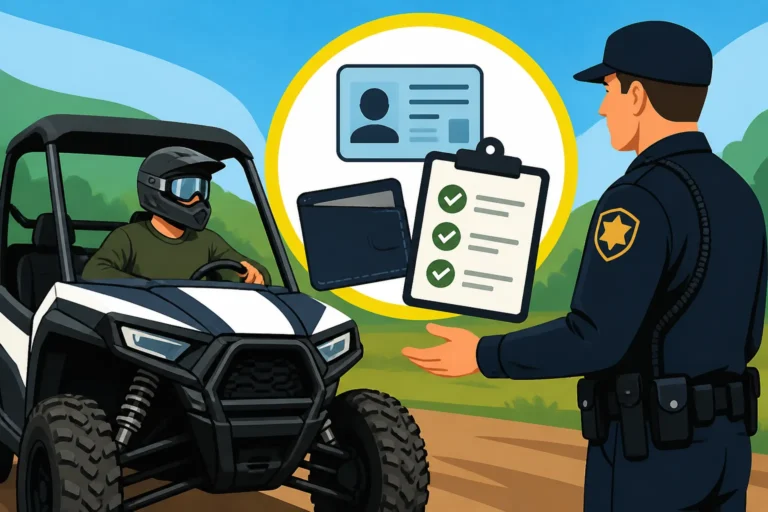
Once immediate safety is addressed, secure the scene as best you can. This might mean turning off engines, setting out reflective triangles if you have them, or simply ensuring no further harm can come from the machines or debris. Document everything. I mean everything. Use your phone to take pictures and videos from multiple angles – close-ups of damage, wide shots showing the environment, skid marks, trail conditions, and anything that might have contributed to the accident. Get contact and insurance information from any other parties involved. This includes names, phone numbers, addresses, license plate numbers (if applicable), and insurance policy details. If there were any witnesses, gather their contact information too. Don't forget to report the incident to any park rangers or land managers if you're on public or private managed land. Some collisions, especially those involving serious injury or significant property damage, may require an [Alabama Accident Reporting for an ATV Crash] to local law enforcement or game wardens, even if it occurred off-road.
It's natural to want to talk about what happened, but be careful what you say at the scene. Avoid admitting fault, even if you think you might be to blame. Stick to the facts. Exchange information, take photos, and ensure everyone is safe. Let your insurance company determine fault based on the evidence. Keep a small notebook and pen with your riding gear to jot down details like the time of the accident, specific location (GPS coordinates are fantastic here), and any observations about the other rider's behavior, especially if [Alabama DUI Law and Off-Road Machines] might be a factor. Even if it's just a bent bumper on your SuperATV equipped UTV, these details help create a clear picture for your claim.
Filing an Insurance Claim in Alabama
Once you've handled the immediate aftermath, the next crucial step is to notify your insurance company. Do this as soon as possible, ideally within 24-48 hours of the collision. Most insurance companies have a dedicated claims line or an online portal for reporting accidents. When you call, have all the information you gathered at the scene ready: dates, times, location, details of what happened, contact information for other parties, and photos. The insurance adjuster will likely open a claim file and assign it to an investigator. They'll guide you through the process, which usually involves getting estimates for repairs or assessing the total loss of your machine.
The adjuster will want to know the full story, so be prepared to provide a detailed account. They may ask for photos, witness statements, and possibly a police report if one was filed. If your machine is damaged, you'll need to arrange for an inspection. For minor damage, they might ask you to take it to an approved repair shop. For more extensive damage, they might send an adjuster to where the machine is stored, or arrange for it to be towed to a facility. If you're dealing with substantial damage that might lead to a total loss, the adjuster will compare the repair costs to the actual cash value (ACV) of your machine, considering depreciation, before the accident. This is where having good records of your machine's condition and any aftermarket additions, like those from SuperATV, can be beneficial. It helps establish its value.
Dealing with claims can sometimes feel like a slow churn, but persistence and clear communication are key. Don't hesitate to follow up with your adjuster if you haven't heard back within a reasonable timeframe. Keep meticulous records of all communications, including dates, names of people you spoke with, and summaries of conversations. If the collision involved another party, their insurance company will also be involved, which can sometimes complicate things further, especially when it comes to determining fault. Be prepared for potential back-and-forth, and if you feel overwhelmed, remember you can always seek legal advice to understand your rights and options. Understanding the nuances of your coverage, such as [Alabama ATV Insurance Costs] and how they might fluctuate after a claim, can also help you prepare for future decisions.
Common Scenarios and How Insurance Responds
Off-road collisions come in many forms, and your insurance response will vary depending on the specifics of the incident. Let's look at a few common scenarios you might encounter in Alabama.
Single-Vehicle Collisions
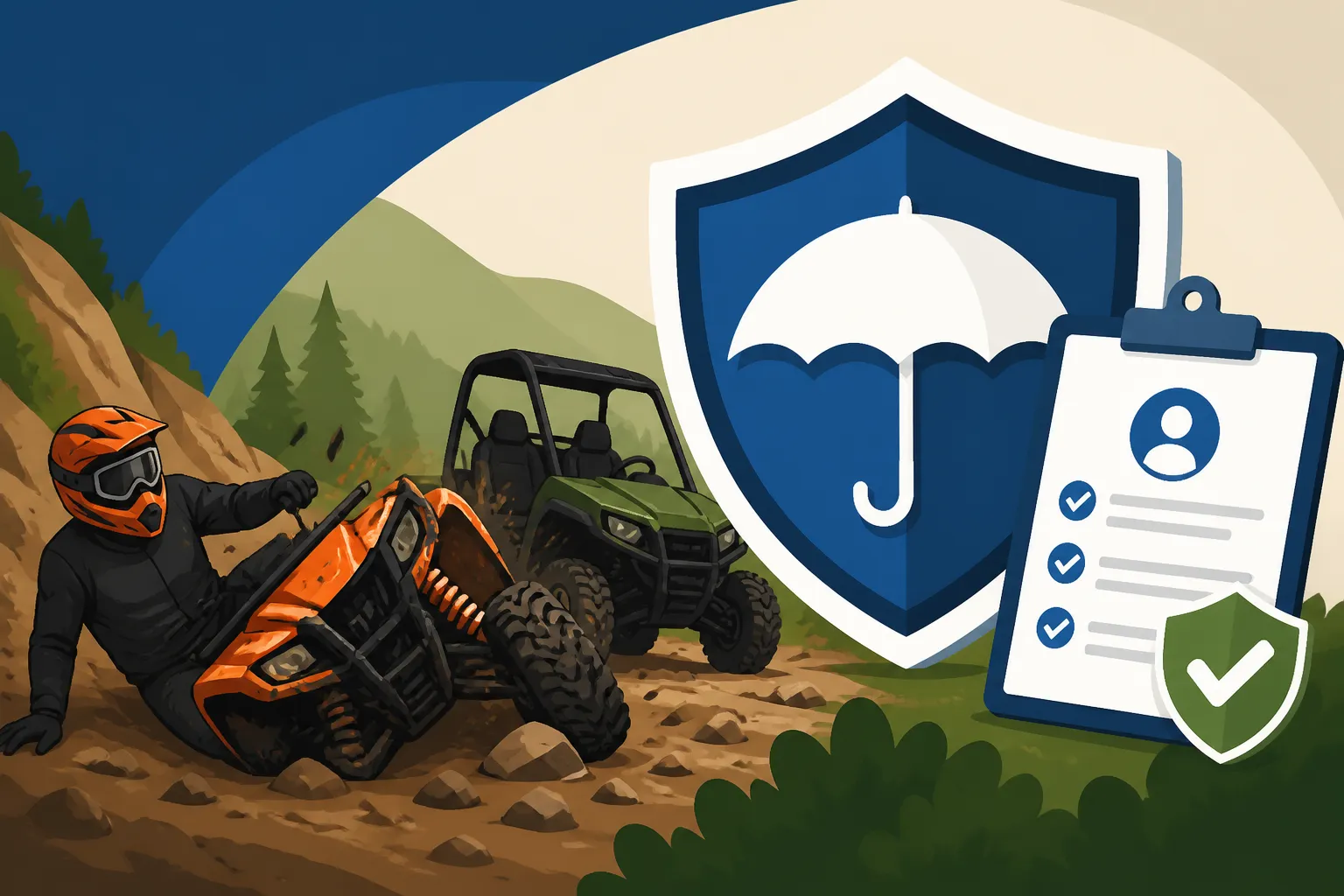
This is perhaps the most common type of off-road accident. You hit a tree, misjudge a jump and land awkwardly, or slide off a muddy bank into a ditch. In these situations, your collision coverage is what you'll rely on. If you have it, it will pay for the repairs to your ATV or UTV, minus your deductible. If you don't have collision coverage, unfortunately, you'll be footing the bill for the repairs yourself. This is why many experienced riders weigh the cost of collision coverage against the potential out-of-pocket expenses for even a minor mishap. If your machine is equipped with heavy-duty rock sliders or a winch bumper from SuperATV, collision coverage protects those investments.
Multi-Vehicle Off-Road Collisions
Picture this: you're riding a popular trail and another rider comes around a blind corner too fast, or perhaps you collide with another UTV while navigating a crowded staging area at an OHV park. This scenario involves both liability and collision. If you are found at fault, your liability coverage would kick in to cover the damages to the other party's machine and any medical expenses they incur. Your own collision coverage would then pay for the damages to your machine. If the other rider is at fault, their liability insurance should cover your damages. This is where having comprehensive details from the scene, including photos and witness statements, becomes incredibly important for your adjuster to determine who was responsible. Navigating these types of claims can be tricky, especially if fault is disputed, and sometimes it can escalate to discussions about things like [Alabama Penalties for Illegal Road Riding] if the incident happened on an area that blurs the lines between designated trail and public road.
Property Damage and Injury to Others
What if you're riding on private land, perhaps a hunting club lease, and you accidentally run into a fence line or damage a gate that doesn't belong to you? Or maybe you have a passenger, perhaps even your dog (check [Alabama Rules for Riding With a Dog] for safety tips!), who gets injured due to your riding error. Your liability coverage is designed for these situations. It will help cover the costs to repair the damaged property and any medical bills for injured passengers or third parties, up to your policy limits. Without adequate liability coverage, you could be personally responsible for these costs, which can quickly add up to tens of thousands of dollars. It's a sobering thought, but one that highlights the true value of a robust insurance policy beyond just protecting your machine. This is particularly relevant if you're exploring [Alabama Dealer vs Marketplace Pricing] for a new machine after an unfortunate incident.
| Coverage Type | What it Covers (Generally) | Why it's Important for Off-Road Collisions |
|---|---|---|
| Liability | Damages/injuries you cause to others or their property. | Protects your assets if you're at fault in an accident involving another party. |
| Collision | Damages to your machine from hitting another object/vehicle. | Covers repair or replacement of your ATV/UTV after an impact or rollover. |
| Comprehensive | Non-collision damages (theft, fire, vandalism, natural disaster). | Essential for protecting your investment from incidents beyond your control. |
| Uninsured/Underinsured Motorist | Damages/injuries you sustain if an at-fault party lacks sufficient insurance. | Provides a safety net when the other rider isn't adequately insured. |
| Medical Payments | Medical expenses for you and your passengers, regardless of fault. | Covers immediate medical costs after an accident, reducing out-of-pocket. |
| Custom Parts/Accessories | Damage to aftermarket parts (e.g., SuperATV upgrades). | Ensures your investment in modifications is also protected. |
In any scenario, the key is to stay calm, document everything, and communicate clearly with your insurance provider. They are there to help you navigate these often-stressful situations and get you back on the trails safely.
Disclaimer
This article is for general informational purposes only and does not constitute professional advice. Laws, prices and regulations vary by location and change over time. Consult a qualified professional for guidance on your specific situation.