Alabama Riding a Right-of-Way
It's a common scenario for ATV and UTV enthusiasts across Alabama: you're out riding, or maybe just scouting for new trails, and you see that enticing strip of land beside a county road, or a clear-cut path under power lines, or an old, seemingly abandoned rail bed. The thought often sparks, "Can I ride my quad here? Is this considered public access, or do I need special permission?" This guide is here to untangle the complexities of riding your off-road machine on various types of rights-of-way in Alabama, helping you understand the rules and avoid unintended trouble.
Understanding What a Right-of-Way Really Means in Alabama
Before we dive into the specifics of riding, let's nail down what "right-of-way" actually means in Alabama, because it's a term that gets thrown around a lot and often misunderstood. At its heart, a right-of-way is a legal right of passage over another person's or entity's land for a specific purpose. It's not necessarily about who owns the land, but rather who has the right to use a certain strip of it. This distinction is absolutely crucial for ATV and UTV riders, because even if a utility company has a right-of-way to maintain power lines, that doesn't automatically grant you a right to ride your machine there.
The frustration often stems from seeing these open, clear paths that seem perfect for riding, but they come with strings attached. Imagine you own a piece of property, and the power company needs to run lines across it. They acquire an easement or a right-of-way. They can come onto that strip of land to build and maintain their lines, but you still own the land itself. You can't build a permanent structure there, and often you can't plant tall trees that would interfere with the lines. However, that doesn't mean your neighbor, or any random person, can just decide to ride their ATV down that same strip.
Alabama law is pretty specific about where ATVs and UTVs can and cannot operate, especially when it comes to public roads and thoroughfares. Most rights-of-way associated with public roads fall under the same restrictions as the roads themselves. The intent of a right-of-way is almost always functional – for utilities, transportation, or access – not for recreational off-road vehicle use unless explicitly designated. This is a key point often overlooked by riders eager to find new terrain.
Public Road Shoulders and Medians
When you think of a right-of-way, the first thing that often comes to mind are the shoulders and medians alongside public roads, highways, and even county roads. It’s easy to look at a wide, grassy shoulder or a cleared median strip and think it's fair game for a quick spin. After all, it's not the paved road itself, right? Unfortunately, in Alabama, this thinking can quickly lead to trouble.
The right-of-way for a public road typically extends beyond the paved surface. This often includes the shoulder, the ditch, and even a certain distance into the adjacent land, depending on how the right-of-way was established. These areas are legally considered part of the highway right-of-way and are subject to the same rules and regulations that govern the main road. The intent here is for safe passage of highway traffic, maintenance access, and drainage, not for recreational off-road vehicle use. Trying to use these areas as trails can be dangerous, as you're in close proximity to moving vehicles, and it's also illegal. Law enforcement views these areas as part of the public roadway, and riding an ATV or UTV there can result in citations for illegal road riding, trespass, or other violations. Remember, [Are ATVs Street Legal in Alabama?] is a question with a very narrow "yes" in extremely specific circumstances, none of which typically involve cruising down a highway shoulder.
Utility Easements and Corridors
Another common type of right-of-way that catches the eye of ATV riders are utility easements. These are those cleared paths that crisscross the landscape, often under power lines, over gas pipelines, or for water and sewer lines. They're kept clear for access, maintenance, and safety, and they can look incredibly inviting for a ride. Many riders mistakenly assume that because these areas aren't actively being farmed or developed, they're open to the public for riding. This is a significant misunderstanding that can lead to serious legal issues.
Utility easements are private property rights granted to utility companies, allowing them to use a specific strip of land for their infrastructure. The landowner still owns the underlying land, and the utility company only has the right to access and maintain their equipment. Crucially, this easement does not grant public access for recreational purposes. Riding on these easements without explicit permission from both the landowner and the utility company is considered trespass. While some utility companies might turn a blind eye in very remote areas, others actively patrol and prosecute trespassers. There are also safety concerns; underground pipelines and overhead power lines pose risks that off-road riders might not perceive. Always err on the side of caution and seek permission. For example, some large private landowners who allow riding might permit access across utility easements on their property, but that's a specific, granted permission, not a general right.
Legal Ramifications of Riding an ATV or UTV on a Right-of-Way Without Permission
It's tempting to think that "no one will know" or "it's just a quick ride," but the legal consequences of riding your ATV or UTV on a right-of-way without proper authorization in Alabama can be pretty steep. We're not just talking about a slap on the wrist; depending on the situation and who owns the right-of-way, you could face fines, property damage claims, or even have your machine impounded. It's a risk that most riders would agree just isn't worth taking when there are so many legal places to ride in our beautiful state.
The core issue is often trespass. Even if the land appears unmaintained or abandoned, someone still owns it or holds the right to control access. Ignorance of who owns or controls the right-of-way is generally not a valid defense in the eyes of the law. Property rights are taken seriously in Alabama, and that includes the specific rights granted through easements and rights-of-way.
Trespass Charges and Fines
The most immediate and common legal ramification of riding on a right-of-way without permission is a trespass charge. In Alabama, trespass can be a civil matter (where the landowner sues you for damages) or a criminal one (where law enforcement gets involved). Riding an ATV or UTV on someone else's property, including a right-of-way they control or for which they own the underlying land, without permission constitutes trespass. The penalties can vary depending on whether it's a first offense, if any damage was caused, or if the property was clearly marked with "No Trespassing" signs or [Posted Land and Purple Paint in Alabama].
Fines for trespass can range significantly. Beyond the initial fine, you might also face court costs and potentially be liable for any damage your machine caused to the property, such as tearing up a field or damaging vegetation. If you're riding a utility right-of-way and accidentally damage buried cables or pipeline markers, the costs could skyrocket. Law enforcement officers, especially in rural areas, are often familiar with local property lines and the common trespass hot spots. They won't hesitate to issue a citation if they catch you riding where you shouldn't be. Plus, having a trespass charge on your record is certainly not ideal.
Impoundment of Your Machine
Perhaps one of the most feared consequences for any off-road rider is the impoundment of their cherished ATV or UTV. If you're caught riding illegally on a right-of-way, especially if it's considered a repeat offense or if you're causing significant damage or disturbance, law enforcement has the authority to impound your machine. This isn't just an inconvenience; it can be an expensive ordeal.
To get your machine back, you'll likely have to pay impoundment fees, storage fees that accrue daily, and potentially any fines or bond amounts associated with your citation. These costs can quickly add up, easily surpassing the initial fine for trespass. It's a huge headache and a significant financial drain that can put a serious damper on your riding season. The process of retrieving an impounded vehicle can be frustrating and time-consuming, involving trips to the impound lot, the courthouse, and payment of various fees. It's a stark reminder that riding without permission isn't just a minor infraction; it can have serious repercussions on your wallet and your access to your machine.
When Riding a Right-of-Way Might Be Permitted (And How to Ensure It)
So, with all these warnings about what you can't do, you might be wondering if there's any scenario where riding an ATV or UTV on a right-of-way in Alabama is actually okay. The short answer is yes, but it always boils down to one critical factor: permission. It's never about assuming; it's always about knowing and having explicit authorization.
This is where the diligent rider separates themselves from someone just looking for a thrill. Responsible riding means respecting property rights and the law. If you're keen on exploring a specific right-of-way, your homework starts with identifying who owns the land or controls the easement and then initiating contact. Remember, "public access" usually means access for the intended purpose of the right-of-way, not for general recreation.
Private Property and Express Permission
The most straightforward way to legally ride on a right-of-way is if it crosses private property where you have the landowner's express permission. This often happens on large tracts of land, such as farms, timberlands, or hunting leases. In these cases, the landowner might grant you permission to ride across their property, and that permission would naturally extend to any utility easements or other private rights-of-way that traverse their land. For instance, if you have a hunting lease for a large timber tract, the lease agreement might specifically state that ATV use is permitted on existing trails, which could include utility corridors.
It's absolutely vital that this permission is clear and ideally, in writing. Verbal permission can be hard to prove, especially if a different landowner or a law enforcement officer questions your presence. A simple written permission form, signed by the landowner, can save a lot of headaches. This document should clearly state the dates you're allowed to ride, the specific areas you can access, and what machines you're using. Remember that [Alabama Landowner Permission Forms] are a great way to formalize this. Even with landowner permission, you still need to be mindful of the specific terms of any utility easements. While the landowner can give you permission to be on their land, they can't necessarily override the utility company's rules if those rules prohibit recreational vehicle use on their easement. Good practice suggests understanding both the landowner's and the utility's stance.
Designated Trails and Specific Public Uses
Occasionally, certain rights-of-way, particularly those that are part of old rail beds or flood control levees, might be converted into designated multi-use trails or publicly accessible pathways. When this happens, the controlling authority (such as a county park system, a state agency, or a local land trust) will explicitly mark these areas and establish rules for their use. These are the rare exceptions where a right-of-way is open for recreational riding, but it's always within a clearly defined framework.
For example, a former rail line might be decommissioned and then acquired by a local government to be developed into a rail-trail system. Some of these trails might be open to ATVs and UTVs, while others might be restricted to non-motorized use like bicycles and hiking. It's absolutely critical to check with the specific land manager or local authority to understand the rules. Don't just assume an old rail bed is fair game; many are now nature preserves or private property. Similarly, certain large-scale public land projects, like those managed by the Army Corps of Engineers, might have designated OHV areas that incorporate existing rights-of-way, but these areas will be clearly mapped and marked. Always look for official signage and consult maps from the managing agency, like those from [Alabama ATV Trails: Where to Ride].
Types of Rights-of-Way and Their Specific Considerations for Riders
Alabama's landscape is crisscrossed by various types of rights-of-way, each with its own specific purpose and, therefore, different implications for ATV and UTV riders. Understanding these distinctions is key to staying on the right side of the law and respecting property rights. It's easy to lump all cleared paths together, but doing so could lead you into hot water.
We're going to break down some of the most common types of rights-of-way you'll encounter and discuss the specific challenges and rules that apply to them. From power lines stretching across the horizon to the often-hidden paths of pipelines, knowing the nuances can save you a lot of hassle.
Power Line Cuts and Easements
Power line cuts are perhaps the most visually striking and tempting type of right-of-way for off-road riders. These wide, cleared swaths cut through forests and fields, providing access for maintenance crews and ensuring safe distances from high-voltage lines. They often seem like ready-made trails, offering long, straight stretches perfect for a brisk ride. However, as we discussed, these are almost universally private easements granted to electric companies.
Riding on power line cuts without permission from the underlying landowner and, ideally, the power company itself, is considered trespass. Power companies have a vested interest in maintaining safety and preventing damage to their infrastructure. They are very sensitive to unauthorized vehicle traffic, which can compact soil, damage access roads, or even interfere with their equipment. It's not uncommon for these areas to be patrolled by utility company personnel or even security contractors. Furthermore, the terrain on power line cuts can be deceiving. While some might be relatively smooth, others can be rocky, steep, or feature hidden obstacles like culverts and erosion gullies. For riders seeking to navigate such varying terrain with permission, aftermarket accessories like those from SuperATV can provide enhanced ground clearance or protection, but it's crucial to remember that these modifications don't grant you legal access to unauthorized areas. Always ensure you have the necessary permissions before venturing onto these lands.
Pipeline Rights-of-Way
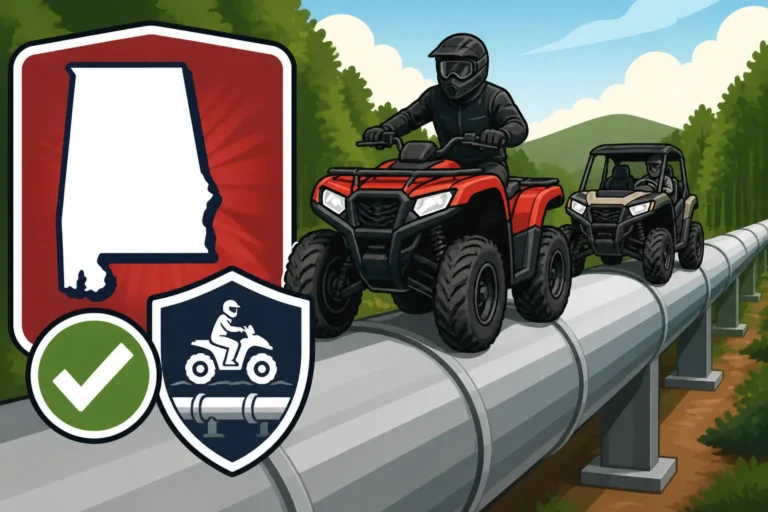
Less visible than power line cuts, but equally prevalent, are pipeline rights-of-way. These are typically narrower strips of land, usually marked by small yellow signs indicating the presence of an underground natural gas, oil, or water pipeline. These signs also often include emergency contact information and a warning not to dig or disturb the area. Because the pipeline itself is buried, riders might assume there's no harm in riding on the surface. This assumption is dangerous and incorrect.
Pipeline rights-of-way are critical infrastructure zones. Unauthorized vehicle traffic can cause soil compaction, erosion, or even lead to damage to the pipeline or its cathodic protection system, which prevents corrosion. Disrupting these systems can have severe environmental and safety consequences. Pipeline companies rigorously protect these easements and view trespass very seriously. They often have dedicated security measures and will report unauthorized activity to local law enforcement. Just like with power lines, the underlying land is usually privately owned, and the pipeline company holds an easement. Therefore, you need permission from both the landowner and the pipeline company. The stakes are incredibly high here, and the potential for a catastrophic accident due to interference with a pipeline makes these areas particularly risky for unauthorized riding.
Old Railroad Beds and Tracks
Old railroad beds, especially those where the tracks have been removed, can be very alluring. They offer naturally graded, relatively flat, and often scenic routes that snake through rural areas. It's easy to assume that if the trains aren't running, the land is abandoned and free for public use. This is rarely the case. When a railroad company abandons a line, the ownership of the right-of-way typically reverts to the adjacent landowners or is acquired by another entity, such as a local government or a land trust.
Unless an old rail bed has been officially converted into a designated public trail for ATVs and UTVs (which will be clearly marked and managed), riding on it is almost certainly trespass. Many old rail beds are now private property, part of a farm, or a conservation area. Even if they haven't been actively maintained, they are still owned and controlled. Local ordinances might specifically prohibit motorized vehicles on such paths, or they might be incorporated into a county's [Alabama Public Use Designated Areas] for non-motorized recreation. Always verify the current status and ownership before even considering riding on an old railroad right-of-way. Just seeing a clear path is not an invitation.
Levees and Flood Control Rights-of-Way
In certain areas of Alabama, particularly along rivers and in flood-prone regions, you'll encounter levees and flood control rights-of-way. These earthen structures and their associated cleared zones are vital for protecting communities and farmland from flooding. They are usually managed by a local levee board, a county, or a state agency like the Alabama Department of Environmental Management, or even the Army Corps of Engineers.
Riding ATVs and UTVs on levees is generally prohibited unless it's for official maintenance purposes or specifically designated recreational use. Off-road vehicles can cause erosion, compact the soil in ways that compromise the levee's integrity, or damage access roads essential for emergency response. The entities responsible for maintaining these structures take their role very seriously, and unauthorized riding is viewed as a threat to public safety and infrastructure. Furthermore, some of these areas might be incorporated into [Alabama WMA Riding Rules] if they're within Wildlife Management Areas, or they might have specific local rules. Always assume these are off-limits unless you have explicit, written permission from the managing authority.
Navigating Local Ordinances and Seeking Official Information
The complexity of riding on rights-of-way in Alabama is further compounded by the patchwork of local ordinances that can vary significantly from one county or municipality to another. What might be tolerated (though still technically illegal) in one rural county could result in an immediate citation in a more densely populated area or a town with specific rules. You simply cannot rely on anecdotal evidence or what you see other riders doing. Responsible riding means doing your homework.
This often means picking up the phone or visiting local government websites. While it might seem like a hassle, a few minutes of research can save you hours of legal trouble and hundreds of dollars in fines or impoundment fees. Remember, asking for forgiveness after the fact is much harder and more expensive than seeking permission beforehand.
Researching County and City Ordinances
Before you even think about riding on a perceived right-of-way, especially one near a town or within a county that might have a more active sheriff's department, you absolutely need to check for local ordinances. Alabama counties and municipalities have the authority to enact their own rules regarding the operation of ATVs and UTVs within their jurisdiction. These local rules can add layers of restriction beyond state law, particularly concerning public property, noise, and road crossings.
A good starting point is the county commission office or the city clerk's office. Many local governments now publish their ordinances online, making it easier to search for regulations pertaining to "off-road vehicles," "ATVs," "UTVs," or "recreational vehicles." Look for sections on vehicle operation, noise restrictions, and trespassing. Pay close attention to any mention of designated public areas or prohibitions on specific types of property. For instance, a small town might have a very specific ordinance against riding ATVs on any public right-of-way, even if it's not a paved street. Ignoring these local rules is a sure way to earn a citation. You might also find relevant information by researching topics such as [Alabama City Ordinance Lookups].
Contacting Landowners and Utility Companies
As we've stressed, explicit permission is your best and often only legal path to riding on many types of rights-of-way. This means directly contacting the landowner and, if applicable, the utility company that holds the easement. This might seem daunting, but a polite inquiry can often yield positive results, or at least a clear "no" that prevents you from making a mistake.
For private landowners, finding contact information might involve checking county tax records for property owner details. For utility companies, their websites usually have public relations or land management departments that handle easement inquiries. Be prepared to explain exactly where you want to ride, what kind of machine you have, and why you believe it would not interfere with their operations or damage the property. Frame your request respectfully and demonstrate that you're a responsible rider. While many will decline, some might be open to the idea, especially if you offer to help with light maintenance or keep the area clean. Always get any permission in writing, clearly outlining the terms of your access. This protects both you and the property owner.
Table: Common Rights-of-Way and Their Riding Status in Alabama
To help summarize, here's a quick reference table detailing common types of rights-of-way you might encounter in Alabama and their typical status for ATV/UTV riding. Remember, this is general information, and always verify local rules and seek specific permission.
| Type of Right-of-Way | Typical Ownership/Control | Common Use | ATV/UTV Riding Status (General) | Key Consideration |
|---|---|---|---|---|
| Public Road Shoulder/Median | State/County/City (DOT, Highway Dept.) | Vehicle runoff, maintenance, drainage | Generally Prohibited (Illegal Road Use) | Considered part of the public roadway; safety hazard. |
| Power Line Easement | Utility Company (easement holder) | Utility line access, maintenance | Prohibited without Permission (Trespass) | Private easement; landowner + utility permission needed. |
| Pipeline Right-of-Way | Pipeline Company (easement holder) | Pipeline access, maintenance | Prohibited without Permission (Trespass) | High safety risk; landowner + pipeline company permission. |
| Old Railroad Bed | Private Landowner or Public Entity | Reverted land, sometimes converted to trail | Prohibited without Permission/Designation | Often private property; check for designated trails. |
| Levee/Flood Control | Local/State Agency, Army Corps | Flood protection, water management | Generally Prohibited (Damage Risk) | Critical infrastructure; requires specific agency approval. |
| Farm/Logging Road (on private land) | Private Landowner | Agricultural access, timber hauling | Permitted with Landowner Permission | Explicit permission from landowner is essential. |
| Public Trails (designated) | State/County Park, Forest Service | Recreation (hiking, biking, OHV) | Permitted if Designated for OHVs | Only ride on trails clearly marked for OHV use. |
Respecting Property and Avoiding Conflicts
Ultimately, riding an ATV or UTV on a right-of-way in Alabama boils down to respect—respect for property owners, respect for the law, and respect for the environment. It's a fundamental principle that ensures the longevity of our sport and maintains good relationships within communities. Trying to "get away with it" or ignoring clear boundaries not only puts you at risk but also contributes to negative perceptions of all off-road riders.
Alabama is a beautiful state with incredible opportunities for off-road adventure. Let's make sure we're exploring them responsibly and legally.
The Importance of Landowner Relations
Good relationships with landowners are the lifeblood of off-road riding in many parts of Alabama. When landowners feel their property is being respected, they are much more likely to consider granting access or supporting responsible riding initiatives. Conversely, a few instances of unauthorized riding, littering, or property damage can quickly lead to widespread "No Trespassing" signs and a blanket ban on all off-road vehicle activity in an area.
If you are fortunate enough to secure permission to ride on private land that includes rights-of-way, cherish that privilege. Always adhere to the terms of the agreement, whether it's avoiding certain fields, staying on marked trails, or respecting quiet hours. Clean up any trash, report any issues you notice (like a fallen fence or a washed-out culvert), and consider offering to help the landowner with small tasks. A simple thank you can go a long way. Building a reputation as a respectful and responsible rider not only benefits you but also helps the entire off-road community. Think about the impact your actions have on the broader riding community. [Alabama Trespass Law for Riders] exists for a reason, and we all benefit when it is respected.
Being a Responsible Steward of the Land
Beyond legalities and landowner relations, there's an ethical component to riding on any land, including rights-of-way. As off-road enthusiasts, we have a responsibility to be good stewards of the environment. This means minimizing our impact, preventing erosion, and protecting natural habitats. Many rights-of-way, particularly those traversing natural areas, are delicate ecosystems.
When you ride, stay on established trails (if you have permission), avoid creating new ruts, and never ride through sensitive areas like wetlands or stream beds unless on a designated crossing. Be mindful of noise, especially in areas where homes are nearby. Pack out everything you pack in, and perhaps even pick up any trash you find along the way. Your actions can help preserve these areas for future generations and contribute positively to the perception of off-road riding. Companies like SuperATV offer products designed for responsible riding, such as durable skid plates to protect your machine and the ground, or winches for self-recovery without tearing up the terrain, all of which contribute to being a better steward on the trails you are permitted to ride. Choosing the right tires for [Alabama Red Clay and What It Does] can also prevent excessive rutting.
Disclaimer
This article is for general informational purposes only and does not constitute professional advice. Laws, prices and regulations vary by location and change over time. Consult a qualified professional for guidance on your specific situation.