Alabama Rules for Riding a Pipeline
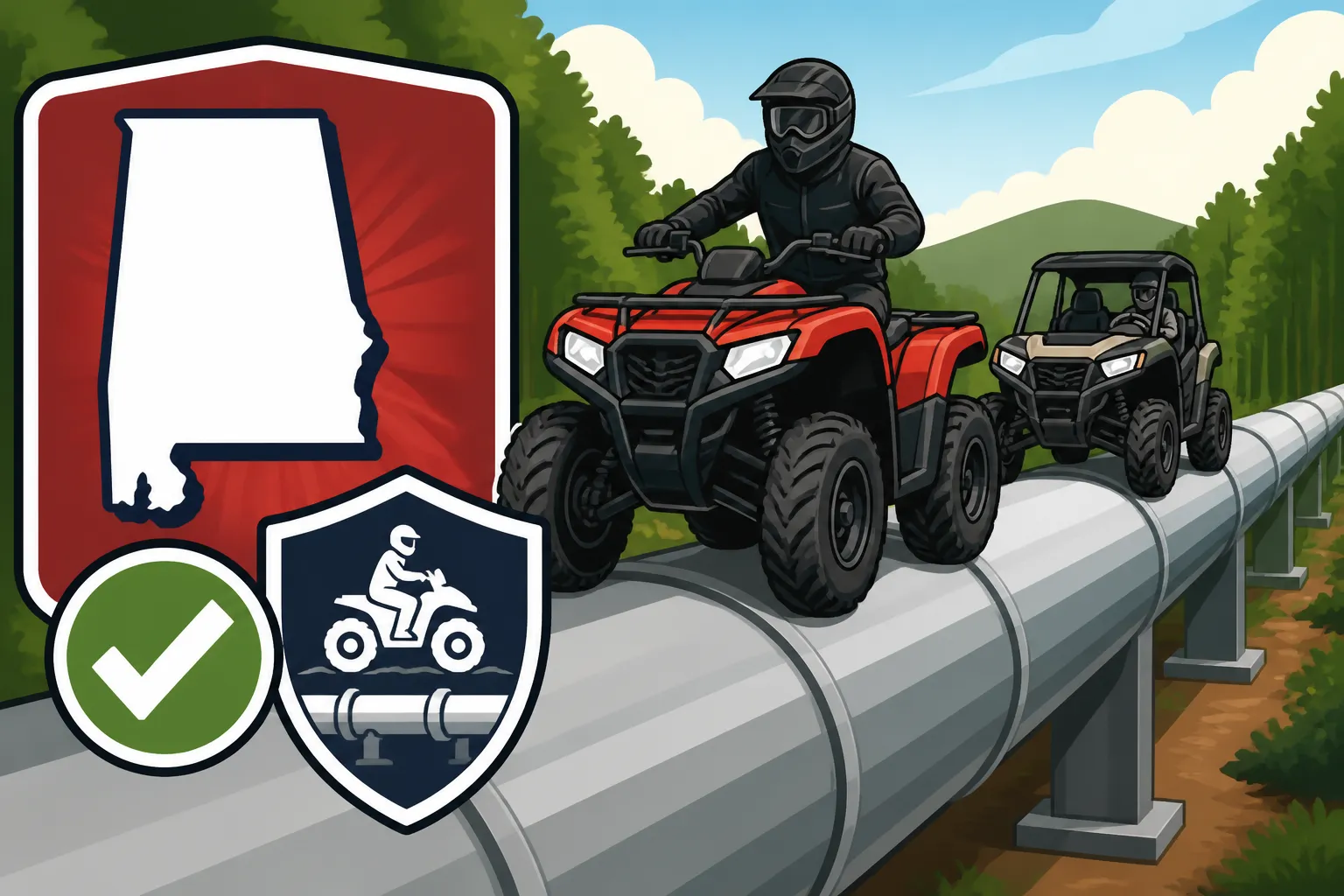
It's incredibly tempting when you're out riding in Alabama to see those wide-open, cleared stretches of land that seem to cut straight through the woods or across fields – the perfect shortcut, a ready-made trail, or a clear path to explore. These are often pipeline rights-of-way, and while they look like an open invitation for your ATV or UTV, the reality is far more complex and usually involves severe legal risks. This guide will delve into why riding on pipeline rights-of-way is generally illegal in Alabama and what you absolutely need to know before you ever consider turning your machine onto one of these tempting paths.
Understanding Pipeline Rights-of-Way in Alabama
Before we even talk about riding, it's crucial to understand what a pipeline right-of-way (ROW) actually is. Many riders see these cleared paths and assume they're public land or abandoned tracks, but that's almost never the case. This misunderstanding is where a lot of the trouble begins.
What Exactly Is a Pipeline Right-of-Way?
A pipeline right-of-way isn't public land in the traditional sense, like a state park or a public road. Instead, it's a specific legal agreement, usually an easement, that allows a pipeline company to use a strip of private land for the construction, operation, and maintenance of their pipelines. Think of it like a utility company needing access across your backyard to service power lines – they have the right to be there for a specific purpose, but you still own the land.
These easements typically require the landowner to keep the area clear of trees, buildings, and other obstructions that could interfere with the pipeline's operation or make it difficult for maintenance crews to access. This clearing is precisely what makes them look so appealing to ATV and UTV riders: long, relatively flat, and open paths. However, this appearance is deceptive, as the land itself remains private, and access is generally restricted to the pipeline company's personnel and the actual landowner, and only for specific, agreed-upon activities. It's not a free-for-all trail system.
Who Owns the Land (and Who Owns the Pipeline)?
This is a critical distinction that many people miss. The land within the pipeline right-of-way is still owned by the private individual or entity whose property the pipeline crosses. They might be a farmer, a timber company, a hunting club, or a private homeowner. They simply have an agreement with the pipeline company that grants the company specific rights to use that strip of their land.
The pipeline itself, and the infrastructure associated with it (like markers, vents, and sometimes small access roads or gates), is owned by the pipeline company. Neither the private landowner nor the pipeline company typically grants public access for recreational riding on these rights-of-way. From the landowner's perspective, unauthorized riders are trespassing on their private property. From the pipeline company's perspective, unauthorized activity poses a significant safety risk to their infrastructure, which transports critical resources and could be very dangerous if damaged. They also have serious liability concerns if someone gets hurt on their ROW. This dual ownership and restricted access mean that those inviting cleared paths are almost universally off-limits to recreational riders without explicit, written permission from both the landowner and potentially the pipeline operator.
Why Riding Pipelines Is Almost Always a Bad Idea
Given the legal framework and ownership complexities, it’s clear that riding on pipeline rights-of-way without proper authorization is fraught with peril. It’s not just a minor infraction; it carries significant legal, safety, and financial risks that can turn a fun day of riding into a nightmare.
The Legal Ramifications: Trespass
The most immediate and common consequence of riding on a pipeline right-of-way without permission is trespassing. In Alabama, [Alabama Trespass Law for Riders] is very clear: entering or remaining on someone else's property without permission is illegal. It's often classified as a misdemeanor, but the penalties can escalate depending on the circumstances, such as repeated offenses or if any damage is caused.
A sheriff's deputy or local law enforcement officer can issue citations, which can result in fines and court costs. More severely, your ATV or UTV could be impounded, leaving you with hefty fees to retrieve it, on top of any legal penalties. Imagine getting pulled over on what you thought was a neat shortcut, only to have your machine towed away and a court date staring you down. It's a frustrating and costly lesson that many riders learn the hard way. Landowners, weary of unauthorized traffic, are often quick to involve law enforcement to protect their property and prevent future incidents.
Safety Hazards and Environmental Risks
Beyond the legal headaches, pipeline rights-of-way present numerous safety hazards that aren't immediately obvious. These paths are maintained for industrial access, not recreational riding, and as such, they are not designed with rider safety in mind. You might encounter:
- Uneven Terrain and Hidden Obstacles: While cleared of large trees, these paths can have stumps, rocks, erosion ditches, washouts, and unexpected dips or rises. Heavy equipment used for pipeline maintenance can leave ruts and unstable ground.
- Pipeline Infrastructure: You could inadvertently hit or damage pipeline markers, vents, valves, or other critical infrastructure that might be buried or partially exposed. Tampering with or damaging these components is not only dangerous but can also lead to severe federal penalties, as they are part of a national energy infrastructure.
- Encounters with Industrial Equipment: Pipeline companies regularly send maintenance crews onto these rights-of-way. You could suddenly find yourself face-to-face with heavy machinery, vehicles, or workers who are not expecting recreational traffic and who are focused on their job, not on looking out for riders.
- Environmental Damage: Riding off designated trails can contribute to erosion, especially on Alabama's notoriously soft red clay. This erosion can destabilize the ground around the pipeline, create sedimentation in nearby waterways, and damage the ecosystem. If the pipeline company or landowner deems your riding activity caused significant environmental harm, you could be held financially responsible for remediation.
Liability and Insurance Concerns
Another critical aspect often overlooked is liability. If you're riding on private property without permission and you cause damage – whether to the land, the pipeline infrastructure, or even to yourself – you are almost certainly liable. Your personal liability insurance or even your ATV/UTV insurance policy likely won't cover incidents that occur during illegal activities like trespassing. [Does Alabama Require Insurance on an ATV?] It's important to remember that most off-road insurance policies have exclusions for illegal acts.
Consider this scenario: you're riding a cleared pipeline ROW, hit a hidden obstacle, crash your machine, and injure yourself. Not only are you dealing with potential medical bills, but your insurance company might deny your claim because you were trespassing. If you damage pipeline property, such as a marker or a vent, the pipeline company could pursue legal action against you for the cost of repairs, which could be thousands of dollars. They might even try to recover costs associated with potential service interruptions or environmental cleanup. It’s a huge financial risk to take for what seems like a convenient ride.
The ONLY Way to Legally Ride a Pipeline: Getting Permission
After understanding the risks, it's clear that the only way to potentially ride a pipeline right-of-way legally in Alabama is with explicit, written permission. However, this is far easier said than done.
Identifying the Pipeline Owner and Landowner
The first hurdle is figuring out who to ask. A pipeline right-of-way crosses multiple private properties, each owned by different individuals or entities, and the pipeline itself is owned by a separate company.
- Identify the Landowner: To identify the specific landowner, you would typically need to consult county property records, often available at the county tax assessor's office or probate office. These records, sometimes called plat maps, show property boundaries and ownership information. This can be a tedious process, especially for a long pipeline that crosses many parcels.
- Identify the Pipeline Company: Pipeline markers, which are usually yellow signs, are typically posted along the right-of-way. These markers indicate the presence of a pipeline, list the product being transported, and provide the name of the pipeline operator along with an emergency contact number. While this gives you the company's name, the emergency number is not for requesting recreational access. You'd need to find their corporate contact information and make a formal inquiry.
Without accurately identifying both the specific landowner for the section you want to ride and the pipeline company, you don't even know who to approach. It's a bureaucratic maze from the start.
The Unlikely Prospect of Securing Permission
Even if you manage to identify all the relevant parties, the chances of securing permission for recreational ATV or UTV riding on a pipeline right-of-way are extremely slim.
- Pipeline Companies: Most pipeline companies have strict policies against public access on their rights-of-way due to safety, security, and liability concerns. They are primarily focused on maintaining the integrity of their infrastructure and ensuring public safety surrounding hazardous materials. Granting recreational access would open them up to significant risks and potential legal headaches they simply aren't willing to take on. You might ask, "Can't I just sign a waiver?" While waivers can protect parties in some contexts, the inherent risks associated with pipeline operations and the regulatory environment make it highly improbable that a pipeline company would entertain such a request.
- Private Landowners: While a private landowner might be more amenable to granting permission on their own land, they are still bound by the terms of their easement agreement with the pipeline company. Many easement agreements prohibit activities that could interfere with the pipeline's operation or increase the pipeline company's liability. A landowner would also have to weigh their own liability risks if you were to get hurt on their property, even with permission. Often, the path is already being used by a hunting club or other group that might not want additional traffic. [Alabama Landowner Permission Forms] are essential, but getting them for a pipeline ROW is a tough sell.
In short, while technically possible to ask, the answer will almost certainly be a resounding "no" from the pipeline company, and often from the landowner as well.
What Written Permission Looks Like (If You Get It)
Let's imagine, for a moment, that you are one of the rare individuals who somehow secures permission. What would that look like? Any legitimate permission must be:
- In Writing: Verbal permission is not enough. You need a signed document from both the specific landowner and potentially the pipeline company (though, as mentioned, this is highly unlikely).
- Specific: The document should clearly state who is granted permission (your name, or your group's name), what specific activities are permitted (ATV/UTV riding), the exact dates or duration of the permission, and the precise section of the pipeline right-of-way that is accessible.
- Conditions: It would likely include numerous conditions, such as requirements for helmets and safety gear, limitations on speed, restrictions on where you can and cannot ride within the ROW, prohibitions against damaging property, and indemnification clauses (where you agree not to hold them responsible if you get hurt).
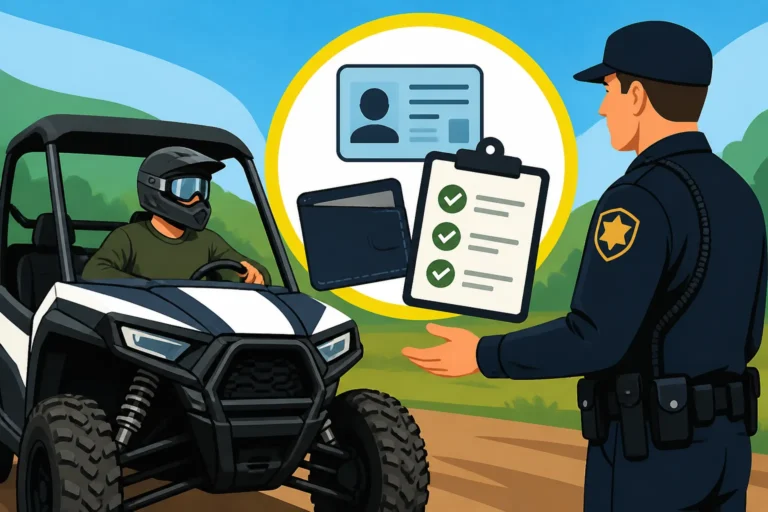
- Carried With You: If you ever got such a document, you would need to carry it with you at all times while riding on the pipeline, ready to present to any law enforcement officer or pipeline personnel who questions your presence.
Without such a detailed and signed document, you are effectively operating without permission and are subject to all the legal and safety risks discussed previously. This just highlights how impractical it is for most recreational riders to legally access these areas.
Exploring Legal and Safe Off-Road Alternatives in Alabama
Instead of navigating the legal minefield and potential dangers of pipeline rights-of-way, focus your energy on the fantastic legal and safe off-road riding opportunities Alabama has to offer. There are plenty of places where you can enjoy your ATV or UTV without worrying about trespass laws or industrial hazards.
Designated OHV Parks and Trails
Alabama is home to some incredible dedicated Off-Highway Vehicle (OHV) parks that are specifically designed for ATVs, UTVs, and other off-road machines. These parks offer miles of trails for all skill levels, from beginner-friendly paths to challenging mud pits and rock crawling sections.
- Stony Lonesome OHV Park: Located in Bremen, Alabama, [Stony Lonesome OHV Park in Alabama] boasts over 150 miles of trails across more than 1,400 acres. It's a county-run park that welcomes ATVs, UTVs, dirt bikes, Jeeps, and even rock crawlers. They have amenities like camping, bathhouses, and a very clear set of rules designed for rider safety.
- Minooka Park: Near Jemison, [Minooka Park Riding in Alabama] offers 420 acres with trails suitable for various OHVs. Like Stony Lonesome, it's a managed park with designated trails, making it a safe and legal option for families and serious riders alike.
These parks are a far cry from a random pipeline ROW. They provide:
- Clearly Marked and Maintained Trails: You know exactly where you can ride.
- Safety Measures: Staff are often on-site, and rules are enforced for everyone's safety.
- Amenities: Restrooms, camping, wash stations, and sometimes even repair shops are available.
- Peace of Mind: You can ride all day without fear of trespassing or damaging critical infrastructure.
For serious riders looking to equip their machines for these fantastic legal trails, companies like SuperATV offer a huge range of aftermarket parts, accessories, and upgrades. Whether you need a lift kit for navigating rocky sections, heavy-duty axles for mud, or winches and recovery gear in case you get stuck on a challenging climb, SuperATV has options to enhance your riding experience safely and legally within designated parks.
Private Property with Explicit Consent
If you prefer a more secluded riding experience, your own private property or land owned by friends or family is always a great option. This is perhaps the simplest and most straightforward way to ride legally in Alabama.
- Your Own Land: If you're fortunate enough to own land, you have the freedom to create your own trails and ride as you please, within local ordinances and state laws concerning noise or environmental impact.
- Friends' and Family's Land: Riding on land belonging to friends or family is also completely legal, provided you have their explicit permission. It's always best to get this permission in writing, especially if you plan to ride frequently or if the property is extensive. This protects both you and the landowner in case of any misunderstandings or incidents. Make sure you discuss boundaries, any specific rules they have (like staying away from certain crops or livestock), and potential hazards on their property. [Riding Exclusively on Private Property in Alabama] means you have complete control over your environment, as long as the landowner approves.
Understanding Public Use Areas (and their limitations)
Alabama also has public lands managed by the state or federal government that permit ATV and UTV use, but these come with very specific rules and limitations that are crucial to understand. These are not free-for-all areas like you might imagine a pipeline to be.
- National Forests: Some national forests in Alabama, like parts of the Talladega National Forest, have designated roads or trails open to OHVs. However, you cannot just ride anywhere. You must stick to marked routes, and often these are forest service roads rather than dedicated single-track ATV trails. Always check with the local Forest Service district office for maps and current regulations before heading out. They can be very strict about where you can and cannot ride.
- Wildlife Management Areas (WMAs): Alabama's Wildlife Management Areas, overseen by the Alabama Department of Conservation and Natural Resources (ADCNR), sometimes allow limited ATV or UTV access, primarily for hunting-related activities like game retrieval or accessing stands. However, these rules vary significantly by WMA and by season. Recreational riding for fun is generally not permitted. You usually need specific [Alabama WMA Permits for Riders] in addition to hunting licenses, and you must adhere to strict dates and locations. Always check the specific WMA regulations before you go; what's allowed in one might be forbidden in another. [Alabama Public Use Designated Areas] often have very specific requirements, like spark arrestors or sound limits, that differ from private land.
Remember, even on public land, respect for the environment and other users (hikers, hunters, equestrians) is paramount. Using appropriate gear, like a high-quality helmet and protective clothing, is always a good idea, even where not legally required, especially when traversing Alabama's diverse terrain. When riding legally, consider upgrading your lights or adding a sound bar from SuperATV to enhance safety and enjoyment on approved trails.
| Feature | Pipeline Right-of-Way (Without Permission) | Designated OHV Park (Legal) | Private Land (With Permission) |
|---|---|---|---|
| Legality | Illegal (Trespass) | Legal (Paid Admission/Rules Adhered) | Legal (Explicit Written Permission) |
| Ownership | Private Landowner / Pipeline Company | Often Public/Private Owned & Operated | Private Landowner |
| Safety | High Risk (Hidden Hazards, Liability) | Managed & Maintained (Safer) | Varies (Landowner Responsibility) |
| Accessibility | Generally Restricted | Open During Operating Hours | Restricted by Landowner |
| Amenities | None | Restrooms, Camping, Services | None (unless personal property) |
| Enforcement | Law Enforcement, Pipeline Security | Park Rangers, Staff | Landowner, Law Enforcement |
| Environmental Impact | Unmanaged, Potential Damage | Managed, Designated Trails | Varies, Landowner Rules |
The bottom line for pipeline rights-of-way in Alabama is simple: avoid them unless you have explicit, documented permission from all property owners and the pipeline company, which is an incredibly rare occurrence. Focus on the many safe, legal, and enjoyable riding opportunities that Alabama legitimately offers.
Disclaimer
This article is for general informational purposes only and does not constitute professional advice. Laws, prices and regulations vary by location and change over time. Consult a qualified professional for guidance on your specific situation.