Alabama ATV Age Rules
One of the most common and confusing questions for anyone looking to get their kids involved in the thrill of off-road riding in Alabama is, "How old do you have to be to ride an ATV or UTV?" It's a question that brings up a lot of head-scratching and conflicting advice, often leaving parents feeling frustrated and unsure about how to keep their young riders safe and legal. This guide is here to cut through the noise, clarify Alabama's age rules (or lack thereof), and help you understand what's really expected when it comes to getting youngsters on a quad or side-by-side.
The Confusion Around Age Rules in Alabama
It's absolutely understandable why so many folks in Alabama are scratching their heads when it comes to ATV and UTV age rules. You want to do right by your kids, ensure their safety, and avoid any legal hassles, but the information out there can feel like a tangled mess of conflicting advice. One person says there’s a minimum age, another says it depends on where you’re riding, and a third just shrugs. It's enough to make you just want to stay home, but don't let that frustration win!
Why Riders Get Mixed Signals
The primary source of confusion stems from the fact that Alabama's statewide off-road vehicle statute doesn't explicitly lay out a mandatory minimum age for operating an ATV or UTV. This silence from the state level leaves a void that gets filled by assumptions, rules from other states, or the varying regulations of private parks and public lands. Riders might hear about age limits from a friend who rode in Georgia or Mississippi, assuming those same rules apply here in Alabama. Or they might visit one private park that has a strict 16-and-up policy for solo riding, and then wonder why a local dirt track doesn't seem to enforce anything similar. It's a patchwork, and trying to navigate it without a clear, central guide can feel like riding blind through thick brush.
This lack of a clear, universal age restriction from the state often shifts the responsibility onto other entities – private landowners, specific public land agencies, or even the manufacturers of the machines themselves. Each of these groups might then impose their own guidelines, creating the very "mixed signals" that lead to so much bewilderment. Parents are left sifting through a variety of rules depending on where they plan to ride, and that can be a real headache, especially when you're just trying to plan a fun, safe weekend out with the family.
No State-Mandated Minimum Age for Operation
Let's get straight to the core of the matter: as it stands, Alabama’s primary off-road vehicle statute does not specify a minimum age requirement for a person to operate an ATV or UTV. Unlike some other states that might have clear age cutoffs (e.g., 12 or 16 years old) for operating these machines on public land or even private property, Alabama takes a different approach. The law focuses more on the definition of the vehicles, where they can and cannot be operated (like public roads), and registration requirements, rather than putting an age stamp on the rider.
This absence of a statewide age mandate can be a double-edged sword. On one hand, it offers flexibility, allowing parents and guardians to make decisions based on their child's individual maturity, skill level, and the specific machine they'll be operating. On the other hand, it places a significant burden of responsibility squarely on the shoulders of parents and landowners, as there isn't a clear legal baseline to refer to. You won't find a line in the Alabama Code saying, "Thou shalt be 14 years old to ride a quad." This legal silence means that while the state isn't dictating an age, other entities absolutely can and do. So, while you might not run into a state trooper asking for your child's birth certificate on your own land, you'll definitely encounter age restrictions when you venture out to designated riding areas.
Age Rules on Public Land: WMAs and National Forests
When you move from the wide-open discretion of your own private property to public lands, things start to get a bit more structured. Public agencies, unlike the state legislature's broad statutes, often have very specific regulations to manage safety, environmental impact, and user experience within their managed areas. This is where you'll start encountering actual age guidelines, even if they're not a direct state law.
Wildlife Management Area (WMA) Rules for Young Riders
If you're planning a trip to one of Alabama's many Wildlife Management Areas (WMAs), it's crucial to understand that their rules often include stipulations for young riders, even if the state law doesn't. These WMAs are managed by the Alabama Department of Conservation and Natural Resources, and they have the authority to implement their own regulations to protect wildlife, habitat, and visitors. While exact age cutoffs for operating an ATV or UTV might not always be explicitly stated as a hard minimum, you'll often find requirements around supervision. For instance, a common rule might be that riders under a certain age (e.g., 16) must be directly supervised by a licensed adult rider. This means an adult must be present, often riding their own machine, and actively monitoring the younger rider.
Beyond direct supervision, WMAs might also have rules concerning the type of machine a minor can operate, or where on the WMA they can ride. They may designate certain trails as beginner-friendly or restrict others to more experienced operators, implicitly setting an age-appropriate riding environment. Always, and I mean always, check the specific regulations for the WMA you intend to visit. These rules can vary significantly from one WMA to another across the state, depending on the area's specific management plan, terrain, and primary uses. The last thing you want is to drive all the way out there with your eager young rider only to find out they can't legally hit the trails. For a deeper dive into these specifics, take a look at [Alabama WMA Riding Rules for Quads].
National Forests and Age Restrictions
Alabama is home to beautiful national forests like the Talladega, Bankhead, Conecuh, and Tuskegee, which offer incredible opportunities for outdoor recreation, including ATV and UTV riding on designated routes. When it comes to age restrictions within these federal lands, the approach can be somewhat nuanced. The U.S. Forest Service manages these areas, and while they don't typically set a blanket minimum age for operating an ATV nationwide, their focus is heavily on ensuring safe and responsible use, especially on designated motorized trails. This often means compliance with manufacturer age recommendations and an emphasis on supervised riding for minors.
While you might not find a direct "must be 16 to ride" sign in a national forest, the expectation is that any operator, regardless of age, adheres to all safety guidelines. This includes riding only on marked, open routes, having the proper safety gear, and not engaging in reckless behavior. For younger riders, this implicitly means that they should be operating a machine appropriate for their size and skill level, and often, under the direct supervision of an adult. Just like WMAs, it's absolutely vital to consult the specific motor vehicle use maps (MVUMs) and local rules for the national forest district you plan to visit, as regulations can change or have specific local adaptations. Getting familiar with these guidelines beforehand can save a lot of headaches and ensure a smooth, enjoyable ride for your family. If you're curious about where and how you can ride in these expansive areas, check out [Can You Ride an ATV in Alabama's National Forests?].
Age Rules on Private Property and OHV Parks
This is where the rubber meets the red Alabama dirt, literally. For many families, riding happens primarily on private land or at dedicated off-highway vehicle (OHV) parks. This context brings its own set of rules and considerations regarding age, often making these areas the most common places where specific age-related policies are encountered.
Landowner's Discretion on Private Property
When you're riding on your own land, or land for which you have explicit permission, the age rules become much more flexible. On private property, the landowner holds the ultimate authority, and this includes setting the terms for who can ride and under what conditions. Since Alabama state law doesn't mandate a minimum age for ATV or UTV operation, if you own a few acres, you are generally free to allow your child, regardless of age, to operate a machine, provided you're comfortable with their abilities and you assume the responsibility.
This flexibility comes with a very important caveat: parental responsibility is paramount. Even without a legal age limit, parents are still liable for their child's safety and any incidents that occur. This means making common-sense decisions about when a child is ready for a particular machine. Is the machine too powerful? Is the child mature enough to understand and follow safety instructions? Are they physically capable of controlling the ATV or UTV? These are questions that demand an honest answer. Many parents start their kids on smaller, youth-model ATVs in a controlled environment, slowly graduating them to larger machines as their skills and judgment develop. It's a progressive learning curve, and it should always be overseen by an experienced adult. To learn more about the freedoms and responsibilities of private land riding, see [Riding Exclusively on Private Property in Alabama].
Private OHV Parks and Their Own Rules
Private OHV parks across Alabama are fantastic resources for riders of all ages, offering designated trails, facilities, and often, a vibrant community. However, because they are privately owned and operated, these parks almost universally impose their own age restrictions and rules, which can be much more stringent than any state-level guidelines. They do this for several important reasons: liability, insurance requirements, maintaining a safe environment for all visitors, and often, adhering to the recommendations of ATV manufacturers.
You can expect most reputable private parks, like Stony Lonesome OHV Park or Minooka Park, to have specific policies regarding minimum ages for operating ATVs or UTVs, especially for solo riding. For instance, a park might require a rider to be at least 16 years old to operate an ATV independently, or they might allow younger riders (e.g., 12-15) but only under the direct, constant supervision of a parent or guardian who is also riding. Many parks will also require parents or guardians to sign extensive waivers for minor children, explicitly accepting responsibility for their safety and actions. Beyond age, parks also typically have rules about mandatory safety gear (like helmets), speed limits in certain areas, and passenger restrictions, particularly on single-rider ATVs. Before you pack up the machine and head out, always, always check the specific rules on the park's website or call them directly. This will prevent disappointment at the gate and ensure everyone has a safe and legal ride. For details on what to expect, refer to [Alabama Private Park Age Minimums] and [Alabama Park Admission Fees].
Matching Machine to Rider: Safety First
Regardless of what any specific age rule might dictate, the most critical factor in ensuring a safe and enjoyable experience for a young rider is ensuring the machine is appropriate for their size, weight, and skill level. This isn't just about common sense; it's a fundamental safety principle recognized by manufacturers, safety organizations, and experienced riders everywhere. An ATV or UTV that's too large or too powerful for a child can be incredibly dangerous, making it difficult to control, steer, and stop, especially in an emergency.
Manufacturers of ATVs and UTVs almost always provide age recommendations for their models. Youth ATVs, for instance, are specifically designed with smaller engines, lighter frames, and often feature speed limiters and other safety features to suit younger, less experienced riders. These recommendations are based on extensive safety research and should be taken very seriously. Trying to put a 10-year-old on a full-size, adult sport quad, even if "allowed" on private land, is an invitation for trouble. The child simply won't have the strength, reach, or reaction time to manage the machine safely. When considering a machine for a young rider, prioritize a proper fit over anything else. Look for models that allow the child to comfortably reach the handlebars/steering wheel, footrests, and controls, and ensure they can shift their weight effectively. Even with aftermarket accessories that can enhance safety, perhaps from a brand like SuperATV, the fundamental match between rider and machine is non-negotiable. For more guidance on this crucial aspect, consult [Matching Machine Size to a Child in Alabama].
Supervision, Training, and Equipment
Beyond the written rules and age recommendations, there are fundamental practices that every parent should embrace to ensure the safest possible off-road experience for their children. These pillars of safety – active supervision, proper training, and essential equipment – are paramount, regardless of what any specific law or park rule might state.
The Role of Parental Supervision
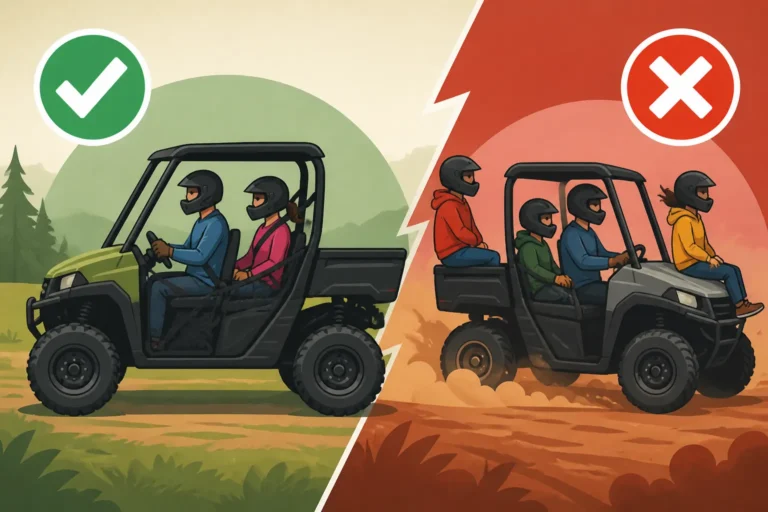
Since Alabama doesn't have a blanket minimum age for ATV operation, the onus of responsibility falls heavily on parents and guardians. This isn't just about being physically present; it's about active, engaged supervision. Active supervision means being fully aware of your child's riding environment, their skill level, and their adherence to safety rules. It involves teaching them proper riding techniques, demonstrating safe practices, and setting clear, firm boundaries. You're not just letting them "go ride"; you're mentoring them through a potentially hazardous activity.
This means starting in a controlled environment, free from obstacles or other traffic, allowing them to master basic controls like starting, stopping, turning, and throttle control. As they gain confidence and skill, you can gradually introduce more complex terrain and situations, always remaining within sight and earshot. It also involves teaching them about trail etiquette, respecting private property, and understanding the capabilities and limitations of their machine. A parent's constant guidance is the most effective safety device a young rider can have. For a detailed discussion on a parent's critical role, read [A Parent's Responsibility for a Young Alabama Rider].
Voluntary Safety Training and Its Benefits
While Alabama doesn't legally require an ATV or UTV safety course for any age group, investing in one for your child (and perhaps for yourself!) is one of the smartest decisions you can make. These courses, often offered by certified instructors, go far beyond what a parent might be able to teach on their own. They cover fundamental riding techniques, safe operating procedures, risk awareness, emergency maneuvers, and even basic machine maintenance. For a young rider, this structured learning environment can instill good habits from the outset and significantly reduce the risk of accidents.
Such courses typically use age-appropriate equipment and techniques, ensuring that the learning is effective and engaging. They teach riders how to handle different terrains, what to do in various scenarios, and the importance of wearing proper safety gear at all times. Think of it as driver's education for off-road vehicles. While it might cost a bit of time and money, the peace of mind and the enhanced safety for your child are invaluable. Even if you're an experienced rider yourself, these courses can offer new insights and reinforce best practices. Though Alabama has no mandatory course, it's highly encouraged, as highlighted in [Alabama Has No Mandatory ATV Safety Course] and [A Voluntary Safety Course Worth Taking in Alabama].
Essential Safety Gear for All Ages
Finally, let's talk about gear. This isn't a suggestion; it's a non-negotiable requirement for anyone, especially young riders, hitting the trails. Regardless of the age of the rider, the type of machine, or where you're riding, proper safety gear is your first line of defense against injury. Accidents can happen to anyone, experienced or novice, and the right gear can make the difference between a minor bump and a serious injury.
Here’s a checklist of essential gear:
- DOT-Compliant Helmet: This is the most critical piece of equipment. It must fit snugly and be specifically designed for motorized sports. It protects against head injuries, which are often the most severe in ATV/UTV accidents.
- Eye Protection: Goggles or a full-face helmet visor are crucial to protect against dust, debris, branches, and insects.
- Gloves: Protect hands from blisters, cuts, and scrapes, and provide a better grip on the handlebars.
- Long-Sleeved Shirt and Long Pants: Durable material (like denim) helps protect skin from scrapes, sun, and flying debris.
- Over-the-Ankle Boots: Provide ankle support and protection for the feet.
Even if you’ve equipped your machine with robust aftermarket accessories like heavy-duty skid plates or protective cages, perhaps from a reputable brand like SuperATV, the rider's personal safety equipment is what truly protects them. Never skimp on quality or compromise on wearing all the necessary gear. It's a habit that should be instilled in every rider from their very first ride.
Here's a quick overview of how age rules typically apply in different contexts in Alabama:
| Context | State Law Minimum Age | Typical Private Land Rule | Typical WMA/Park Rule | Key Responsibility Factor |
|---|---|---|---|---|
| State Statute | None specified | N/A | N/A | N/A |
| Private Property | None | Landowner's discretion | Parental supervision; machine-to-rider fit | Parental/Landowner discretion |
| OHV Parks | None | N/A | Often 16+ for solo, younger with direct supervision/waiver | Park policy, parental waiver |
| WMAs | None | N/A | Often require supervision for minors (e.g., under 16) | WMA specific regulations |
| National Forests | None | N/A | Emphasize safe, supervised riding; follow mfg. recs. | Federal guidelines, parental supervision |
Ultimately, while Alabama might not have a hard-and-fast statewide minimum age for ATV and UTV operation, that doesn't mean it's a free-for-all. Instead, it places a greater emphasis on individual responsibility, parental oversight, and adherence to specific rules when riding on public lands or in private parks. Always prioritize safety, ensure your young rider is on an appropriate machine, and seek out proper training. By doing so, you'll ensure that off-road adventures remain a source of joy and excitement for the entire family for years to come.
Disclaimer
This article is for general informational purposes only and does not constitute professional advice. Laws, prices and regulations vary by location and change over time. Consult a qualified professional for guidance on your specific situation.