Alabama Rules for Riding a Beach
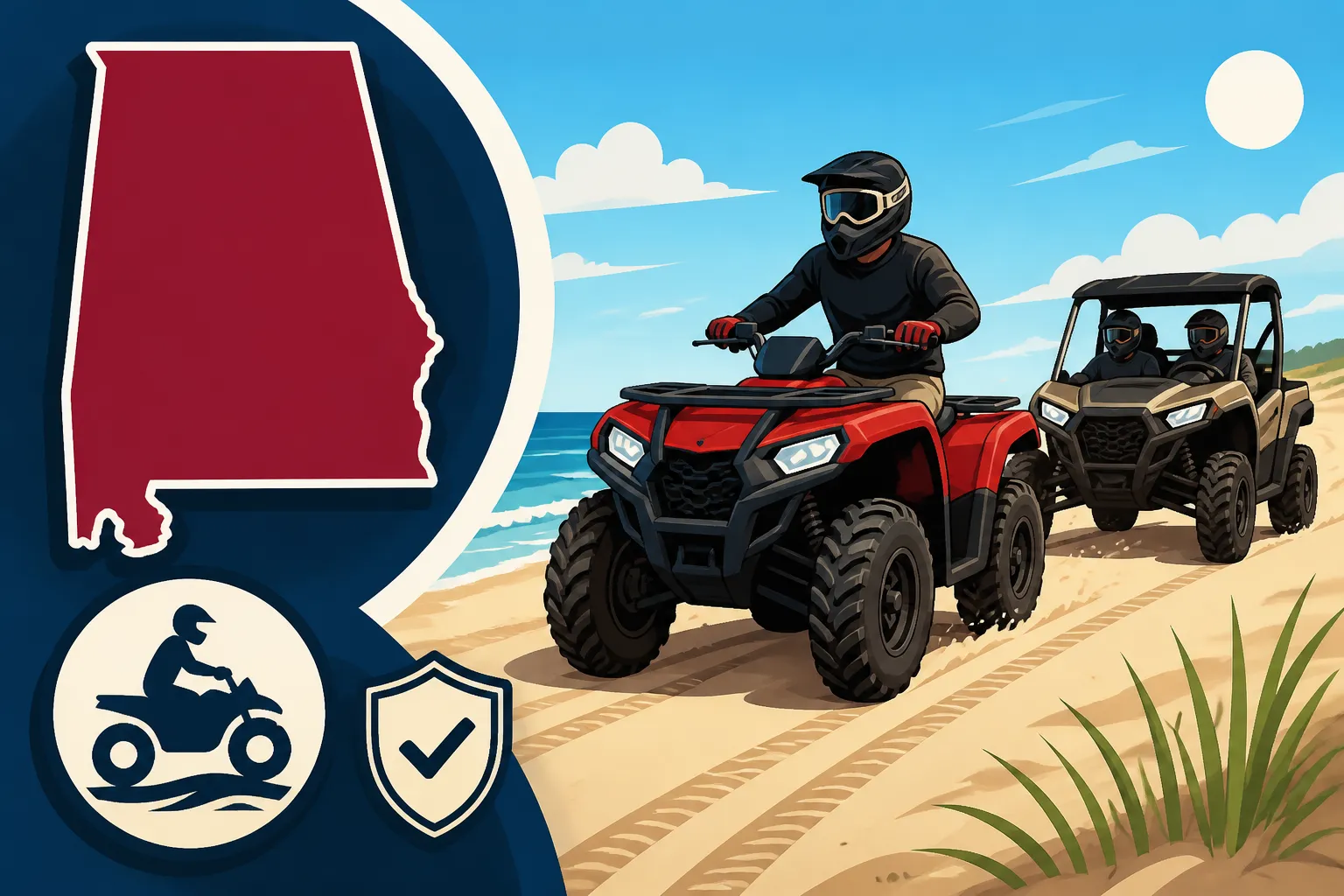
Oh, the allure of the Alabama coastline! You can just picture it, can't you? Cruising along the white sand beaches of Gulf Shores or Orange Beach on your ATV, the wind in your hair, the salty air filling your lungs, feeling that pure freedom. It's a fantastic daydream, truly, and one that many of us have had. But before you hitch up the trailer and head south, it’s absolutely crucial to understand the very real, often disappointing, rules about riding off-road vehicles on Alabama's beautiful beaches. This guide is going to walk you through exactly why that dream ride is likely off-limits, what the law says, and where you can legally and safely enjoy your machine.
The Dream Versus Reality: Why Beaches Are Generally Off-Limits
It’s easy to look at those expansive, open beaches and think, "What a perfect place for my quad!" But the reality for most of Alabama's coastline is that it's just not allowed. This isn't just about throwing cold water on your fun; it's rooted in important legal and environmental considerations that impact everyone. The vision of riding alongside the waves is often a stark contrast to the regulations you'll encounter.
Understanding Public Land Restrictions
Most of Alabama's stunning beaches are considered public lands, whether managed by the state, specific counties, or coastal municipalities. And with public land comes public rules – often very strict ones, especially when it comes to motorized vehicles. The reasoning behind these restrictions is multifaceted. For starters, there’s the environmental impact. Our coastal ecosystems, with their delicate dune systems, sea turtle nesting sites, and migratory bird habitats, are incredibly fragile. ATV and UTV tires can easily churn up sand, erode dunes, and disturb or destroy the nests of protected species, which can have long-lasting, detrimental effects on the natural beauty everyone comes to enjoy.
Then there are the safety concerns. Imagine families with small children playing near the water, sunbathers relaxing, or people strolling along the shore, only to have an ATV whiz by. It creates an obvious hazard for pedestrians and other beachgoers. The sheer volume of people who flock to Alabama’s beaches means that allowing motorized vehicles would create an unsafe and chaotic environment, undermining the peaceful, recreational atmosphere that draws millions each year. These rules are put in place not to spoil your fun, but to protect the natural environment and ensure a safe and enjoyable experience for all visitors.
The Legal Framework for Beach Access
When it comes to the legal side of things, most jurisdictions along the Alabama coast have specific ordinances that prohibit the operation of ATVs and UTVs on their beaches. While the state of Alabama has various laws governing off-road vehicles, including specific language about [Alabama ATV & ROV Legal Definitions] and [Alabama Public Use ATV Registration Explained], these laws generally don't grant permission for beach riding. Instead, local municipalities often have their own, more restrictive rules that supersede any general assumptions you might make about public land access.
Think about it: even if an area isn't a paved public road, it's still generally considered public property. Many state laws regarding off-road vehicles prohibit their use on public roads unless specifically authorized, and beaches usually fall under similar protective umbrellas. You'll find that city and county ordinances for places like Gulf Shores, Orange Beach, and Dauphin Island are quite explicit, universally banning ATVs, UTVs, and other similar vehicles from the main beach areas. These local laws are enforced rigorously, and ignorance of them is not considered a valid excuse.
Specific Alabama Beach Locations and Their Rules
When you're dreaming of riding by the ocean, specific locations often come to mind. It's important to understand that while Alabama's coastline may seem uniform, the regulations can be particular to each city or county. However, for ATVs and UTVs, the general consensus among coastal communities is a resounding "no."
Gulf Shores and Orange Beach: Strict Prohibitions
These two jewels of the Alabama coast are incredibly popular tourist destinations, known for their vibrant atmosphere, family-friendly environment, and pristine white sands. Because of their immense popularity and the delicate ecosystems present, both Gulf Shores and Orange Beach maintain very strict prohibitions against operating ATVs, UTVs, or any other unauthorized motorized vehicles on their beaches. This isn't a gray area; it's a firm rule, and local authorities enforce it diligently.
Their primary focus is on pedestrian safety and preserving the natural beauty that attracts millions of visitors. Allowing ATVs would not only endanger beachgoers but also cause significant environmental damage to the dunes and coastal habitats, which are crucial for wildlife and storm protection. You'll find signs, and often active patrols, reminding everyone of these regulations. Attempting to ride your machine on these beaches is a surefire way to get a citation, and potentially have your vehicle impounded, quickly turning your dream vacation into a frustrating nightmare.
Dauphin Island and Other Coastal Areas: Similar Restrictions
Even if you venture away from the bustling tourist hubs like Gulf Shores and Orange Beach to places like Dauphin Island or other less-populated stretches of Alabama's coast, you'll generally encounter the same restrictions. Dauphin Island, a beautiful barrier island known for its bird sanctuary and quieter atmosphere, also prohibits recreational ATV and UTV use on its beaches. The reasons remain consistent: environmental protection, maintaining public safety, and preserving the tranquil experience for visitors and residents.
While some areas might have private properties adjacent to the beach, riding on the actual beach itself is almost universally restricted. The concept of "private beach" often refers to the property extending to the high-tide line, with the area seaward of that line typically remaining public property. Even if you own beachfront property, your rights to operate a motorized vehicle might end where the sandy beach begins, especially if it's considered part of the public trust or a protected area. Always check local ordinances, but be prepared for disappointment when it comes to beach access for your off-road machine.
Exceptions or Designated Access Points
It’s natural to wonder if there are any exceptions, any hidden gems or designated areas where you can legally ride an ATV on an Alabama beach. Unfortunately, for general recreational riding, the answer is a resounding no. Alabama does not have designated public ATV trails on its beaches, nor does it typically permit recreational off-road vehicle use in coastal areas. The focus across the state's coastline is conservation, tourism, and pedestrian safety, which generally precludes the operation of ATVs and UTVs directly on the sand.
There might be extremely rare, specific instances where certain government agencies or licensed commercial operations use ATVs for beach maintenance, cleanup, or authorized scientific research. These are not recreational uses and are under strict permits and supervision. You might also encounter areas where ATVs are used for essential work, such as by local police, lifeguards, or oyster farmers on very specific, limited access points or during non-peak hours for official duties. However, these are exceptions for official purposes, not an open invitation for the public to ride. If you find yourself on what seems like an open stretch of beach, do not assume permission. It's always best to err on the side of caution and assume that motorized vehicles are prohibited unless you have explicit, written permission from the managing authority. [Alabama Rules Riders Get Wrong] often include assumptions about open access in seemingly remote areas.
Penalties, Enforcement, and What to Expect
Let's be blunt: attempting to ride your ATV or UTV on an Alabama beach where it's prohibited is a really bad idea. The local authorities, especially in tourist-heavy areas, are well-versed in enforcing these rules, and the consequences can quickly overshadow any fleeting fun you might have. It's not just a slap on the wrist; it can be a costly and time-consuming ordeal.
Fines and Citations
The first thing you'll likely face if caught riding illegally on an Alabama beach is a citation. These aren't minor parking tickets. Fines for operating an unauthorized motorized vehicle on a beach can be substantial, often running into the hundreds of dollars. On top of the base fine, you'll almost certainly incur additional court costs and administrative fees, which can quickly double the initial penalty. For example, [Alabama Ticket Costs for Road Riding] can be significant, and beach violations are often treated with similar gravity due to the environmental impact and safety risks involved.
A citation also means a court appearance, which can be a huge hassle, especially if you're visiting from out of town. You'll have to factor in travel, time off work, and potential legal fees if you decide to contest it. It's a heavy price to pay for a few minutes of unauthorized beach riding.
Machine Impoundment and Recovery
Beyond the financial hit of a fine, one of the most frustrating and costly consequences can be the impoundment of your ATV or UTV. Local law enforcement has the authority to seize vehicles operated illegally, and they will absolutely do so on the beaches to deter violations. Imagine your machine being towed away, leaving you stranded and without your prized off-road vehicle.
Retrieving an impounded machine is rarely a simple process. You'll be responsible for towing fees, daily storage fees at the impound lot (which can accumulate quickly), and any administrative fees the city or county charges for release. These costs can easily add up to hundreds, if not thousands, of dollars, far exceeding the initial citation. Plus, you’ll need to prove ownership, which can be complicated if you don’t have all your [Alabama Registration Paperwork Explained] handy or if there's any confusion. It's a major headache and a significant dent in your wallet, all for a ride that was illegal in the first place.
Why Enforcement is Strict
You might wonder why authorities are so strict. It boils down to several key factors: protecting valuable natural resources, ensuring public safety, and maintaining the quality of the tourist experience. Coastal areas like Gulf Shores and Orange Beach rely heavily on tourism, and a safe, clean, and enjoyable beach environment is paramount to that industry. Unregulated ATV use threatens all of those elements.
Local beach patrols, sheriff's deputies, and city police are well aware of the rules and the importance of upholding them. They are often highly visible and on the lookout for violations. Environmental groups and concerned citizens also play a role, often reporting illegal activity. For example, if you're riding too close to nesting areas for endangered species, or creating a disturbance among families, you can expect a quick response from law enforcement. Their strict enforcement is a measure to protect the very assets that make Alabama's beaches so appealing to so many people.
Alternative Off-Road Riding in Alabama
So, the dream of riding on the beach might be a bust, but that doesn't mean Alabama doesn't offer incredible opportunities for off-road enthusiasts! You just need to know where to look and, more importantly, where it's legal to ride. Alabama boasts a diverse landscape, from rolling hills to dense forests, and there are plenty of fantastic places to get your tires dirty without worrying about a citation.
Designated OHV Parks and Trails
This is where the real fun begins! Alabama is home to several fantastic, dedicated Off-Highway Vehicle (OHV) parks that provide miles upon miles of legal and varied terrain for ATVs and UTVs. These parks are designed specifically for off-road recreation, meaning you can ride to your heart's content without fear of breaking the law or disturbing fragile ecosystems.
One of the most renowned is [Stony Lonesome OHV Park in Alabama], located in Bremen. It boasts over 150 miles of trails catering to all skill levels, from beginner-friendly paths to extreme rock crawling. You'll find everything from tight woods trails to open fields, mud holes, and challenging climbs. Another excellent option is [Minooka Park Riding in Alabama] in Jemison, which offers over 400 acres of diverse terrain, including woods, mud pits, and hill climbs. These parks often have amenities like camping, wash stations, and even on-site repairs or gear shops. Before you head out, check out [Alabama ATV Trail Map Downloads] for these parks.
Riding in a designated OHV park offers a controlled and safe environment. Many riders choose to upgrade their machines for these demanding conditions. For instance, SuperATV offers a wide range of lift kits, heavy-duty axles, and skid plates that can really enhance your machine’s capability and durability for the challenging trails you'll find at places like Stony Lonesome. Their gear can give you the ground clearance and protection you need to tackle Alabama's varied terrain with confidence.
Private Land Riding with Permission
Another fantastic and legal option is riding on private land, provided you have explicit permission from the landowner. This is a common practice for many riders, especially those who own larger tracts of land or have friends and family who do. Riding on private property offers a unique sense of freedom, allowing you to create your own trails and enjoy your machine without public restrictions.
However, "private land" doesn't mean "anything goes." It’s absolutely vital to secure clear, written permission from the landowner. Just because land looks abandoned or unkempt doesn't make it fair game. [Alabama Trespass Law for Riders] is very clear, and violating it can lead to serious legal consequences, including fines and potential impoundment of your machine. Make sure you understand the boundaries of the property and any specific rules the landowner has, such as noise restrictions or operating hours. For those venturing deep into private tracts, having a winch from SuperATV can be a lifesaver if you get stuck in a particularly muddy patch or on a steep incline far from assistance. Always be respectful of the land and leave it cleaner than you found it. Remember to look out for [Posted Land and Purple Paint in Alabama], which often signifies private property where riding is prohibited without permission.
Other Public Land Considerations
While beaches are generally off-limits, there are other types of public lands in Alabama that sometimes allow off-road vehicle use on designated trails. For instance, some of Alabama's National Forests and Wildlife Management Areas (WMAs) may have specific routes or trails open to ATVs and UTVs. However, these are highly regulated, and you must adhere strictly to posted rules, obtain any necessary permits, and stay on marked trails. You can't just venture off-road anywhere in a national forest or WMA.
For WMAs, you'll need to be aware of [Alabama WMA Riding Rules for Quads], which often include specific dates, times, and permit requirements, especially during hunting seasons. Always check with the local district office for National Forests or the Alabama Wildlife and Freshwater Fisheries Division for WMAs before you plan your trip. The keyword here is "designated." If it's not explicitly marked as an OHV trail, assume it's not. These areas are primarily managed for wildlife, timber, and other recreational uses, and off-road vehicles are typically only allowed on specific, often limited, routes.
Comparison: Beach Riding vs. OHV Park Riding
To make it super clear, let's put the two options side-by-side.
| Feature | Riding on Alabama Beaches (Generally) | Riding in Alabama OHV Parks |
|---|---|---|
| Legality | Illegal | Legal and encouraged |
| Risk of Penalties | High (fines, impoundment, court) | Very low (if rules are followed) |
| Environmental Impact | Harmful (dune erosion, wildlife) | Managed and minimized |
| Safety for Others | Creates hazards for beachgoers | Designated for vehicles, higher safety |
| Terrain Available | Sand (mostly flat) | Varied (mud, rocks, hills, woods, sand) |
| Amenities | None (no services for riders) | Camping, wash stations, restrooms, shops |
| Experience | Stressful, short-lived, high risk | Fun, challenging, safe, community |
| Cost | High (fines, impound fees, legal fees) | Low (entry fees, voluntary upgrades) |
This article is for general informational purposes only and does not constitute professional advice. Laws, prices and regulations vary by location and change over time. Consult a qualified professional for guidance on your specific situation.