Reflective Tape for an Alabama County Road
We've all been there: the sun dipping below the tree line on a beautiful Alabama evening, and you're still a few miles from camp or home on a dusty county road. Suddenly, the serene glow turns to shadows, and a chilling thought crosses your mind – "Am I really visible out here?" It's a legitimate concern for anyone on an ATV or UTV, especially on those winding, unlit backroads. This guide is all about tackling that very real problem, showing you how reflective tape can be a simple yet incredibly effective tool to boost your visibility and safety when riding your off-road machine on Alabama's county roads after dark.
The Harsh Realities of Night Riding on Alabama County Roads
Riding your ATV or UTV is a blast, no doubt about it. But when the daylight fades, the rules of the game change, especially on county roads. Unlike dedicated trails or private land where you might be the only one for miles, county roads mean sharing the space, often with vehicles much larger and faster than your machine. The challenges are real, and understanding them is the first step toward riding smarter and safer.
Why Visibility is a Major Concern for ATV/UTV Riders
Think about it: your ATV or UTV, while powerful and fun, isn't designed for highway speeds or for blending into a stream of traffic. On a county road, you're smaller, lower to the ground, and often slower than other vehicles. Add in the darkness, and you become incredibly hard to spot. Many times, these roads have blind curves, crests, and dips that make it impossible for oncoming traffic to see you until the last second. It's not just about what you can see; it's crucially about whether others can see you. A car approaching from behind or heading your way might not register your presence until it's too late, especially if their attention is elsewhere or if they're simply not expecting an off-road machine. This isn't paranoia; it's a common-sense understanding of physics and human reaction time.
The Dangers of Low Light and Unpaved Surfaces
Alabama's county roads often mean gravel, dirt, and that famous red clay. These surfaces behave very differently at night than during the day. Dust kicked up by your tires, or even by a passing vehicle, can hang in the air, creating a hazy veil that further obscures visibility. Shadows from towering pines and oaks can swallow your machine whole, making you blend seamlessly into the background. Potholes, ruts, and washouts that are easy to spot in daylight become treacherous hazards in the dim glow of headlights – both yours and others. The lack of streetlights on most rural county roads means you're relying entirely on your machine's lights, which are often sufficient for navigating trails but can be woefully inadequate for alerting other drivers to your presence on a public thoroughfare. The consequences of misjudging a curve or an obstacle in the dark can range from a minor spill to a serious accident, and that's a risk no rider wants to take.
Legal and Safety Implications of Poor Visibility
While we all want to enjoy our machines, safety has to be paramount. Beyond the obvious risk of a collision, there are legal aspects to consider. While many county roads might seem like fair game, the rules for operating ATVs and UTVs on public roads in Alabama can be complex and vary. If you're involved in an incident, and your machine wasn't adequately visible, you could face legal repercussions. Deputies conducting [Alabama Equipment Checks by Deputies] might ticket you if your lighting or visibility doesn't meet even basic expectations for night operation, even if there isn't a specific statute on reflective tape. It's about exercising common sense and doing everything you can to prevent an accident. After all, nobody wants to deal with [Alabama Penalties for Illegal Road Riding] or the stress of an [Alabama Accident Reporting for an ATV Crash] simply because they weren't seen.
Understanding Reflective Tape: More Than Just a Sticker
Reflective tape might seem like a simple accessory, but it's a powerful tool in your visibility arsenal. It’s not just shiny; it’s engineered to perform a specific safety function, especially in low-light conditions. Understanding how it works and what types are available can help you make the best choices for your machine and your riding habits.
How Reflective Tape Works to Enhance Safety
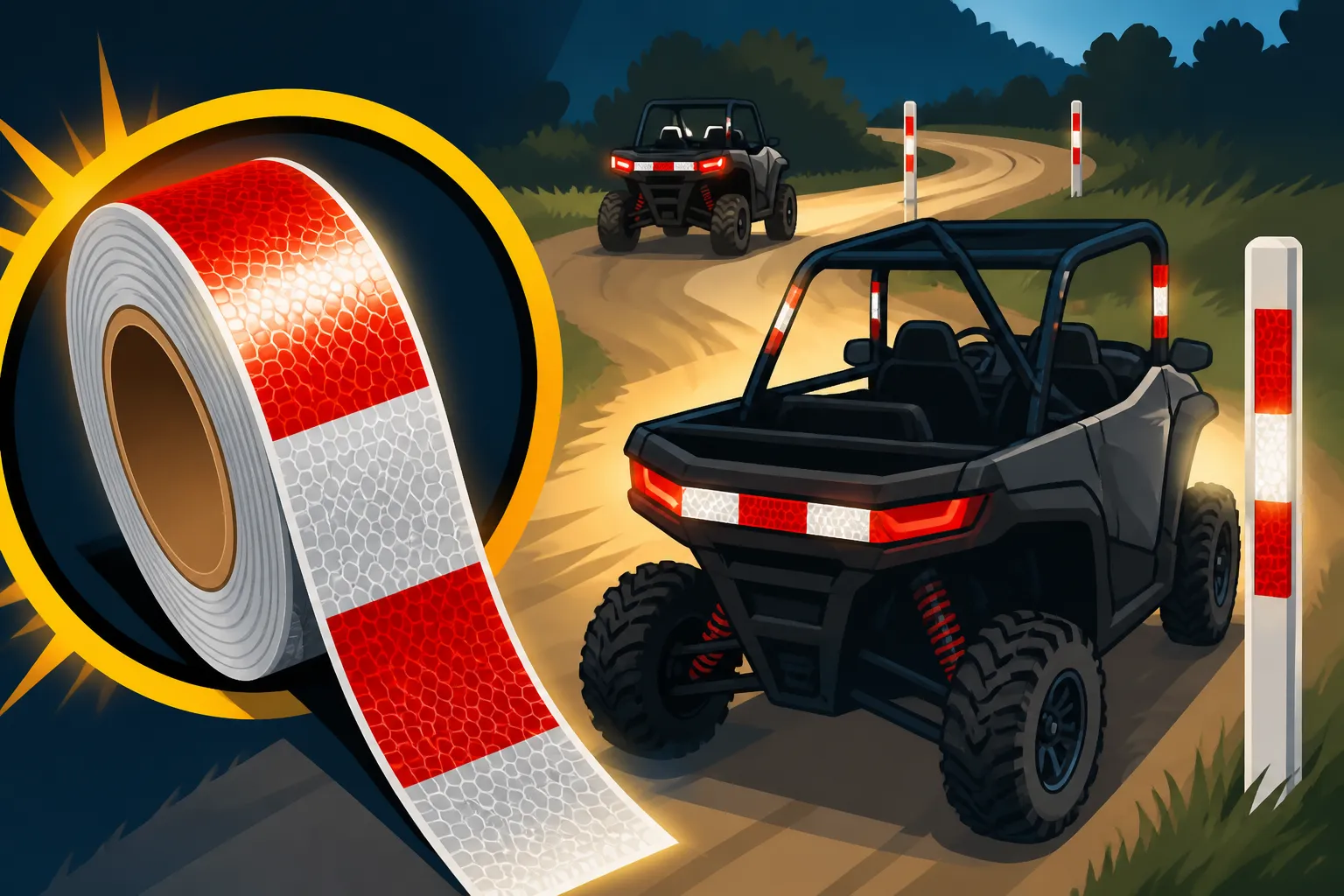
The magic of reflective tape lies in its "retro-reflectivity." Unlike regular shiny surfaces that scatter light in all directions, retro-reflective materials are designed to bounce light directly back to its source. Imagine a car approaching your ATV at night. Its headlights shine on your machine, and if you have reflective tape applied, that light is then sent straight back to the driver's eyes. This makes your machine "light up" in their headlights, making you much more visible much earlier than if you were relying only on your vehicle's small taillight. This passive illumination is crucial because it works even if your machine's power system fails or if your own lights aren't as bright as they could be. It gives other drivers those precious extra seconds to react, slow down, or adjust their path, potentially preventing a dangerous situation. It's a simple technology, but incredibly effective when properly utilized.
Types of Reflective Tape and Their Durability
Not all reflective tape is created equal. The effectiveness and durability largely depend on the grade and construction. Here's a quick rundown:
- Engineer-Grade (Type 1): This is the most basic and common type, often found on utility vehicles and some signs. It uses tiny glass beads embedded in the material. It offers good reflectivity but typically has a shorter lifespan and less intense reflection compared to higher grades. It's a good starting point for general visibility.
- High-Intensity Prismatic (HIP) (Type 3/4): This tape is a significant step up, using microscopic prisms instead of glass beads. These prisms reflect much more light back to the source, making it appear brighter and more vivid from a greater distance. HIP tape is also usually more durable, resisting weather, abrasion, and fading better than engineer-grade. For machines exposed to mud, dust, and harsh Alabama sun, this is often a better investment.
- Diamond-Grade (DG³) (Type 8/9/11): This is the top tier, offering the brightest and most durable reflectivity. It's designed for critical safety applications, like emergency vehicles and highway signs. While more expensive, it provides unparalleled visibility.
When choosing, consider the environment your machine lives in. If you're constantly caked in red clay or splashing through creeks, a more durable, higher-grade tape will last longer and maintain its reflectivity. Brands like SuperATV offer a wide range of accessories and parts, and while they might not specialize in tape, their focus on off-road durability often means they carry or recommend products that can withstand tough conditions. Always look for tapes rated for outdoor use and good adhesion in varying temperatures and moisture.
Here's a simple comparison table:
| Tape Type | Reflectivity Level | Durability | Common Use Cases | Ideal for ATV/UTV on County Roads |
|---|---|---|---|---|
| Engineer-Grade (Type 1) | Good | Moderate | General signage, utility vehicles | Basic, entry-level enhancement |
| High-Intensity Prismatic (HIP) | Very Good | High | Road signs, work zones | Recommended for enhanced safety |
| Diamond-Grade (DG³) | Excellent | Very High | Emergency vehicles, highway signage | Premium, maximum visibility |
Where to Apply Reflective Tape for Maximum Impact on Your Machine
Strategic placement is key to making reflective tape effective. You want to create a visible "outline" of your machine from all angles – front, sides, and rear.
- Rear: This is critical. Apply tape horizontally across the rear bumper, tailgate, or fender. Also, consider vertical strips along the outer edges of the machine or on the ROPS (Roll Over Protection Structure) bars if you have a UTV. You want to capture the attention of drivers approaching from behind.
- Sides: Apply strips along the length of the machine, following body lines or frame components. Think about the widest points. If your machine has a cargo bed or doors, outline them. This helps immensely when a vehicle is passing you or approaching from a side intersection.
- Front: While your headlights are primary here, reflective tape can offer a backup and enhance visibility, especially from indirect angles or if your lights are obscured by dust or mud. Apply strips along the front bumper, grille, or fenders.
- ROPS/Cage: For side-by-sides, the roll cage offers excellent surface area. Strips on the cage posts, especially the rear and side-facing ones, significantly increase your profile from various angles.
- Wheels/Fenders: Some riders apply small strips to the outer edge of fenders or even to wheel spokes, which creates a noticeable rotating reflection.
The goal is to provide visual cues that clearly identify your machine as an object in the road, not just a vague light source. Think about how a vehicle's headlights would sweep across your ATV or UTV from various distances and angles, and place tape where it's most likely to catch that light.
Practical Application and Best Practices for Your Alabama Ride
Now that you know why reflective tape is important and what kind to look for, let's talk about the how. Proper application and maintenance are crucial to ensure your tape performs its job effectively and lasts through the rigors of Alabama riding.
Preparing Your ATV or UTV for Tape Application
Applying reflective tape isn't just about sticking it on; a little preparation goes a long way in ensuring it adheres properly and stays put.
- Clean the Surface Thoroughly: This is the most critical step. Any dirt, dust, mud, or grime will prevent the adhesive from bonding correctly. Use a good degreaser or rubbing alcohol to clean the areas where you plan to apply the tape. For instance, if you're taping the rear fender after a muddy ride through the Talladega National Forest, you'll need to meticulously clean that red clay off.
- Dry Completely: Ensure the surface is absolutely dry. Any moisture trapped underneath can compromise the adhesive over time, leading to peeling.
- Temperature Matters: Most reflective tapes adhere best when applied in moderate temperatures, typically between 60°F and 80°F (15°C and 27°C). Applying it in freezing temperatures or scorching heat can affect the initial bond. If it's a cold Alabama winter day, try to work in a garage or wait for the warmest part of the day.
- Measure and Cut: Plan your layout before you start sticking. Measure the lengths you need and cut the tape precisely. Straight edges and clean cuts look better and adhere more uniformly.
- Avoid Obstructions: Ensure the tape won't interfere with any moving parts, exhaust heat, or cover any critical labels or serial numbers. You don't want it peeling off due to constant rubbing or melting from heat.
Taking your time with these preparatory steps will ensure that your reflective tape stays firmly attached, providing consistent visibility for many rides to come.
Strategic Placement for Optimal Road Visibility
Beyond just putting tape anywhere, strategic placement maximizes its effectiveness. Think like a driver encountering your machine on a dark, winding [Alabama Rules for Riding a Dirt Road].
- High and Wide: Apply tape to the highest and widest points of your machine. This helps create a larger, more prominent silhouette. For a quad, this might mean the top of the rear grab bar and the widest part of the fenders. For a UTV, consider the highest points of the ROPS and the outer edges of the bed or doors.
- Vertical and Horizontal Strips: Use a combination. Horizontal strips define width, while vertical strips define height. Together, they create a more complete and identifiable shape. Imagine a 'T' or an 'L' shape on the rear to capture light effectively.
- Contrasting Colors (if applicable): While most reflective tape is white, red, or amber, ensure it contrasts with your machine's primary color if possible. White or silver tape often provides the best night visibility against a dark machine, while red is excellent for the rear.
- Avoid Clutter: While more tape sounds better, too much haphazardly placed tape can look messy and potentially be less effective than carefully placed strips. Focus on clear, uninterrupted lines.
- Front, Sides, Rear Balance: Ensure balanced coverage. A vehicle approaching from a side street needs to see you as much as one approaching from directly behind or ahead. This is especially important at intersections on county roads where you might be making a turn.
Even if you primarily ride on private land, adding a few strategic pieces of reflective tape, perhaps from SuperATV or another trusted accessory provider, can add a layer of safety for those rare moments you need to cross or briefly use a county road.
Maintaining Your Reflective Tape for Long-Term Effectiveness
Reflective tape is tough, but it's not invincible. Regular exposure to mud, water, sun, and chemicals can degrade its performance.
- Regular Cleaning: Just like your machine, your reflective tape needs cleaning. Mud and dust will obscure its reflective properties. Use mild soap and water, and avoid abrasive scrubbers that could scratch the surface.
- Inspect for Damage: After particularly aggressive rides or once a month, inspect all tape for peeling edges, cracks, fading, or physical damage. Peeling edges can allow water and dirt underneath, compromising the adhesive further.
- Replace as Needed: If you notice significant fading, cracking, or large sections peeling, it's time to replace the tape. A damaged strip isn't doing its job effectively. It's a small investment for continuous safety.
- Protect from Harsh Chemicals: Be mindful of cleaners or solvents you use on your machine. Some harsh chemicals can degrade the reflective surface or adhesive of the tape.
- Consider Clear Overlays: Some riders use a clear protective film over their reflective tape, especially in high-abrasion areas, to extend its life. This is often seen on graphics, and the principle applies to reflective tape too.
By proactively maintaining your reflective tape, you ensure it remains a reliable tool for keeping you visible and safe on those dark Alabama county roads, whether you're heading to a deer stand or just enjoying a quiet evening ride.
Beyond Tape: Other Considerations for Night Riding Safety
While reflective tape is an excellent enhancement, it's just one piece of the puzzle for safe night riding on county roads. A holistic approach that includes additional lighting, appropriate gear, and an understanding of local regulations will provide the best protection.
Additional Lighting and Signaling Accessories
Your machine's factory lights are a starting point, but they can often be improved upon for night riding on public roads.
- LED Light Bars: These are incredibly popular for a reason. An LED light bar mounted on the front of your UTV or ATV can dramatically increase your forward visibility, illuminating the road ahead much more effectively than standard headlights. Just be mindful of blinding oncoming traffic when using them on public roads; often, they are so powerful they should only be used in true off-road or deserted rural settings.
- Auxiliary Taillights/Brake Lights: Adding extra, brighter taillights or a dedicated brake light that's highly visible can make a huge difference for drivers behind you. Sometimes the stock taillights are just too dim to stand out against the backdrop of a dark road.
- Whip Lights: While more common on sand dunes, a lighted whip on your UTV can significantly increase your vertical profile, making you visible over hills or from a greater distance. Many are LED and offer multiple color options.
- Turn Signals: While not always legally required for off-road machines on county roads, adding aftermarket turn signals (even basic, stick-on LED ones) can communicate your intentions clearly to other drivers, reducing confusion and increasing safety, especially if you have to turn off a main county road onto a smaller path. Many accessory providers, including those found at SuperATV, offer various lighting solutions that are adaptable to off-road machines.
- [Alabama Lighting on a Machine at Night]: Always check the basic requirements for operating any vehicle after dark. Even if not specifically for ATVs, understanding general lighting expectations is important.
Rider Gear and Personal Visibility
It's not just your machine that needs to be seen; you, the rider, do too!
- Reflective Clothing/Vests: A simple reflective vest worn over your riding gear can make you incredibly visible. Many riding jackets and pants also incorporate reflective elements into their design.
- Reflective Helmet Decals: Your helmet is often the highest point of your person. Adding reflective decals to your helmet can ensure your head is seen, even if other parts of your body are obscured. This complements the existing [Alabama Helmet Rules on Private Land] or any personal choice to wear a helmet.
- Bright Colors: Choose riding gear in bright, contrasting colors like fluorescent yellow, orange, or green, especially if you're frequently riding near dawn, dusk, or at night. These colors stand out better in low light than drab or dark tones.
- Headlamp: A headlamp worn by the rider can be invaluable for illuminating what's directly in front of you, especially when looking to the sides, or if you dismount for any reason.
Understanding Alabama's Laws on Road Riding
Finally, the most crucial safety measure is always an understanding and respect for the law. While reflective tape and extra lights boost visibility, they don't necessarily make your ATV or UTV "street legal" in Alabama. The rules for operating off-road machines on public roads are nuanced and can be confusing.
- [Are ATVs Street Legal in Alabama?]: Generally, ATVs and UTVs are not street legal for widespread public road use in Alabama. There are very specific exceptions, such as for agricultural purposes or crossing a road. Do not assume that adding lights and reflective tape grants you permission to ride freely on county roads.
- [Alabama Rules for Riding a County Road]: Even for permissible uses, there are often rules about speed, yielding to traffic, and other safe operating procedures. Ignorance of these rules is not an excuse.
- Local Ordinances: Some counties or municipalities might have their own specific ordinances regarding ATV/UTV use on certain local roads. Always check with the local sheriff's office or county commission if you're unsure about a specific area.
- Impaired Riding: Never, ever operate your ATV or UTV on any public or private land under the influence of alcohol or drugs. Alabama's DUI laws apply to off-road machines just as they do to cars. Always ride sober. [Alabama DUI Law and Off-Road Machines] are just as serious off-road as on the highway.
- [Alabama Rules for Riding After Dark]: When you do ride after dark, even where permissible, the emphasis on visibility and caution is heightened.
By combining the practical application of reflective tape with additional lighting, appropriate personal gear, and a solid understanding of Alabama's specific regulations, you'll be well-equipped to enjoy your ATV or UTV safely on county roads, without becoming an unexpected hazard for others.
Disclaimer
This article is for general informational purposes only and does not constitute professional advice. Laws, prices and regulations vary by location and change over time. Consult a qualified professional for guidance on your specific situation.