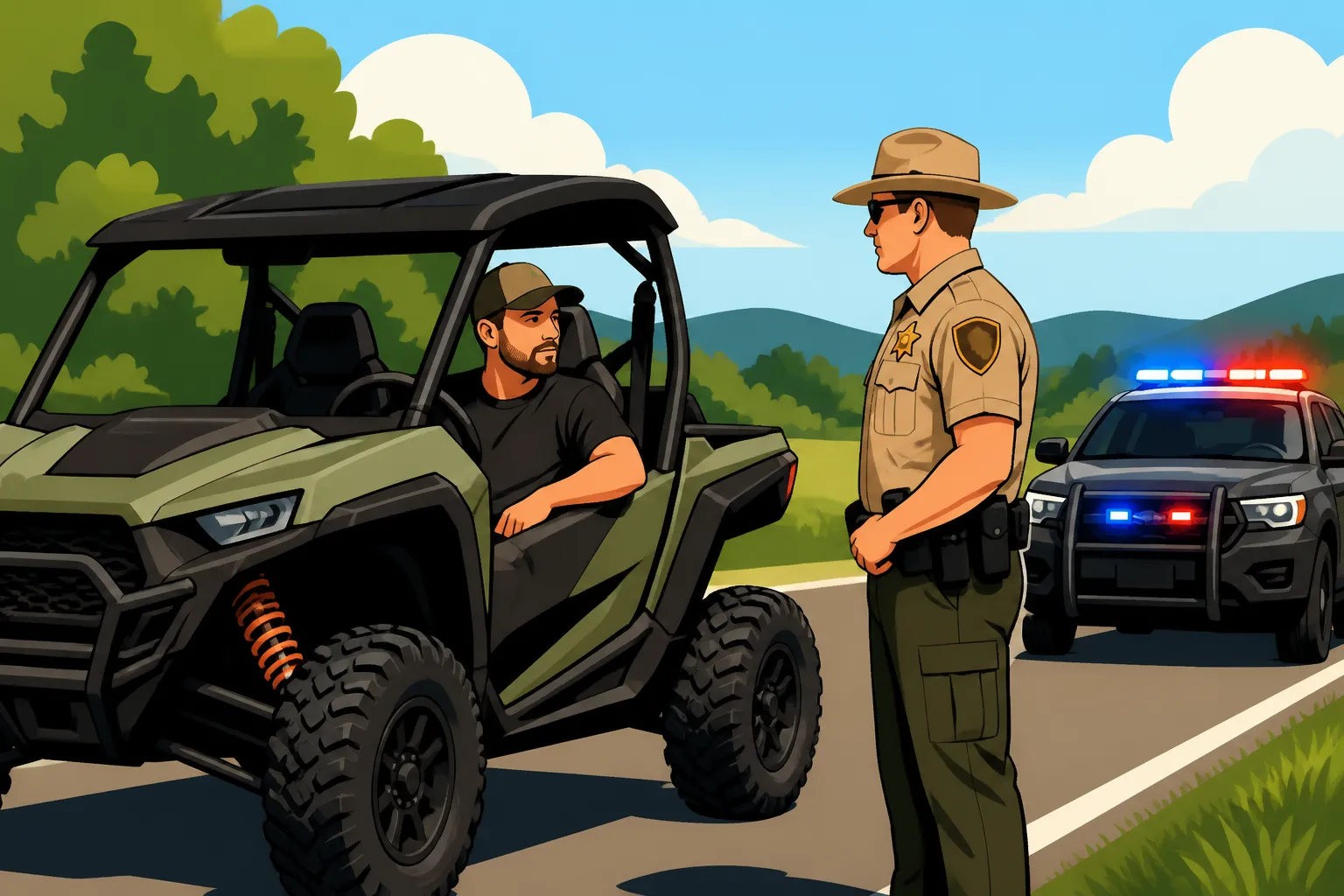
An Alabama Deputy at a Roadside Stop
There’s nothing quite like the feeling of hitting the trails on your ATV or UTV, especially here in Alabama with our diverse landscapes, from red clay hills to sandy river bottoms. But let's be real, sometimes you need to get from point A to point B, and that might involve a short hop on a public road. It’s a common scenario many riders face, and it often comes with a bit of a gamble. One minute you're enjoying the ride, the next you see those flashing blue lights in your rearview mirror, and your heart sinks. This guide will walk you through what to expect if an Alabama deputy pulls you over while you're on a public road with your off-road machine, helping you understand the rules, your rights, and the best way to handle the situation.
Understanding Why You Were Stopped: The Core Issue
Let's cut right to the chase: the vast majority of ATVs and UTVs are simply not built for public road use, and Alabama law reflects that. It's a frustrating reality for many of us who just need to get across a short stretch of pavement to access more trails or move between properties. You might think, "It's just a quick minute, what's the harm?" but that brief moment is often enough to catch a deputy's eye and lead to a roadside stop.
The Street Legal Question in Alabama
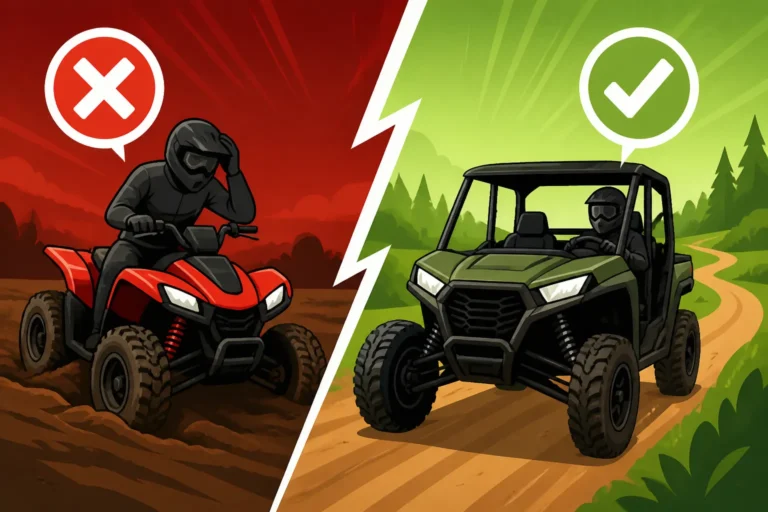
The fundamental reason you're likely being stopped is that your ATV or UTV, as it rolled off the factory floor, does not meet the federal safety standards required for vehicles on public roads. These aren't just arbitrary state laws; they trace back to strict federal guidelines known as Federal Motor Vehicle Safety Standards (FMVSS). These standards cover everything from brakes and lights to crash protection and emissions. Regular ATVs and UTVs are designed for off-highway use, meaning they're not required to meet these extensive safety criteria.
What does this mean for you? It means that, by and large, [Alabama Machines That Cannot Be Plated] for road use. The state recognizes a category of "low-speed vehicles" (LSVs) that can be street legal, but these are purpose-built vehicles that meet specific safety equipment requirements right from the manufacturer. Your typical sport quad or utility side-by-side, even with some aftermarket additions, doesn't fall into this category. It's a tough pill to swallow when you see neighbors on golf carts on the same roads, but the legal definitions are very specific and rarely include your off-road machine. Trying to apply a "street legal kit" often just adds accessories without addressing the core federal standard compliance, which is what truly matters to law enforcement.
Common Scenarios for Being Stopped
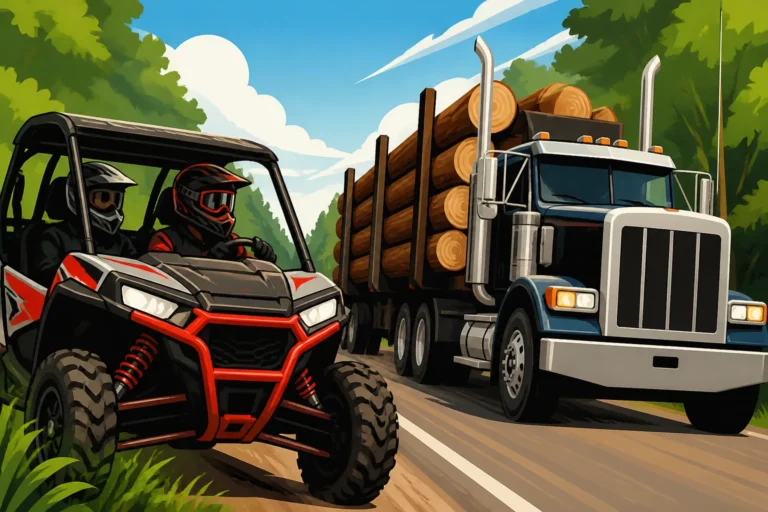
Deputies aren't just waiting in the bushes for off-road enthusiasts. However, there are very common scenarios that put you squarely on their radar. Perhaps the most frequent is simply [Riding a County Road on an ATV]. Even if it's a quiet dirt road far from traffic, it’s still considered a public roadway in Alabama. Many riders also find themselves in a bind when they're [Crossing a Road on an ATV in Alabama]. While some specific statutes allow for crossing at a 90-degree angle for short distances, the context and local ordinances play a huge role, and often, even a quick crossing can lead to a stop if not done precisely by the book, or if a deputy simply observes you for longer than just the crossing itself.
Other situations include riding within city limits or in subdivisions where local ordinances explicitly prohibit ATVs or UTVs on streets. You might be innocently going from your property to a hunting club, using a county road as a shortcut, or maybe you're out taking your quad [Alabama Rules for Riding to a Deer Stand]. While these are practical uses for your machine, the moment those tires touch a public road, you are operating outside the intended legal framework. Officers are also trained to notice non-standard vehicles, and the distinct sound and appearance of an off-road machine on pavement will inevitably draw attention. Don't forget that noise complaints from residents can also trigger a patrol, especially if you're riding through a populated area.
What an Alabama Deputy Can Ask to See
When those lights come on, it's natural to feel a bit flustered. But knowing what an officer is likely to ask for can help you stay calm and prepared. They're primarily looking to establish your identity, confirm you have some form of ownership over the machine, and understand the specifics of your off-road vehicle. Being ready with these items can make the interaction much smoother, even if you still end up with a citation.
Proof of Identity and Ownership
First and foremost, the deputy will ask for your identification. This typically means a valid driver's license. Even if you're operating an off-road machine and don't need a driver's license to use it on private land, you will need ID when interacting with law enforcement on a public road. So, always have your state-issued driver's license or other official identification on you. Beyond your personal identification, the officer will want to confirm that the ATV or UTV you're operating actually belongs to you. This is where [Proving You Own an Untitled Machine] can become a bit tricky, especially for older machines or those bought through private sales.
Alabama has a unique system where [Alabama Splits Titling and Registration Between Agencies], and titling for new machines only began with the 2026 model year. So, for many existing machines, you won't have a traditional title. What the deputy will be looking for is some form of documentation that establishes your ownership. This might include your [Alabama Registration Paperwork Explained] if you've voluntarily registered your machine with ALEA. Even if your machine is not titled, having an official registration shows a clear link to you as the owner. Furthermore, a detailed [Alabama Bill of Sale Requirements] or a [Alabama Purchaser's Certificate Requirements] from when you acquired the machine is crucial. These documents should clearly list the machine's serial number, the buyer's and seller's information, and the date of sale. Keep these in a waterproof bag or stored securely on your person, not just tucked away somewhere in your garage.
Machine-Specific Information and Equipment
Beyond your personal documents, the deputy will also be interested in the machine itself. They'll likely ask to see the machine's serial number, which is a unique identifier often stamped on the frame. If you've been proactive and registered your machine, they might also inquire about your [Alabama Public Use ATV Registration Explained] or [Alabama Private Use ATV Registration Explained] decal. While this registration doesn't grant street legality, it does show that you've taken steps to comply with one aspect of Alabama's off-road vehicle laws.
Depending on the time of day, they may also check for basic safety equipment. For example, if you're riding after dusk or before dawn, [Alabama Lighting on a Machine at Night] becomes a critical concern. Your off-road machine should have working headlights and taillights for visibility. Though not directly related to street legality, a deputy might also check if your machine has a [Does Alabama Require a Spark Arrester on an ATV?]. This is important for preventing wildfires, especially in dry conditions, and it’s a common requirement for public land use. While these checks might seem secondary to the main reason for the stop, having compliant equipment shows you are a responsible operator, which can potentially influence how the rest of the interaction proceeds.
Potential Consequences of an ATV Roadside Stop
Nobody wants to get a ticket, especially when you feel like you were just trying to be practical. However, riding an ATV or UTV on public roads in Alabama carries specific risks, and deputies are within their rights to issue citations or take more serious actions. Understanding these potential outcomes can help you weigh the risks and, hopefully, avoid them in the first place.
Citations and Fines
The most immediate consequence of being stopped for operating an ATV or UTV on a public road is often a citation. This is not just a minor slap on the wrist; these tickets can carry significant fines. The specific charges will vary depending on the exact statute violated, the local municipality, and the discretion of the officer. Typically, you'll be cited for illegal operation of an off-road vehicle on a public road. The [Alabama Penalties for Illegal Road Riding] can add up quickly, especially when you factor in court costs and surcharges on top of the base fine.
It's not uncommon for a single stop to result in multiple citations. For instance, if you're riding without proper identification, or if your machine isn't equipped with functioning lights at night, those can be additional violations. If you're riding with a passenger on a single-seat quad, that could be another. In some cases, if you've veered off the road onto private property without permission during your stop, you could even face a trespass charge in addition to the road-use violation. These [Alabama Ticket Costs for Road Riding] can put a real dent in your wallet, and don't forget the added expense of [Alabama Court Costs for a Citation] if you decide to dispute the ticket. If you're cited for something like [Alabama Impaired Riding Rules], the consequences are far more severe, akin to a DUI in a car.
Vehicle Impoundment and Other Actions
While a fine is certainly unpleasant, a more drastic consequence can be the impoundment of your ATV or UTV. When police decide to [When Police Impound a Quad After a Stop], it's a major headache and can be quite costly. This typically happens if the officer deems the vehicle to be operated illegally, if the rider is under the influence, or if there's no clear proof of ownership. For instance, if you’re caught riding on a public road and cannot provide any documentation proving you own the machine, an officer might impound it as part of an investigation into potential theft.
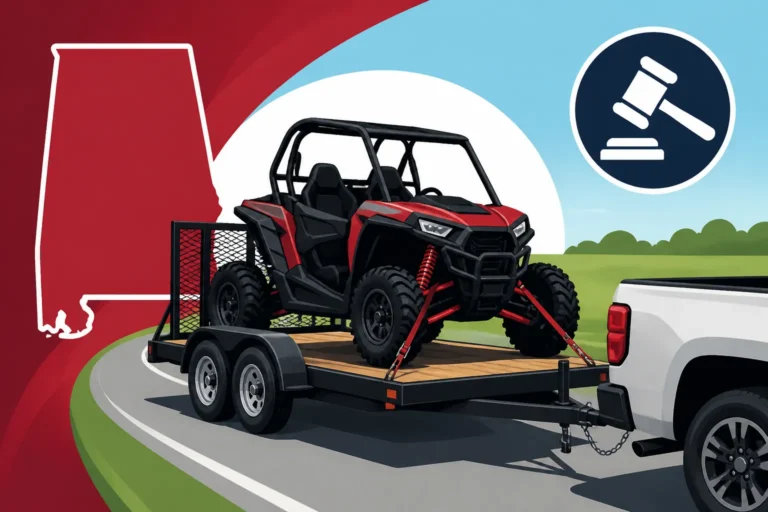
The costs associated with impoundment include towing fees, daily storage fees at the impound lot, and possibly administrative fees from the law enforcement agency. These charges can accumulate rapidly, often exceeding the cost of the original fine. Getting your machine back usually involves showing proof of ownership, paying all outstanding fees, and sometimes presenting evidence that you can legally remove it (e.g., trailering it away, rather than riding it back onto a public road). Furthermore, if a rider is found to be operating an ATV or UTV while under the influence, facing [Alabama DUI Law and Off-Road Machines] charges, the machine will almost certainly be impounded as evidence and for public safety. In the unfortunate event of an off-road accident, even on private land, if law enforcement is involved, there are [Alabama Accident Reporting for an ATV Crash] procedures that may apply, and an investigation could lead to temporary impoundment as well.
How to Handle a Roadside Stop: Your Best Approach
Encountering law enforcement while you're out riding can be intimidating, but how you handle the situation can significantly influence the outcome. Staying calm, being cooperative, and understanding your rights are crucial steps to navigate a roadside stop effectively, even when you know you might be in violation of a rule.
Staying Calm and Cooperative
When you see those lights, the first thing to do is remain calm. Pull over to the safest possible spot, even if that means gently rolling off the paved road onto a dirt shoulder if available and safe. Turn off your machine, remove your helmet (if you're wearing one), and keep your hands visible. Avoid any sudden movements that might be misinterpreted by the officer. Your goal is to de-escalate any potential tension and show respect for the deputy's authority.
When the officer approaches, be polite and address them respectfully. They will likely ask [What an Alabama Officer Can Ask to See], so have your identification and proof of ownership ready to present. Answer their questions truthfully, but avoid volunteering information that isn't asked. For example, if they ask if you know why they stopped you, a simple "Yes, sir/ma'am, I believe it's because I'm on a public road" is sufficient. Arguing, becoming confrontational, or making excuses will almost certainly make the situation worse and could lead to additional charges, like resisting arrest or disorderly conduct. Even if you believe the stop is unfair or the law is misguided, the roadside is not the place to [Disputing an ATV Citation in Alabama]. That's a process for court. A better proactive approach is to be informed beforehand; if you have questions about local regulations, consider [Calling an Alabama Sheriff Before You Ride] to clarify rules in your specific area.
Understanding Your Rights and Next Steps
While cooperation is key, it's equally important to understand your rights. You have the right to remain silent, meaning you don't have to answer questions that could incriminate you beyond providing identification. If an officer asks to search your machine, you have the right to refuse unless they have probable cause or a warrant. However, refusing a search can sometimes lead to delays while they seek a warrant, so weigh your options carefully in the moment. Remember that anything you say can be used against you in court.
If you are issued a citation, accept it without further argument. You'll receive information on how to pay the fine or how to contest it in court. If you believe the citation was issued in error or that you have a valid defense, you absolutely have the right to appear in court and present your case. This is where having all your documentation, like a bill of sale, and understanding specific local laws, potentially by reviewing [Alabama City Ordinance Lookups], becomes incredibly important. While it's tempting to think that aftermarket parts like lift kits, larger tires, or custom lights from brands like SuperATV somehow grant you more leeway on public roads, it's crucial to remember that these modifications are primarily for enhancing off-road performance and aesthetics. They do not magically transform your ATV or UTV into a street-legal vehicle in Alabama. Regardless of the robust SuperATV suspension or impressive winch you've installed, the legal definitions remain the same, and your machine is still largely prohibited from public road use. Always prioritize safety and legal compliance, and remember that even the best off-road accessories from SuperATV won't change state law concerning street legality.
Ultimately, the best defense is prevention. Know where you can and cannot ride legally. While it's sometimes unavoidable to briefly cross a road, always be aware of the risks and have your paperwork in order.
Disclaimer
This article is for general informational purposes only and does not constitute professional advice. Laws, prices and regulations vary by location and change over time. Consult a qualified professional for guidance on your specific situation.