Does a Hunting Lease Let You Ride a Quad?
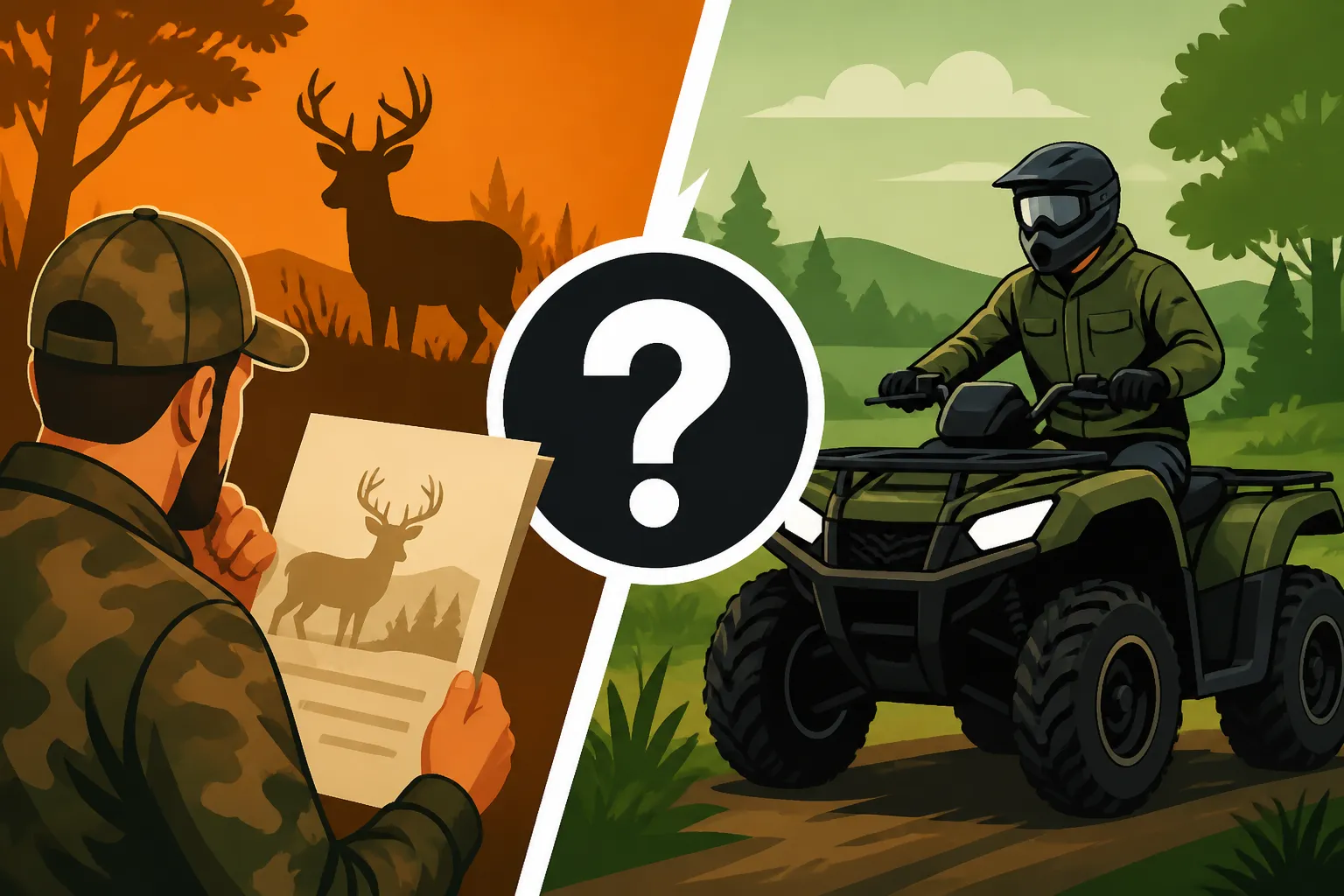
It's a common scenario for many of us here in Alabama: you've finally secured that coveted hunting lease, picturing crisp mornings in the stand and the camaraderie of the camp. You've got your ATV or UTV all prepped, thinking it'll be perfect for hauling gear, checking trail cameras, or, let's be honest, making game retrieval a whole lot easier. But then a little voice in the back of your head pipes up: "Wait, is riding my quad even allowed on this leased land?" This guide is here to help you navigate the often-murky waters of ATV and UTV use on hunting leases across our beautiful state, ensuring you stay on the right side of your agreement and your landowner.
Understanding Your Lease Agreement: The First, Most Crucial Step
Before you even think about loading up your ATV or UTV and heading to your leased hunting grounds, your absolute first stop needs to be the lease agreement itself. This document isn't just a formality; it's the binding contract that outlines the rules, responsibilities, and permissions for everyone involved. Many hunters get so caught up in the excitement of a new lease that they skim over the fine print, only to find themselves in a sticky situation later. Don't be that person. Grab a cup of coffee, sit down, and give that agreement a thorough read.
Why the Lease Document Is King
Think of your hunting lease as the ultimate rulebook for the specific piece of property you're using. While Alabama state laws set a general framework for off-road vehicles, when you're on private, leased land, the terms of your lease take precedence. The landowner has the right to set additional restrictions or grant specific permissions that might go beyond—or be stricter than—state regulations. For example, the state might not have an age limit for riding on private property, but your lease absolutely could, especially if the landowner is concerned about liability. It’s their land, and they call the shots within legal bounds, so whatever they put in that document is what you're signing up for.
Many hunters assume that because they're on "private" land, they can do whatever they want with their machine. This is a huge misconception that can quickly lead to losing your lease. The landowner is entrusting you with their property, and they expect you to abide by the agreed-upon terms. Disregarding these terms isn't just a breach of contract; it's a breach of trust, which can be even harder to repair in the close-knit world of Alabama hunting leases.
What to Look For in the Language
When you're poring over your lease agreement, keep an eye out for any language specifically related to "motorized vehicles," "ATVs," "UTVs," "off-road vehicles," "all-terrain vehicles," or even "vehicles." These terms can be scattered throughout the document, sometimes buried in sections about property maintenance, liability, or general conduct. Pay close attention to verbs and qualifiers: Does it say "motorized vehicles are prohibited"? Or "ATVs may be used for game retrieval only"? The wording matters immensely.
Also, look for clauses that discuss where vehicles can be operated. Does it specify "on established roads only" or "no off-trail riding"? Many landowners are concerned about erosion, disturbance of wildlife, or damage to food plots, and they will explicitly state these limitations. If the lease mentions "property damage" or "habitat disturbance," consider how your ATV use might fall under those categories. A landowner might interpret excessive mud bogging or creating new trails as property damage, even if you don't.
When the Lease Is Silent
This is often where the real frustration sets in. You've read the entire lease, maybe even twice, and there's absolutely no mention of ATVs or UTVs. Does that mean it's allowed by default? Not necessarily, and relying on that assumption is a risky move. A silent lease creates an ambiguity that can lead to misunderstandings and friction down the line. It's far better to seek explicit clarification than to guess and potentially upset your landowner.
If your lease is silent, the best course of action is to communicate directly with the landowner. Don't just assume "no mention means yes." This is especially true if you plan to use your machine extensively. You might be thinking about getting one of those heavy-duty lift kits from SuperATV to tackle rough terrain, but if the landowner hasn't approved ATV use, that investment might not pay off. Proactively addressing the issue shows respect and responsibility, which can strengthen your relationship with the landowner and potentially open the door to reasonable usage. Always try to get any clarifications or additional permissions in writing, even if it's just an email, to avoid future disputes. [Written Permission From an Alabama Landowner] is always a good idea.
Common Lease Clauses Regarding ATVs and UTVs
Hunting leases can be incredibly varied, reflecting the diverse properties and priorities of landowners across Alabama. However, some common themes and specific clauses tend to pop up when it comes to the use of off-road vehicles. Understanding these can help you anticipate what might be in your own agreement or what questions you should ask.
Explicit Permissions and Restrictions
Some leases are very clear-cut. You might find language like "ATVs and UTVs are permitted on designated trails only" or "Use of motorized vehicles is strictly prohibited for any purpose." These clauses leave little room for interpretation, and your responsibility is simply to comply. Landowners often have good reasons for these explicit rules. Prohibitions might stem from concerns about noise disturbing game, preventing soil erosion, protecting newly planted food plots, or minimizing the risk of wildfire from hot exhausts.
On the other hand, explicit permissions might come with their own set of guidelines. For instance, a lease might state, "ATVs are permitted solely for the purpose of game retrieval and transportation to designated stands." This means joyriding is out, but using your quad to pull out that trophy buck is perfectly acceptable. It's about respecting the boundaries set for practical, often conservation-minded, reasons. Always remember that even if you have permission, riding irresponsibly can still lead to a landowner revoking that privilege for everyone.
Rules About Trails and Off-Trail Riding
A frequent point of contention arises with off-trail riding. Many hunting leases will specifically direct hunters to use only existing roads, logging trails, or designated paths. The reasons are multifaceted: preventing new ruts and erosion, minimizing impact on sensitive areas, and maintaining the aesthetic and ecological integrity of the property. Driving off-trail can quickly tear up land, especially our famous Alabama red clay after a rain, creating unsightly and damaging ruts that are difficult to repair.
It's also about managing game movement. Unrestricted riding can push deer and other wildlife off their natural patterns, impacting the hunting quality for everyone on the lease. If your lease specifies "no off-trail riding," understand that this is likely a non-negotiable term for the landowner. Even if you're just "scouting," creating new paths with your UTV can be seen as a violation. Stick to the path, literally and figuratively, to maintain good relations and preserve the land for future hunts. [Alabama Hunting Club Riding Rules] often stress this.
Insurance and Liability Waivers
One of the biggest concerns for any landowner, especially when allowing activities like hunting and ATV riding, is liability. Accidents happen, and if someone gets hurt on their property, they could potentially be held responsible. Many hunting leases, therefore, include clauses that require leaseholders to carry their own liability insurance or to sign waivers that release the landowner from responsibility in case of injury or accident.
It's not uncommon for a lease to explicitly state that the landowner is not liable for any injuries sustained while operating an ATV or UTV on the property. This is a critical clause that you must understand. If you're injured while riding, you're generally on your own for medical expenses. This is a big reason why landowners might restrict ATV use, or even prohibit it entirely, as it's a way to minimize their risk exposure. Make sure you understand your personal insurance coverage and what the lease demands. [Does Alabama Require Insurance on an ATV?] is a good question to consider for your own protection, even if not mandated by the state on private land.
Beyond the Lease: State Laws and Landowner Expectations
Even with a thoroughly read lease, there are other layers to consider when riding your ATV or UTV on leased hunting land in Alabama. State laws provide a baseline, but the unspoken expectations of the landowner and the impact of your actions on the hunting experience itself are equally important.
Alabama's General Off-Road Vehicle Rules on Private Land
Generally speaking, when you're riding an ATV or UTV exclusively on private property in Alabama, the landowner's rules are paramount. The state's broader off-road vehicle statutes tend to focus more on public lands, road use, and sales/registration. For instance, [Alabama Private Use on Your Own Property] clarifies that if you own the land, you largely set the rules. However, this doesn't mean a free-for-all. Basic laws concerning reckless endangerment, [Alabama DUI Law and Off-Road Machines], and sometimes age restrictions for supervised riders can still apply, regardless of property ownership. You can't, for example, intentionally endanger another hunter on the property, even if your lease allows ATVs.
Think of it this way: while the state might not mandate a helmet for adults on private land, common sense and safety certainly suggest wearing one, especially if you're navigating rough terrain to retrieve a deer. The absence of a specific state prohibition doesn't automatically grant permission or remove common-sense safety obligations. Always prioritize safety, not just for yourself but for everyone else on the property.
The Importance of Communication with the Landowner
Let's be real: sometimes, that lease agreement might be an older document, or it might have been drafted by someone who didn't fully anticipate ATV and UTV use. If there's any ambiguity, or if you plan on using your machine for something beyond what's explicitly stated (e.g., trail maintenance, not just game retrieval), open communication with the landowner is invaluable. A simple, polite conversation can prevent a lot of headaches.
Don't wait until you're caught red-handed to have this discussion. Approach the landowner beforehand, explain your intentions, and ask for their specific guidance. "Hey, I'd like to use my side-by-side to clear some shooting lanes for next season – is that okay, and are there any areas you'd prefer I avoid?" This shows respect and responsibility. Many landowners will appreciate the honesty and are often willing to work with responsible hunters. If they say no, accept it gracefully. Remember, the lease is a privilege, not a right.
Impact on Game and Property
Your ATV or UTV use has a direct impact on both the wildlife and the physical condition of the property, and landowners are acutely aware of this. Noise pollution, for example, can disturb deer patterns, pushing them off the property or making them nocturnal. The smell of gasoline and exhaust can also linger, potentially alerting game to human presence. While modern machines are quieter, they are rarely silent.
Furthermore, driving habits can significantly affect the land itself. Excessive riding, especially in wet conditions, can lead to severe soil erosion, particularly on hills or near creek banks. This can damage roads, destroy plant life, and make the property less appealing for future hunting seasons. Consider how your actions might impact others on the lease, or even future generations of hunters. Being a good steward of the land means making choices that preserve its integrity, not just for hunting but for the overall health of the ecosystem. This aligns with good [Alabama Game Retrieval Rules] and general respect for the land.
Best Practices for Riding on Leased Hunting Land
Navigating the rules and expectations of riding an ATV or UTV on a hunting lease can feel complex, but by adopting some best practices, you can ensure a smooth and enjoyable experience for everyone involved. It boils down to respect, communication, and responsible use.
Get It in Writing
We talked about the lease being silent. If you've had a verbal conversation with the landowner and they've granted you permission for something not explicitly stated in the lease, get it in writing. This doesn't need to be a formal legal document; an email exchange or a signed addendum to the original lease is usually sufficient. This protects both you and the landowner by providing a clear record of what was agreed upon. Misunderstandings can happen, and memories can fade, so having a paper trail (or a digital one) is invaluable.
For example, if the landowner says, "Sure, you can use your quad to check feeders, just stay on the main logging roads," send them a quick email confirming that understanding. "Just to confirm our chat, I'll be using my UTV for feeder checks, sticking to the main logging roads, as we discussed. Please let me know if I've misunderstood anything." This simple step can prevent a lot of headaches down the road and solidify the trust between you and the landowner.
Tread Lightly
Even if your lease explicitly allows ATV and UTV use, practicing responsible riding habits is paramount. This means more than just avoiding reckless behavior; it's about minimizing your impact on the environment and the hunting experience. Stick to existing trails and roads. Avoid creating new ruts, especially in wet conditions. [Alabama Riding After Heavy Rain] can cause significant damage to trails and sensitive areas. Go slow, reduce noise, and consider the time of day you're riding to minimize disturbing game. Early morning or late evening rides might be more impactful than midday runs.
Consider outfitting your machine with accessories that help you tread lightly and stay prepared. While a lift kit might be fun for some terrains, focus on practical additions like sturdy tires that offer good traction without excessive damage to the trail, or a reliable SuperATV winch that can get you out of a sticky situation without having to tear up more ground trying to maneuver. These kinds of tools demonstrate a commitment to responsible use. You might also look into [Alabama ATV Clubs Worth Joining] for tips on responsible trail etiquette.
Be a Good Steward
Being a good steward of the land means treating it as if it were your own, or even better. Offer to help with maintenance tasks that benefit the property and the hunting club. If you're using your ATV for [Alabama Game Retrieval by Machine], offer to fill any ruts created or clear downed limbs. Your machine can be a valuable tool for maintaining the lease, not just for personal convenience. Use your UTV to haul brush, spread corn, or even help with fence repair.
When landowners see that you're not just taking from the land but also actively contributing to its upkeep, it builds immense goodwill. This positive relationship can ensure your lease is renewed year after year and might even lead to more flexibility regarding ATV use. Remember, a hunting lease is a partnership, and showing respect for the land and the landowner is the surest way to a long and successful hunting relationship.
Here's a quick reference for common scenarios:
| Lease Language / Scenario | Recommended Action | Rationale |
|---|---|---|
| Explicitly Prohibited | Do NOT use your ATV/UTV. Respect the terms of the lease. | Violation could lead to immediate termination of the lease and forfeiture of fees. |
| Explicitly Permitted | Review any conditions (e.g., "designated trails only," "game retrieval only"). Follow these conditions precisely. | Adherence to specific rules ensures you stay within the agreement and maintain a good relationship with the landowner. |
| Lease is Silent | Contact the landowner directly for clarification. Get any permission in writing (email or addendum). | Avoids misunderstandings and shows respect. Assuming permission can lead to lease termination. Alabama Landowner Permission Letters are key. |
| Verbal Permission Given | Follow up with an email or written note summarizing the permission. Keep a copy. | Provides a documented record, protecting both parties if memories fade or issues arise. |
| Concerns about Liability | Confirm your personal insurance coverage. Understand any waiver clauses in the lease. | Ensures you are protected in case of an accident and clarifies the landowner's liability limits. |
| Desire to Do Maintenance Work | Discuss specific projects (e.g., clearing trails, food plot work) with the landowner beforehand. Offer to help. | Shows initiative and responsibility. The landowner may appreciate the help and grant specific permissions. |
| High Impact Riding (mudding) | Generally, avoid. Even if not explicitly forbidden, it can damage property and lead to restrictions. | Preserves the land, reduces erosion, and minimizes disturbance to game, benefiting all hunters on the lease. |
Ultimately, a hunting lease is a privilege, and your conduct while on the property reflects on all hunters. By being thoughtful, communicative, and respectful of the land and its owner, you can enjoy your time in Alabama's great outdoors with your ATV or UTV for many seasons to come.
Disclaimer
This article is for general informational purposes only and does not constitute professional advice. Laws, prices and regulations vary by location and change over time. Consult a qualified professional for guidance on your specific situation.