Carrying a Dog on the Rack Safely
Bringing your beloved dog along on an ATV or UTV adventure in Alabama sounds like a dream, doesn't it? The thought of your furry friend enjoying the fresh air and scenery right there with you is incredibly appealing. However, the reality of taking a dog off-road on a powerful machine presents a host of challenges that go far beyond just tossing them in the passenger seat or strapping them to the rack. This guide is all about helping you understand the real risks, choose the right gear, and implement safe practices so that both you and your canine companion can genuinely enjoy the Alabama trails responsibly.
Why Taking Your Dog on an ATV Ride Isn't as Simple as It Sounds
We love our dogs like family members, and it's natural to want them by our side for every adventure, especially when we're heading out to explore Alabama's beautiful landscapes on an ATV or UTV. But let's be realistic: an off-road machine is not a comfortable sedan, and the environment of the trail is far from a walk in the park. There are specific forces and factors at play that make carrying a dog on a quad or side-by-side a complex issue that demands careful consideration, not just impulse.
The Unique Challenges of Off-Road Environments for Pets
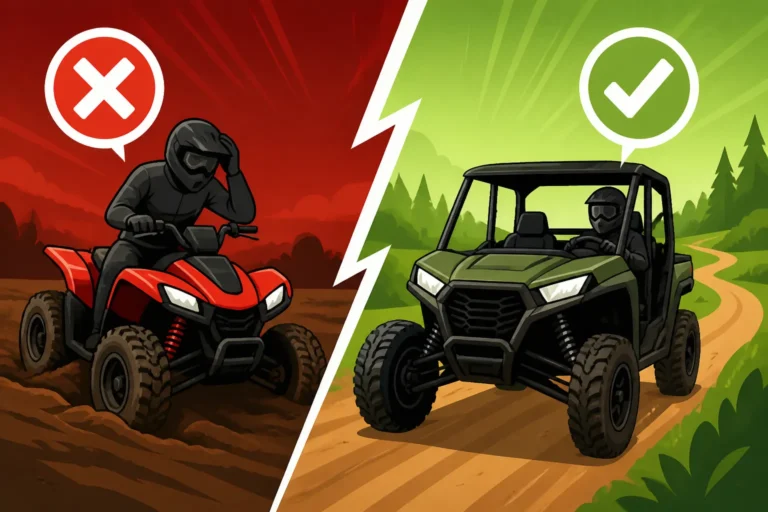
Think about what your ATV or UTV goes through on a typical ride: sudden accelerations, jarring bumps, sharp turns, dust clouds, and varying temperatures. Now imagine experiencing all of that from a dog's perspective. The constant vibration can be disorienting and uncomfortable, potentially leading to motion sickness or anxiety. A sudden jolt might throw an unsecured dog from the machine, leading to serious injury or getting lost. Dust and flying debris can irritate their eyes and respiratory system. The intense heat of an Alabama summer day, especially on a black seat or within an enclosed carrier without proper ventilation, can quickly lead to dangerous overheating. Conversely, chilly winds in the cooler months can cause hypothermia for breeds not accustomed to it. Furthermore, your dog's natural instincts—like chasing after a squirrel or barking at another rider—could distract you, the operator, leading to a loss of control. It's a lot more than just a bumpy ride; it's a sensory overload coupled with physical demands that most pets aren't naturally equipped to handle without help.
Understanding Alabama's Stance (or Lack Thereof) on Pets and ATVs
When it comes to specific laws governing how you can transport a pet on an ATV or UTV, Alabama, like many states, doesn't have a detailed statute dictating the exact harness, crate, or method you must use. The state's off-road vehicle statute primarily focuses on operator age, helmet requirements, and where you can legally ride, rather than pet specifics. This lack of explicit regulation, however, doesn't mean you're free to do whatever you want. Instead, it places the full burden of responsibility squarely on your shoulders as the owner. You're expected to use common sense, prioritize safety, and prevent your pet from becoming a hazard to themselves, you, or others. This often falls under general animal cruelty or reckless endangerment laws if something goes wrong. While there isn't a specific code saying, "Thou shalt not carry Fido on the rack," ignoring basic safety could still lead to fines, citations, or worse. The overarching principle is ensuring the animal's well-being and preventing them from interfering with the safe operation of your machine. For more general guidelines, you might check out [Alabama Rules for Riding With a Dog] for context, but remember, the specifics of pet transport are largely up to your good judgment.
Essential Gear and Setup for Canine Co-Pilots
Once you've wrapped your head around the unique challenges, the next step is preparation. You wouldn't hit the trails without your own helmet and proper riding gear, and your dog deserves the same level of attention to safety. This isn't just about comfort; it's about minimizing risks and ensuring that if an unexpected bump or sudden stop occurs, your dog remains secure and protected.
Secure Crates, Carriers, and Restraints
The absolute cornerstone of safe dog transport on an ATV or UTV is a secure method of restraint. Simply letting your dog sit on the seat or in the cargo bed is an accident waiting to happen. For smaller to medium-sized dogs, a sturdy, well-ventilated travel crate or hard-sided carrier is often the best option. Look for models made from durable plastic or aluminum that can withstand the rigors of off-road use. The carrier should be large enough for your dog to stand up, turn around, and lie down comfortably, but not so large that they can be jostled excessively within it. Ventilation is key, especially in Alabama's climate, so ensure there are plenty of openings, preferably on multiple sides, but not so large that paws or noses can slip through.
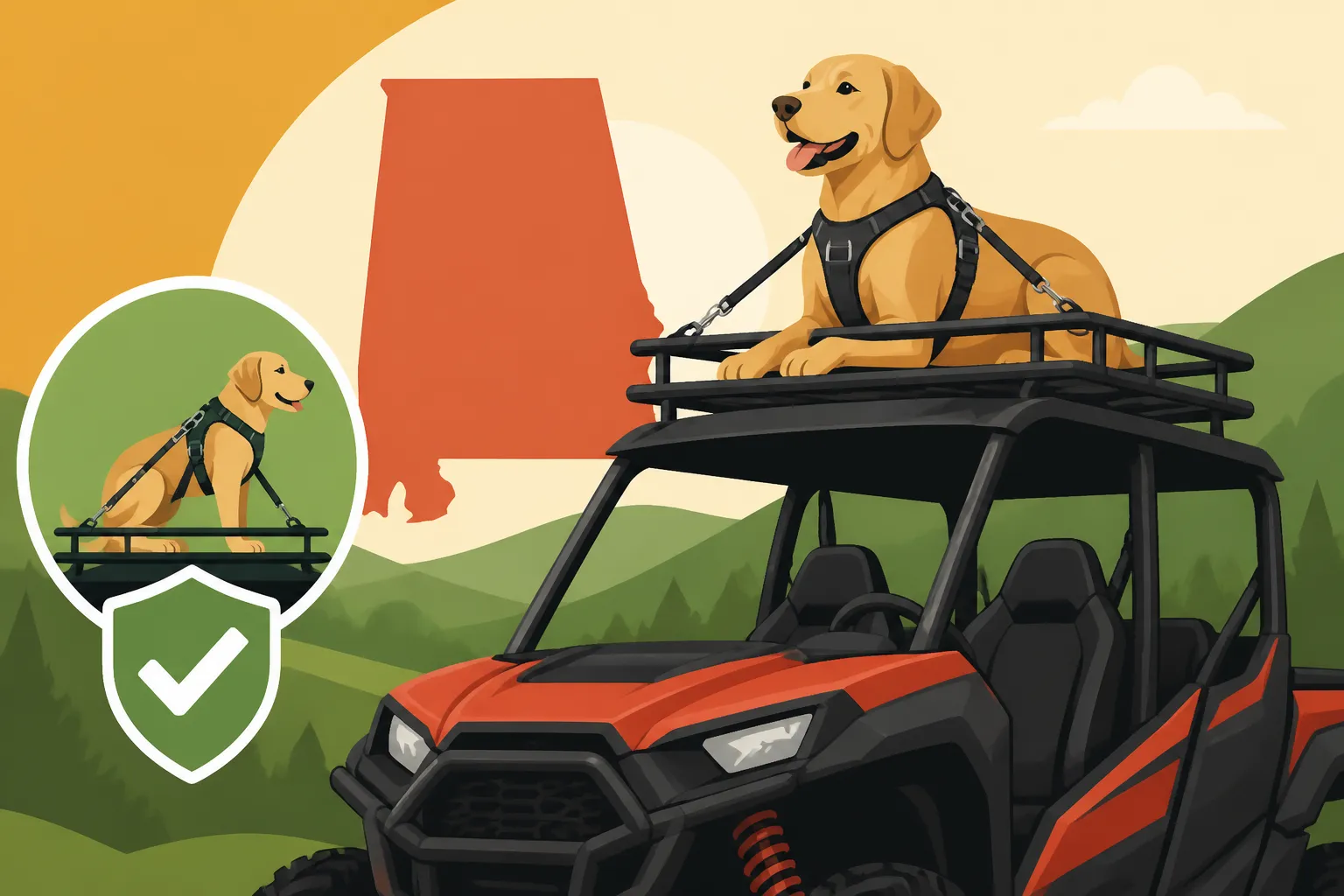
Once you have the carrier, the critical step is securing it firmly to your ATV's rack or UTV's cargo bed. This means using heavy-duty straps, bungee cords, or a cargo net designed for off-road use. Don't skimp here; cheap straps can fail, leading to disaster. Cross-tie your straps in multiple directions to prevent shifting. Many riders find that a strong, flat cargo rack or even a cargo box with integrated tie-down points provides the most stable platform. Companies like SuperATV offer a range of cargo boxes and secure mounting solutions designed for UTVs that can be adapted for a dog carrier, providing a robust and stable base for your pet's transport. Always double-check that the carrier cannot slide, lift, or tip, even over rough terrain. For larger dogs that might not fit in a traditional carrier, a secure harness attached to a short lead and a heavy-duty anchor point in the cargo bed of a UTV can work, but this requires even more careful supervision and introduces greater risk of injury if the dog tries to stand or jump.
Protection from the Elements and Terrain
Beyond just securing your dog, you need to think about their physical protection from the environment.
- Eye Protection (Doggles): Just like you wear goggles, your dog needs eye protection. Dust, dirt, flying debris, and even low-hanging branches are major hazards for a dog's eyes. Invest in a good pair of "doggles" that fit snugly and don't obscure their vision too much. Introduce them gradually and ensure your dog is comfortable wearing them before hitting the trail.
- Paw Protection (Boots): Hot pavement, sharp rocks, thorns, and rough trails can be brutal on sensitive paw pads. Dog boots can protect against abrasions, cuts, and extreme temperatures. Again, proper fit is crucial; loose boots can fall off, and overly tight ones can be uncomfortable.
- Vests and Apparel: In colder weather, a warm dog coat can prevent hypothermia, especially for short-haired breeds. In direct sun, a light, breathable cooling vest or simply ensuring shade within the carrier can help prevent overheating. A bright-colored vest can also significantly increase your dog's visibility to other riders, which is always a good idea, particularly if they are ever outside the machine.
- Sunscreen: Don't forget sunscreen for areas with sparse fur, like noses or ear tips, especially for light-colored dogs. Use pet-safe formulations.
Building a Comfortable and Safe Space
Even with the right gear, your dog's space needs to be comfortable and inviting. Line their carrier with soft, washable bedding that offers some cushioning against vibrations. A favorite blanket or toy can help reduce anxiety.
- Hydration: Always have fresh water readily available. A spill-proof bowl or a water bottle designed for pets (like one with an attached cup) is essential. Offer water frequently, especially on hot days.
- Shade: If riding on an open ATV rack, ensure the carrier has adequate shade from direct sunlight. A UTV's roof provides built-in shade, which is one of their advantages. Overheating is a serious concern, especially when riding in Alabama's summer heat. Monitor your dog closely for signs of distress, such as excessive panting, drooling, or lethargy. Knowing when to take a break or even turn back is a crucial part of responsible pet ownership on the trails.
Here's a quick look at some essential gear:
| Gear Item | Purpose | Key Considerations | Brand Example (Generic) |
|---|---|---|---|
| Hard-Sided Carrier | Secure transport, protection from elements/debris | Durable construction, proper sizing, ample ventilation, secure tie-down points | Petmate, Ruff Land |
| Heavy-Duty Straps | Securing carrier to ATV/UTV | Ratchet straps or cam buckle straps, UV resistant, strong webbing, multiple tie-down points for stability | SuperATV, Rhino USA |
| Doggles | Eye protection from dust, debris, sun | Snug fit, comfortable, UV protection, adjustable straps | Rex Specs, Doggles |
| Dog Boots | Paw protection from hot surfaces, sharp objects | Durable sole, breathable fabric, secure closure, proper sizing | Ruffwear, Kurgo |
| Cooling Vest/Pad | Prevents overheating in hot weather | Evaporative cooling, non-toxic materials, good fit | Hurtta, Chilly Dog |
| Spill-Proof Water Bowl | Hydration on the go | Weighted base, lid, or collapsible design to prevent spills during motion | Highwave, KONG |
| Secure Harness/Leash (UTV) | Restraint for larger dogs in UTV cab | Crash-tested, comfortable, attaches to vehicle's seatbelt anchor, short lead to prevent excessive movement | Kurgo, Sleepypod |
Training Your Dog for the Trail and Safe Riding Practices
Even with the best gear, a dog unaccustomed to the unique environment of an ATV or UTV can become stressed, anxious, or even dangerous. Successful trail riding with your dog isn't just about the equipment; it's about preparation, patience, and a deep understanding of your dog's temperament and limits. This is where gradual training and consistent safe practices come into play, making sure the experience is positive for everyone involved.
Gradual Introduction and Positive Reinforcement
You wouldn't jump into a marathon without training, and your dog shouldn't be expected to instantly adapt to ATV riding. The key is a slow, methodical introduction using positive reinforcement.
- Introduce the Machine: Start by simply letting your dog sniff around the parked ATV or UTV. Reward calm behavior with treats and praise. Let them explore it at their own pace.
- Engine Noise Desensitization: Once comfortable with the machine itself, start the engine for short periods. Keep your dog at a safe distance initially, rewarding them for remaining calm. Gradually bring them closer as they get used to the noise and vibrations. Never force them; if they show signs of fear, back off and try again later.
- Introduce the Carrier/Restraint: Before ever moving, get your dog used to their crate, carrier, or harness. Make it a positive space with toys and treats. Practice securing them in it for short periods in a stationary vehicle, gradually increasing the duration.
- Short, Slow Rides: Begin with very short, slow rides on flat, smooth terrain, such as your driveway or a flat pasture. Keep the speed low and the movements gentle. Pay close attention to your dog's body language. Are they panting excessively? Whining? Trying to escape? These are signs of stress.
- Gradual Increase in Duration and Terrain: If initial rides go well, slowly increase the duration and introduce slightly rougher terrain. Always keep initial rides short and end on a positive note. The goal is to build positive associations with the ATV experience. Remember, not every dog is suited for this, and recognizing when it's just not working is a sign of responsible pet ownership.
The Importance of Regular Breaks and Hydration
Riding an ATV or UTV can be physically and mentally taxing for a dog, especially in Alabama's varying climates. Just like you need a stretch and a drink, your dog does too.
- Frequent Stops: Plan to stop more frequently than you might if riding alone. These breaks allow your dog to stretch their legs, relieve themselves, and decompress from the constant motion and noise.
- Hydration is Non-Negotiable: Always carry plenty of fresh water. Offer water at every stop, and even during short pauses if it's particularly hot. Dogs can dehydrate quickly, especially when panting from excitement, heat, or stress. If you're riding in conditions like those described in [Alabama Riding in Summer Heat], hydration becomes an even more critical priority.
- Check for Signs of Stress or Injury: Use breaks to check on your dog. Look for signs of overheating (excessive panting, red gums, lethargy), paw injuries if they've been walking, eye irritation, or general signs of stress (tucked tail, flattened ears, trembling). If you see any concerning symptoms, it's time to re-evaluate the ride.
- Snacks: Small, high-value treats can be a good motivator and energy booster during breaks, but don't overfeed, especially if they are prone to motion sickness.
Emergency Preparedness on the Trail
Accidents happen, even with the best intentions. Being prepared for an emergency involving your pet is paramount.
- Pet First Aid Kit: Assemble a specialized first aid kit for your dog. This should include items like bandages, antiseptic wipes, sterile saline solution (for eyes), tweezers (for splinters/ticks), vet wrap, pain relief specifically formulated for dogs (consult your vet first), and any necessary personal medications for your pet.
- Veterinary Contacts: Carry a laminated card with your veterinarian's contact information and the number for the nearest emergency veterinary clinic along your planned route, if you know it.
- Identification: Ensure your dog has up-to-date ID tags on their collar and is microchipped. If they get lost, this is their best chance of being returned to you.
- Practice Basic Commands: Your dog should have a solid grasp of basic commands like "sit," "stay," "come," and "leave it." These can be critical for their safety, especially if you need them to stay put while you secure something or retrieve them from a potentially dangerous situation.
- Carrying Your Dog: Know how you would safely carry your injured dog back to your vehicle if needed. This might involve a specialized pet sling or blanket.
Alternatives to Riding on the Rack and When to Leave Fido Home
While the image of a dog riding shotgun on an ATV might seem iconic, it's often not the safest or most comfortable option. For many dogs and riding scenarios, there are better alternatives, and sometimes, the best decision is to leave your furry friend at home where they are safe and sound. Responsible pet ownership means knowing when to prioritize their well-being over your desire for companionship on the trail.
UTV Cab Considerations
For many dog owners, especially those with larger breeds or multiple dogs, a Utility Task Vehicle (UTV), often called a side-by-side, offers a significantly safer and more comfortable environment than a traditional ATV. The enclosed or semi-enclosed cab of a UTV provides several distinct advantages:
- Increased Protection: The roll cage, doors, and roof of a UTV offer much better protection from rollovers, flying debris, and the elements compared to an open ATV rack. Your dog is less exposed to dust, sun, and potential impacts.
- More Secure Space: A UTV's cargo bed or floorboard typically provides a more stable, flatter surface for a crate or a securely harnessed dog. With multiple tie-down points, you can often achieve a much more stable setup. Some UTVs even have dedicated pet carriers that fit perfectly into the cargo area. SuperATV, for instance, offers various UTV accessories, including bed extenders and cargo management systems, that can help create a customized, secure space for a dog crate within the UTV's bed, ensuring it's locked down tightly.
- Reduced Exposure: Inside the cab, your dog is better shielded from wind, noise, and direct sunlight, reducing stress and the risk of eye or skin irritation.
- Easier Monitoring: Having your dog inside the cab (even if in a crate) makes it much easier for you to monitor their condition, offer water, and provide reassurance during the ride.
- Passenger Space: Some UTVs are designed to comfortably seat multiple passengers, and a well-behaved dog might ride harnessed on the floorboard or on a seat specifically protected for pets, allowing for more interaction and less isolation than being on an external rack. However, always prioritize the driver's ability to operate the vehicle safely without distraction.
While UTVs generally offer a better environment, remember that the same principles of secure restraint, hydration, and gradual introduction still apply. For more information on UTV specifics, you might look into [Alabama ROV Width and Weight Limits] to understand how UTVs are classified and what that means for your riding experience.
Recognizing When It's Not a Good Idea
Despite all the planning and gear, some dogs just aren't cut out for ATV or UTV riding, and some situations make it irresponsible. It's crucial to be honest with yourself about your dog's temperament and the conditions.
- Anxious or Fearful Dogs: If your dog shows persistent anxiety, fear, or stress around the machine, its noise, or movement, forcing them into the situation is unfair and potentially harmful. Some dogs prefer quiet environments, and the loud, bumpy, dusty trail is simply too much for them.
- Elderly or Health-Compromised Dogs: Older dogs, or those with joint issues, heart conditions, respiratory problems, or other health concerns, are not good candidates for ATV rides. The vibrations, jolts, and physical demands can exacerbate their conditions.
- Puppies: Young puppies are still developing physically and emotionally. Their bones and joints are delicate, and they haven't had all their vaccinations. The risks far outweigh any potential benefits of early exposure.
- Extreme Weather Conditions: Alabama summers can be brutally hot and humid. Even with cooling gear and ample water, the risk of heatstroke for your dog is very real. Conversely, extreme cold can also be dangerous. If the weather conditions are harsh, it's best to leave your dog at home. You can find more information about how weather affects riding in [Alabama Riding Season Considerations].
- Aggressive or Unpredictable Dogs: If your dog is prone to aggression or has an unpredictable temperament, introducing them to an exciting, potentially stressful environment with other people or dogs around is a recipe for disaster.
- Lack of Control: If your dog isn't well-trained in basic obedience and you can't guarantee they'll stay put and be quiet when necessary, they pose a distraction risk to you and a danger to themselves.
- Unfamiliar or Challenging Trails: If you're heading to a new, particularly rough, or technically challenging trail, it's best to go solo first. Adding the responsibility of a pet to an already demanding ride is asking for trouble.
Ultimately, the decision to bring your dog along should always be made with their best interest at heart. Sometimes, the most loving thing you can do for your canine companion is to ensure they're safe and comfortable at home, eagerly awaiting your return, rather than putting them in a situation they can't handle.
Disclaimer
This article is for general informational purposes only and does not constitute professional advice. Laws, prices and regulations vary by location and change over time. Consult a qualified professional for guidance on your specific situation.