Alabama Rules for Riding a Levee
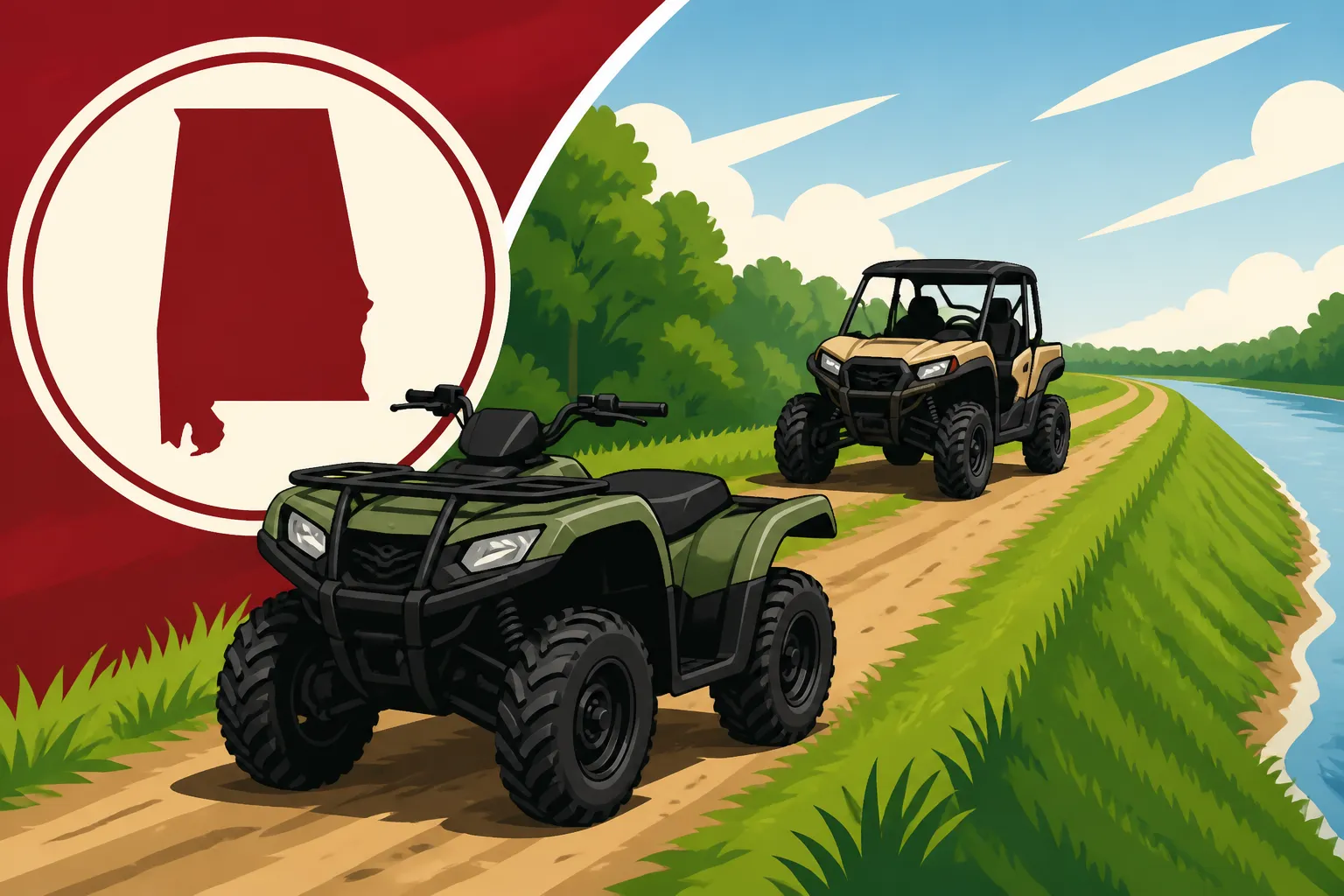
Riding your ATV or UTV out in the Alabama countryside often means exploring all sorts of terrain, and the thought of cruising along a levee can be really appealing. It offers open views, a clear path, and often access to prime hunting or fishing spots. However, what looks like a wide-open path can actually be a legal minefield, leading to trespass charges, fines, or even having your machine impounded. This guide is here to untangle the complexities of riding your off-road vehicle on Alabama levees, helping you understand the rules and avoid trouble.
Understanding Levees and Their Ownership in Alabama
Before you even think about putting tires on a levee, it’s crucial to understand what these structures are and, more importantly, who owns or manages them. Many riders, with good intentions, simply see an inviting dirt path and assume it’s fair game, only to discover they've strayed onto private or restricted land.
What Exactly Is a Levee?
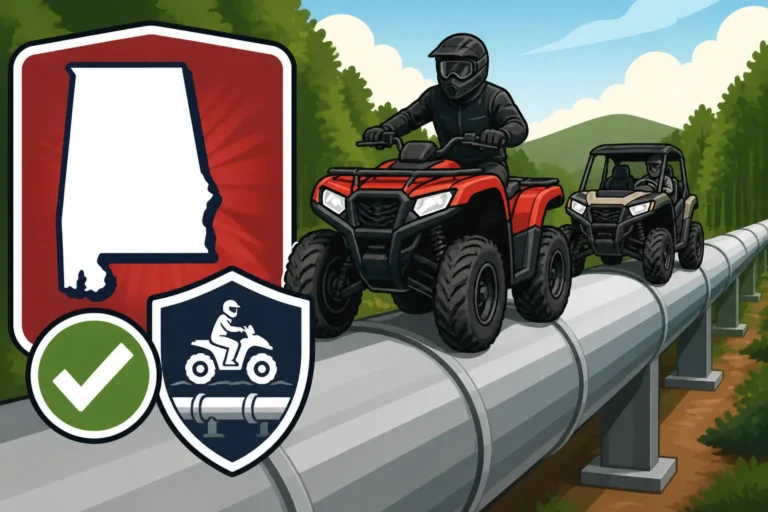
In Alabama, a levee is essentially an embankment built to prevent the overflow of a river, lake, or other body of water. They're critical infrastructure, especially in our low-lying areas and along major river systems like the Alabama River, Tombigbee, or the Tennessee River. These structures aren't just for flood control; sometimes they create boundaries for agricultural fields, provide elevated access through marshy areas, or protect valuable property.
The type of levee can vary wildly. Some are massive, engineered structures built by federal agencies, while others might be smaller, more informal dirt berms maintained by local farmers to protect their crops. You might find them bordering vast tracts of farmland, winding through timber company holdings, or even skirting the edges of private hunting clubs. They often look like perfect, elevated trails, offering a vantage point and a clear run, which is why they're so tempting for ATV and UTV riders. But this very appeal hides a crucial fact: they are almost always part of a larger land management or ownership plan.
Who Owns or Manages Alabama's Levees?
This is where the rubber meets the road, quite literally. The ownership or management of a levee is the single most important factor in determining whether you can legally ride your ATV or UTV on it. Assuming a levee is "public" just because it's out in the open is a common and costly mistake.
Many of Alabama's larger, more substantial levees are managed by the U.S. Army Corps of Engineers (USACE). These are federal assets, and they come with very strict rules regarding public access and vehicle use. The primary purpose of these levees is flood protection, and unauthorized vehicle traffic can compromise their structural integrity, lead to erosion, or interfere with maintenance operations. Then you have levees managed by state agencies, often related to water management districts, or even local county authorities for specific agricultural or community protection needs. Their rules can vary, but generally, they are also highly restrictive.
Beyond governmental entities, a significant number of levees, especially the smaller ones, are on private land. These might be built and maintained by individual farmers to protect their fields, by timber companies for forestry operations, or by hunting clubs to access remote areas of their leased or owned property. In these cases, the levee is unequivocally private property, and riding on it without explicit permission is a clear act of trespassing. Knowing who the managing body or private landowner is, and respecting their regulations, is the first step in responsible riding.
The Legal Landscape: Why Riding on Levees is Tricky
You might think, "What's the harm? It's just dirt!" But Alabama law, property rights, and specific regulations for critical infrastructure mean that riding your machine on a levee can land you in serious legal hot water. The seemingly innocuous act can quickly escalate into a legal problem, and ignorance of the law is rarely an accepted excuse.
Alabama's Trespass Laws and Levees
Let's be absolutely clear: if a levee is on private property, riding your ATV or UTV on it without permission is trespassing. Alabama's trespass laws are designed to protect landowners' rights, and they don't differentiate between someone walking onto land and someone riding an off-road vehicle. Many rural areas in Alabama, including those with extensive levee systems, have "posted land" clearly marked with signs or even distinctive purple paint on fence posts and trees, indicating that entry is prohibited without permission. Even if there are no signs, if the land is not clearly public, you must assume it is private.
The consequences of trespassing can range from a verbal warning to a citation, significant fines, or even the impoundment of your ATV or UTV. Imagine having your valuable machine seized because you didn't realize you were on someone else's property! Landowners are often vigilant about protecting their levees, not just from joyriding but also from potential damage that could undermine the structure or lead to erosion, impacting their crops or land. They may have gates, locks, and even surveillance cameras in place. Ignoring these signs or circumventing barriers is a surefire way to get yourself into deep trouble. It's not just a matter of "getting caught"; it's about respecting property rights and the legal framework that protects them.
Public vs. Private Use Designations and Levees
Even when a levee appears to be on what seems like "public" land, that doesn't automatically mean it's open for ATV and UTV use. There's a critical distinction to be made between general public access and specific designations for off-road vehicle use. Just like a paved road might be public but not permit dirt bikes, a levee might be part of a public land system, yet restricted for ATVs. The principles outlined in [Alabama Public Use Versus Private Use] are highly relevant here.
Many federal and state agencies, such as the U.S. Army Corps of Engineers, specifically prohibit motorized vehicles on levees under their jurisdiction. This isn't just to keep people out; it's often due to concerns about structural integrity. The weight and churning tires of off-road vehicles can damage the levee's surface, contribute to erosion, or compact the soil in ways that compromise its ability to hold back water. Such damage could have catastrophic consequences in a flood event. Federal regulations often explicitly ban vehicles to ensure these vital structures remain sound.
Similarly, if a levee runs through a Wildlife Management Area (WMA) or other state-managed natural areas, it will likely fall under [Alabama WMA Riding Rules]. These rules are highly specific and vary by area, but it's very rare to find a WMA that permits general ATV or UTV riding on levees outside of designated trails, if at all. These areas are managed for conservation, hunting, and specific recreational activities, and motorized vehicles are typically confined to established roads or trails to minimize environmental impact. The takeaway is this: always verify the specific rules for any public land you wish to ride on, and never assume a levee is an open invitation.
Practical Advice for Alabama Riders Wanting to Use Levees
Navigating the rules for riding on Alabama levees can feel like a maze, but with a bit of foresight and adherence to some best practices, you can enjoy our beautiful outdoors responsibly. The key is to be proactive, informed, and respectful of both the land and its owners.
Getting Permission: Your Safest Bet
Seriously, this is the golden rule. If you want to ride on a levee, whether it's on private land or managed by an agency, your absolute safest and most responsible course of action is to obtain explicit permission. For private landowners, this means a direct conversation. Explain what you want to do, when, and for how long. Be clear about your intentions – are you scouting for hunting, fishing access, or just enjoying a ride? Many landowners are reasonable, especially if you approach them with respect and a clear understanding of their concerns.
It's highly advisable to get this permission in writing. A simple, signed note from the landowner stating the dates, specific area, and allowed activities can save you a world of trouble if you encounter a game warden, sheriff's deputy, or another concerned citizen. Always carry this written permission with you when you ride. If you're looking at a levee managed by a federal or state agency, you'll need to contact their local district office or land management division. For example, for Army Corps of Engineers levees, you'd contact the appropriate USACE district office. They might have specific permit processes or simply inform you that vehicle access is prohibited. Don't just assume; make the call or send the email. This step, while it might seem like a hassle, is the most crucial way to ensure you're riding legally and without risking penalties like those covered in [Alabama Penalties for Illegal Road Riding].
Identifying What You're Riding On
Before you even load up your machine, do your homework! It's surprising how many riders simply follow a friend or an old track without ever knowing whose land they're on. Start by consulting county tax assessor's maps, which are often available online, to identify land ownership. These maps can show property lines and help you determine if a levee is on private or public land. Satellite imagery from mapping applications can also provide valuable clues, showing access roads, gates, or specific land uses that might indicate ownership or management.
When you're out in the field, look for visible cues. Is there a fence line? A locked gate? Signs indicating "No Trespassing" or "Private Property"? Even subtle signs like distinct agricultural fields on either side of a levee can hint at private ownership. Don't rely on the absence of a "No Trespassing" sign as an invitation; in Alabama, unposted private land is still private. If you're uncertain, err on the side of caution and find another place to ride. For areas within city or county limits, remember that [Alabama Local Ordinances on ATV Riding] can add another layer of complexity. Always be observant and proactive in determining exactly what type of land you're about to ride on.
Equipment Considerations for Levee Riding
While the legal aspects are paramount, considering your equipment for levee riding is also practical. Levees are typically built with packed dirt or clay and often covered in grass. This means traction can vary significantly, especially after rain, and the shoulders can be surprisingly soft. Choosing the right tires for your ATV or UTV can make a big difference in stability and preventing damage to the levee itself. All-terrain tires with a good tread pattern will offer better grip than aggressive mud tires, which might tear up the grassy surface.
It's also a good idea to ensure your machine is well-maintained. Riding on uneven surfaces, even seemingly smooth levees, can put stress on your suspension and drivetrain. Carrying essential tools, a tire repair kit, and maybe even a small first-aid kit is always wise. If you're venturing into remote areas, a winch can be a lifesaver if you find yourself stuck in a soft spot or if a levee gives way slightly. Brands like SuperATV offer a wide range of aftermarket accessories, including winches and skid plates, that can prepare your machine for diverse terrains and unexpected challenges. Always prioritize responsible riding by sticking to the center of the levee, maintaining a safe speed, and being mindful of your surroundings to prevent erosion or damage to the structure itself.
Here’s a quick overview of levee types and general access:
| Levee Type | Typical Ownership/Management | General Access Rule for ATVs/UTVs | Key Consideration for ATV/UTV Use |
|---|---|---|---|
| Federal (e.g., Army Corps of Engineers) | U.S. Army Corps of Engineers | Generally restricted/prohibited | Preservation of structure, environmental protection; specific permits rare. |
| State/Local Water Management | State Agencies, Water Districts, Counties | Varies, often restricted or by specific permit | Flood control, agricultural access, liability; always check with local authority. |
| Private Farm/Hunting Club | Individual Landowners, Businesses | Permission absolutely required | Trespass laws, property damage, privacy; written permission is paramount. |
| Timber Company Land | Large Timber Corporations | Varies, often restricted or gated | Timber operations, liability concerns; written permission is essential, often denied. |
Remember, your best defense against legal issues and potential fines is to be educated and respectful. Riding responsibly means doing your homework, securing permission, and choosing the right places to enjoy your off-road machine in Alabama.
Disclaimer
This article is for general informational purposes only and does not constitute professional advice. Laws, prices and regulations vary by location and change over time. Consult a qualified professional for guidance on your specific situation.