Alabama Riding a Pasture
Riding your ATV or UTV across a wide-open Alabama pasture can feel like the epitome of freedom, whether you're tending to farm duties or just enjoying the landscape. However, the seemingly simple act of riding on your own, or a friend's, private land actually comes with its own set of considerations and responsibilities that often get overlooked. This guide will help you understand everything from the legal nuances to the practicalities of maintaining your machine and the land, ensuring your pasture rides are safe, legal, and enjoyable for everyone involved.
Understanding the Legal Landscape for Private Land
When you think about ATV and UTV rules, your mind probably jumps to public trails, state parks, or even city ordinances about road use. But what about the wide-open spaces of a private pasture in Alabama? While it might seem like "anything goes" on your own property, there are still important legal and ethical considerations to keep in mind, especially if you're not the sole owner or if your land borders others.
Private Property Rights and ATV Use
The good news is that generally, on your own private land in Alabama, you have a considerable amount of freedom regarding how you use your ATV or UTV. State statutes governing things like registration, helmet requirements, or age limits often specifically differentiate between public lands and private property. This means that many of the regulations you'd encounter at a public OHV park or on a designated state trail don't necessarily apply when you're just cruising across your back forty.
However, "generally" isn't "always." While the bulk of state law focuses on public access, it's not entirely out of the realm of possibility for a local city or county to have some very specific ordinance that could impact even private property use, especially if it relates to noise or nuisance. These are rare for purely agricultural or rural areas but worth a quick check with your county commission office if you have any doubts. Most importantly, as the landowner, you bear a significant responsibility for safety. If you allow others to ride on your property, you assume a certain level of liability, making clear safety rules and waivers a smart move.
Permission and Posted Land
Riding on a pasture that isn't yours is a whole different ballgame. The golden rule here is simple: always, always get explicit permission from the landowner before you even unload your machine. This isn't just common courtesy; it's a legal necessity. Trespassing with an ATV or UTV, even if it feels like a harmless ride through an empty field, can lead to serious legal consequences and definitely sour neighborly relations.
Alabama has clear laws regarding [Posted Land and Purple Paint in Alabama], which visually mark property boundaries where entry is prohibited without permission. If you see purple paint on trees or fence posts, or "No Trespassing" signs, those are clear indicators to stay out. Even if there are no signs, assuming a field is abandoned or open for riding is a dangerous gamble. It's always best to have written permission, especially if you plan to be there regularly or if the owner isn't present during your ride. A simple note or agreement can prevent a lot of headaches, and getting [Alabama Landowner Permission Letters] in writing is a smart practice for everyone involved.
When a Pasture Blurs with Public Access
Sometimes, the lines aren't as clear as a fence row. You might own a pasture that has a public easement running through it, or perhaps a county road cuts right across a corner of your property. Maybe your pasture borders a public road with no clear demarcation, or you share a common access point with a neighbor. In these situations, the seemingly private nature of your ride can quickly become complicated.
It's absolutely crucial to be aware of your property boundaries and understand where private land ends and public access begins. Accidentally crossing onto an easement that's technically a public right-of-way, or veering onto a neighbor's property without permission, can instantly change your legal standing from a private recreational rider to a trespasser or even an illegal road user. Always consult property maps, survey markers, and discuss boundaries with neighbors. Familiarize yourself with [Alabama Trespass Law for Riders] to ensure you're always on the right side of the fence. A little research upfront can save you from a lot of trouble down the line.
Operational Considerations for Pasture Riding
Riding on a pasture is different from a groomed trail or a muddy pit. The terrain, your machine's condition, and your awareness of the environment all play crucial roles in a safe and enjoyable experience. What might seem like a simple spin can actually put unique stresses on your machine and the land itself.
Machine Suitability and Maintenance
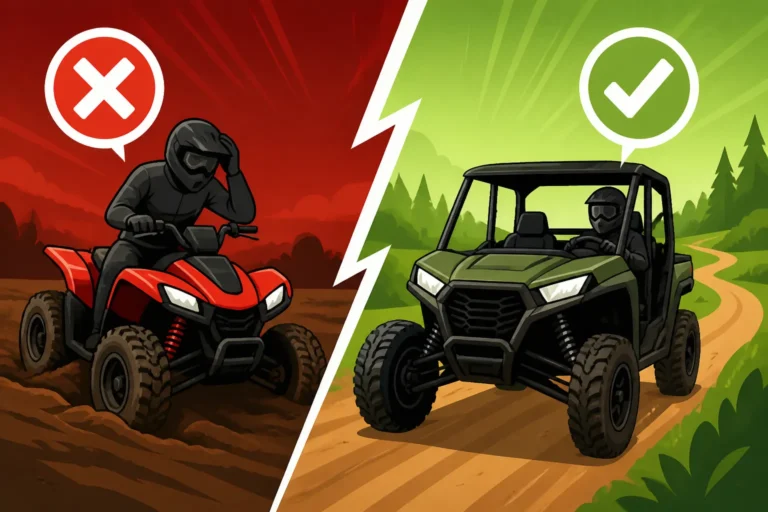
Not all ATVs and UTVs are created equal, and what works beautifully on a wide-open gravel road might struggle or even cause damage in a soft, grassy pasture. Utility-focused UTVs, with their cargo beds and lower gearing, are often ideal for farm tasks like checking fences or hauling feed. Sport quads, while thrilling, might be overkill and even more prone to causing ruts on delicate turf. Consider the specific tasks and terrain you'll encounter. Tall grass, unseen holes, and soft ground can quickly wear down parts.
Regular maintenance becomes even more critical when riding in conditions that stir up dust and debris. Air filters clog faster, especially if you're kicking up a lot of dry pasture dust. Tires can take a beating from sharp rocks hidden in the grass or repetitive turning on soft soil. Keeping up with your [Alabama Maintenance Costs Per Year] isn't just about saving money; it's about ensuring your machine is reliable when you need it most. And remember, a [Does Alabama Require a Spark Arrestor on an ATV?] is typically a requirement for any off-road machine, and it's especially important in dry pasture settings to prevent accidental fires.
Environmental Impact and Land Stewardship
One of the biggest responsibilities of riding on a pasture, whether it's your own or someone else's, is to be a good steward of the land. It's easy to cause damage without even realizing it. Aggressive riding, sharp turns, or excessive speed, especially in wet conditions, can lead to deep ruts that destroy grass, compact soil, and create erosion problems. This is particularly true on Alabama's notoriously soft red clay.
Think about how your riding impacts the land. Avoid sensitive areas like creek banks, drainage ditches, or freshly planted sections. Be mindful of livestock; startling animals can cause them stress or injury. If the pasture is also used for hay, ruts can damage equipment during harvest. Practice [Treading Lightly on Erodible Alabama Clay] by choosing your lines carefully, avoiding overly wet spots, and slowing down when necessary. The goal is to leave the pasture looking as good, or better, than you found it.
Safety Practices in an Open Field
An open pasture might look benign, but it can hide a multitude of hazards that can catch even experienced riders off guard. Tall grass can conceal rocks, stumps, fence wire, gopher holes, or unexpected dips and rises. What looks like a smooth, green carpet from a distance can quickly become an obstacle course up close. Always scan the terrain ahead, especially if you're venturing into unfamiliar parts of the field.
Visibility can also be a challenge. Dust clouds kicked up by a group ride, or the low angle of the sun, can reduce your ability to see hazards. Always wear appropriate safety gear, including a helmet, even if [Alabama Helmet Rules on Private Land] might not legally mandate it. Eye protection is crucial to shield against dust, insects, and low-hanging branches. Consider taking one of the many [Alabama Safety Course Options] available; these courses teach valuable skills like hazard identification and proper braking techniques that are just as applicable in a pasture as they are on a dedicated trail.
Specific Use Cases for Pasture Riding
Pastures aren't just for grazing cattle; they're versatile landscapes that offer a unique environment for ATV and UTV use. From daily farm operations to weekend recreation, understanding the specific applications can help you maximize your machine's utility and ensure you're following any relevant guidelines.
Farm and Ranch Operations
For many Alabama landowners, an ATV or UTV is an indispensable tool for managing their farm or ranch. These machines excel at tasks that would be difficult or time-consuming on foot or with a larger tractor. Imagine checking miles of fence lines for breaks, quickly moving small groups of livestock from one paddock to another, or spraying weeds in hard-to-reach corners of a field. Their agility and ability to traverse uneven terrain make them perfect for these kinds of jobs.
Utility ATVs and side-by-sides with cargo beds are especially useful for hauling buckets of feed, tools for minor repairs, or even a small sprayer. When using your machine primarily for agricultural purposes, it's worth exploring if [Alabama Registration for a Farm Machine] applies to you. While voluntary, understanding the farm-use designation can sometimes come with specific considerations, especially regarding road crossings, as detailed in [Alabama Farm Use and Road Riding]. For farmers and ranchers looking to enhance their machine's utility, accessory brands like SuperATV offer a range of solutions, from heavy-duty cargo racks and bed extenders to specialized sprayers and even winches that can pull out a bogged-down implement or clear fallen branches. These additions can make your ATV or UTV an even more effective workhorse on the farm.
Recreational and Hunting Use
Beyond work, Alabama pastures offer fantastic opportunities for recreation. Many owners enjoy simply riding for pleasure, taking in the scenery, or exploring remote corners of their property. For hunters, ATVs and UTVs are invaluable for accessing deer stands, checking trail cameras, or [Alabama Game Retrieval by Machine] after a successful hunt. The ability to navigate dense undergrowth or muddy trails to reach your spot quietly and efficiently is a huge advantage.
When using your machine for hunting, it's important to do so responsibly. Always follow ethical hunting practices and be aware of your surroundings. If you're carrying firearms, understand the [Alabama Rules for Carrying a Rifle] on your machine, ensuring they are secured and safely transported. And if your faithful hunting companion, your dog, rides along, make sure you know the [Alabama Rules for Riding With a Dog] to keep them safe. For hunters who need to carry extra gear, specialized storage solutions such as gun boots, secure cargo boxes, or even lifted suspensions from a brand like SuperATV can significantly improve access and carrying capacity on rough hunting terrain, ensuring you're prepared for whatever the hunt brings.
Property Management and Maintenance
Even if you're not farming, owning a large pasture means ongoing property management. An ATV or UTV can be a game-changer for these tasks. Think about clearing brush, hauling fallen tree limbs, or spreading grass seed in bare spots. Their ability to go places a truck can't, and their greater speed compared to walking, makes them incredibly efficient.
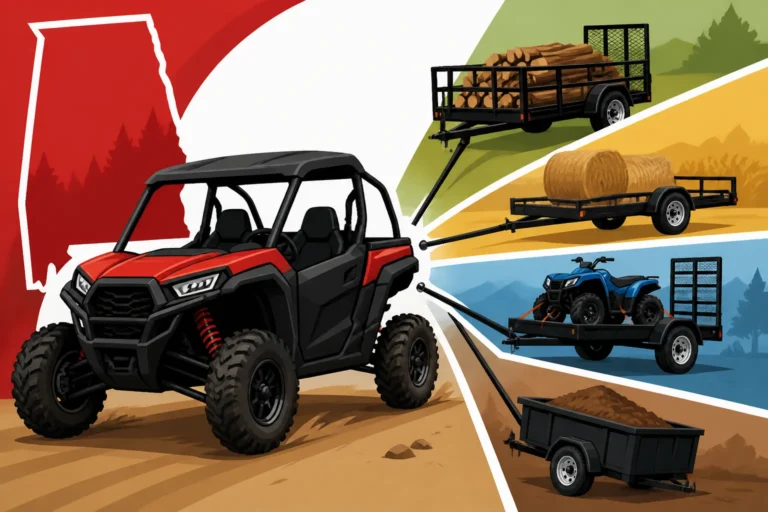
UTVs, in particular, shine here due to their larger cargo capacity and ability to [What You Can Tow Behind a Side-by-Side], whether it's a small utility trailer, a broadcast spreader, or even a drag harrow for leveling out ruts. They make quick work of tasks that might otherwise require a full-sized truck or a lot of manual labor. From routine inspections to specific maintenance projects, your off-road machine can be the ultimate tool for keeping your pasture in top condition.
Navigating Potential Challenges and Best Practices
While riding your ATV or UTV on a private Alabama pasture offers immense freedom and utility, it's not entirely without its complexities. From managing relationships with neighbors to protecting yourself financially, there are several challenges to navigate. By adopting best practices, you can ensure your pasture riding experience remains positive and trouble-free.
Neighbors, Noise, and Nuisance
One of the quickest ways to turn a peaceful pasture ride into a headache is by inadvertently creating a nuisance for your neighbors. While state laws might be more relaxed on private land, common decency and local ordinances, especially concerning noise, can still come into play. Your machine, particularly a sport model, can be quite loud, and repeated riding near property lines, especially at unusual hours, can quickly lead to [Alabama Noise Complaints About Quads].
It's always a good idea to be a considerate neighbor. If you plan a day of extensive riding, especially with multiple machines, a quick heads-up to those nearby can go a long way. If your pasture is adjacent to a residential area or a subdivision with an active homeowners' association, you might even find specific covenants or rules regarding noise or vehicle types. For example, [Alabama HOA Rules About Side-by-Sides] could prohibit certain types of recreational vehicles or restrict operating hours. Open communication and being mindful of sound can prevent small issues from escalating into significant disputes.
Insurance and Liability on Private Land
Many ATV and UTV owners assume that if they're riding on private property, their homeowner's insurance will cover any incidents. This is often a dangerous assumption. While some policies might offer limited coverage, many specifically exclude recreational vehicles or only provide liability coverage if the machine is used as part of property maintenance. If a rider is injured on your property, or if you cause damage to someone else's property while riding on your own, you could face significant liability.
It's absolutely critical to understand the specifics of your insurance coverage. Talk to your agent about a dedicated ATV/UTV policy that covers both liability and comprehensive damage. Even if your machine isn't titled (because it's older than the 2026 cutoff for Alabama titles), [Insuring a Machine With No Title] is still possible and highly recommended. If you allow guests to ride on your property, consider having them sign a waiver and ensure they understand your safety rules. Clearly marking hazards and providing proper supervision, especially for younger riders, are also crucial steps to mitigate risk.
Upgrading for Pasture Performance
While stock ATVs and UTVs are capable machines, riding extensively in pastures often presents unique demands that can be met with strategic upgrades. The varied terrain, from soft grass and muddy spots to hidden stumps and rocks, calls for enhanced protection and performance.
Tires are often the first upgrade many pasture riders consider. A more aggressive tread pattern can provide better traction in mud and soft soil, while a tougher sidewall can resist punctures from unseen debris. For machines that frequently encounter rough, uneven ground, investing in heavy-duty axles or a lift kit can improve ground clearance and durability. Brands like SuperATV specialize in aftermarket components that can transform a standard machine into a true pasture champion. Their skid plates offer vital protection for the undercarriage against hidden obstacles, while improved suspension components can smooth out the ride over rutted fields. And for those inevitable times when you push the limits, having a reliable winch, like those designed for challenging Alabama terrain, is indispensable. Knowing that you can confidently navigate, and recover from, anything a pasture throws your way, perhaps with [Budgeting for a Winch for Alabama Clay], gives you immense peace of mind.
| Feature | Designated OHV Park/Trail | Private Pasture |
|---|---|---|
| Primary Purpose | Recreation, sport riding, specific trail types | Work, property access, casual recreation, hunting |
| Rules & Regulations | Strict park rules, state OHV laws (helmets, spark arrestors) | Generally fewer formal rules, landowner discretion, local ordinances |
| Obstacles | Known trails, marked hazards, varied terrain | Hidden hazards (holes, stumps, rocks), livestock, fences |
| Permission | Paid entry fee, explicit park rules | Explicit landowner permission (crucial) |
| Maintenance Impact | Machine wear and tear from aggressive riding | Machine wear from dust/debris; land impact (ruts, erosion) |
| Liability | Park often assumes some, but waivers common | Landowner assumes significant liability for guests |
| Social Aspect | Shared trails, etiquette with other riders | Neighbor relations (noise, trespass), landowner expectations |
Disclaimer
This article is for general informational purposes only and does not constitute professional advice. Laws, prices and regulations vary by location and change over time. Consult a qualified professional for guidance on your specific situation.