Rutting at Stony Lonesome After a Wet Weekend
A wet weekend can turn Stony Lonesome’s red-clay trails into deep ruts, slick climbs, and churned-up sections that are harder on both riders and the ground. The tricky part is knowing whether to keep riding, change your route, or call it a day. This guide explains how to assess muddy conditions, reduce damage, and prepare for a safer return.
Why wet weekends create ruts at Stony Lonesome
How tires turn soft clay into deep grooves
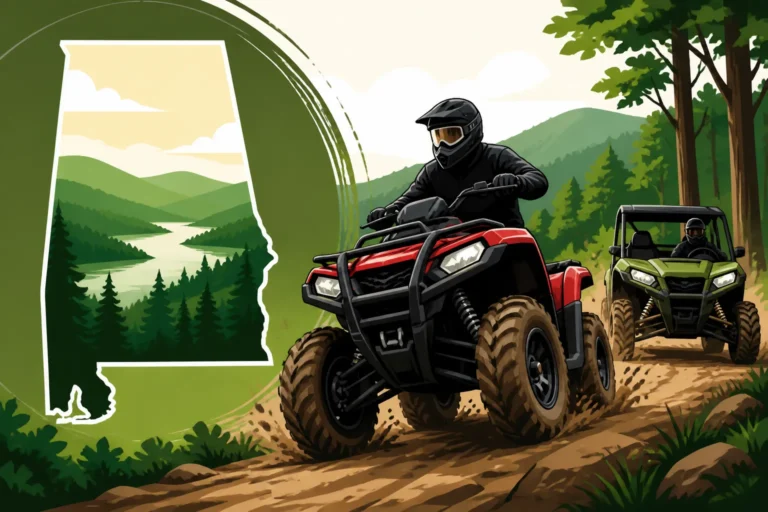
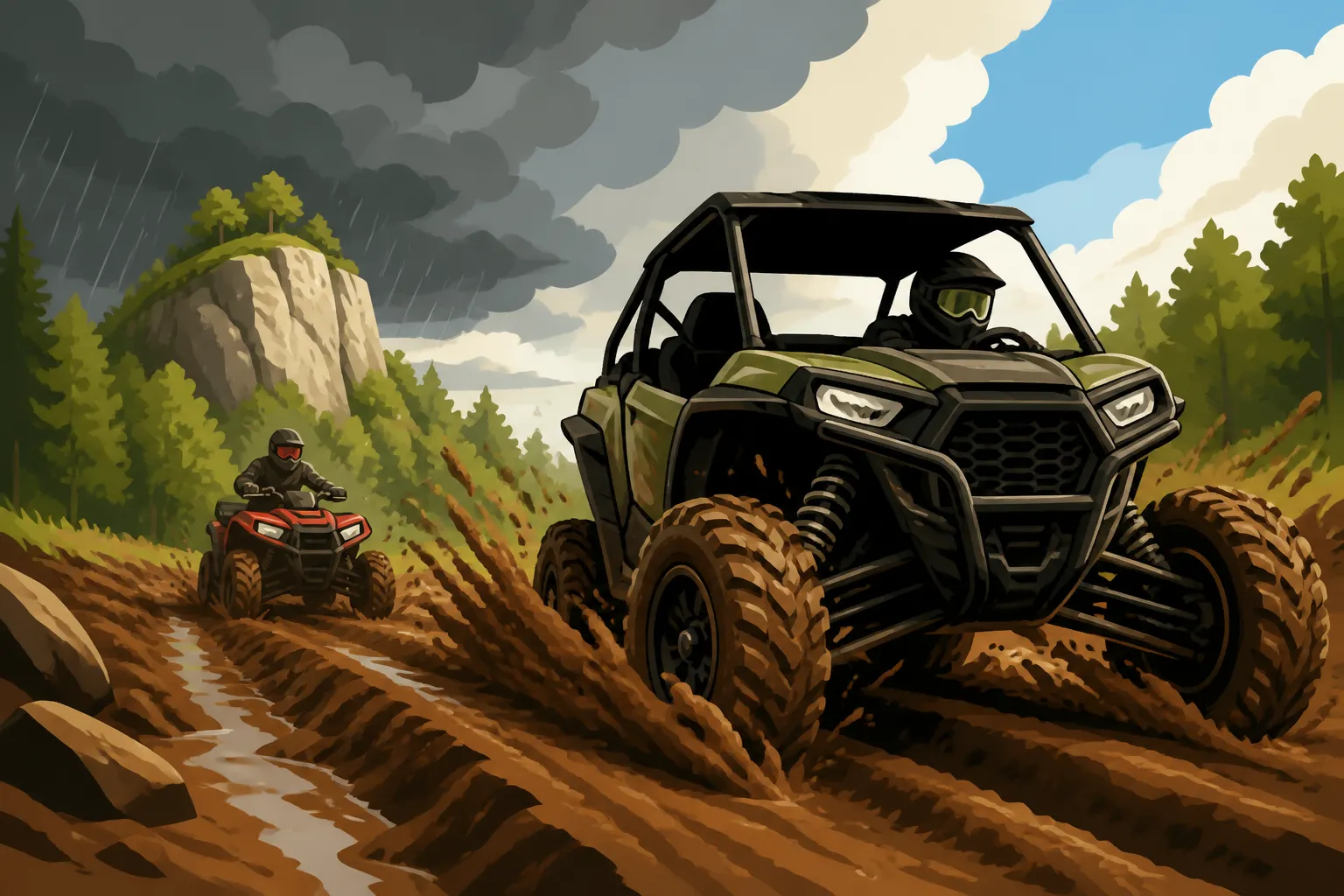
When rain soaks the ground, the top layer of clay can lose much of its grip and support. A tire that would normally roll across a firm trail may instead sink, slip, and push wet soil aside. Each pass can deepen the groove, particularly on inclines, in turns, and where riders repeatedly follow the same line.
The problem can build quickly. One machine spins its tires while climbing; the next rider tries to avoid the slippery track and cuts a new line beside it. Soon there may be several parallel ruts, loose clay piled along the edges, and fewer stable places to steer. A rut that looks manageable from the seat can also catch a tire or pull a machine off balance.
Stony Lonesome riders may encounter different conditions across a single ride. A sheltered, shaded section can stay wet longer than an exposed stretch, while low spots and drainage areas may hold water after the rest of the trail begins to firm up. Avoid assuming that a dry parking area or a pleasant first mile means the entire trail system has recovered.
Why a muddy trail can be tough on machines and riders
Wet clay is slippery, but it can also hide what is underneath. Water and churned soil may conceal rocks, roots, washouts, or a deeper hole. The machine can suddenly drop into a rut, slide sideways, or lose traction just as the rider is trying to turn or climb. On a side-by-side, a passenger may shift unexpectedly when the vehicle tilts or hits a concealed bump.
Mud can also add mechanical hassles. Clay may pack around tires, under fenders, near brakes, or around other moving parts. A tire with packed tread may grip less effectively, while repeatedly revving in place can strain the machine and make the trail damage worse. If a machine is bogged down, frantic throttle often digs it in further rather than solving the problem.
The safest call may be to turn around or stop riding a muddy section, even if you drove a long way to get there. That can feel frustrating when the trip is planned around a day on the trails, but continuing through conditions you cannot read clearly raises the risk of injury, recovery problems, and trail damage. Check the park’s posted guidance and current operating information before heading out; Alabama Trail Closures After Rain offers more on why post-storm access can change.
How to decide whether a trail is rideable
Assess the ground before committing to a muddy section
Start by checking conditions through the park’s official communication channels before you tow. Ask specifically about recent rainfall, trail closures, muddy areas, and whether conditions differ by section. A general “the park is open” answer does not necessarily mean every trail is suitable for every machine or rider.
Once at the park, take time to observe the ground before entering a questionable stretch. Look for standing water, shiny or slick clay, deep tire grooves, freshly displaced soil, and water running across the trail. If you cannot see the bottom of a puddle or tell how deep a rut is, do not use your machine to find out. A walk-around from a safe location may reveal hazards that are difficult to see from the driver’s seat.
Use caution around hills, tight turns, and places where traffic is likely to bunch up. A short muddy patch may be more manageable than a long climb where a stalled machine could block the route and encourage others to spin their tires. If the trail is already being chewed up, or riders ahead are struggling to maintain control, choose another route or stop rather than treating the first successful crossing as proof that conditions are safe.
| What you notice | What it may mean | Safer response |
|---|---|---|
| Deep, fresh tire grooves | Soft ground is deforming under traffic | Avoid the section or turn around |
| Water covering an unknown dip | The depth and obstacles are hidden | Do not enter until it can be assessed safely |
| Tires spinning without forward progress | The machine is losing traction and digging in | Ease off the throttle and reassess |
| Several riders stuck in one area | The route may be beyond current conditions or skill | Give the area space and seek park guidance |
| Firm ground with a few damp spots | Conditions may vary by location | Proceed cautiously and keep checking ahead |
Conditions can change during the day. Sun and wind may help some exposed areas dry, but shaded low spots can remain soft. More riders can also turn a passable stretch into a deeply rutted one. Use Alabama Trail Conditions Before You Tow as a reminder to check the trip’s practical details before leaving home, and confirm conditions with the park rather than relying on an old trail report or a map alone.
Know when to turn around or stop riding
Decide on a turnaround point before you enter a challenging section. For example, you might agree that if the front tires begin to slide, the machine cannot climb at a controlled pace, or the trail surface starts breaking apart, you will back out while there is still room to do so. A pre-agreed limit helps prevent the common “just one more try” decision that can leave a machine stuck or worsen a rut.
If you encounter a blocked or damaged stretch, do not cut around it through vegetation or create a new path. That can expand the damage and may lead riders into unstable ground, private land, or an area that is not an authorized route. Where it is safe and permitted, let other riders know there is a problem and follow park staff instructions for reporting or avoiding the section.
A phone map can help you understand where you are and plan a return route, but it cannot tell you whether a clay slope is firm enough to ride. Riders using onX Offroad or another mapping tool should treat the map as a navigation aid, not as confirmation that a route is open or passable after rain. Follow signs and the park’s directions first; if you cannot verify a route on the ground, do not assume it is safe just because it appears on a screen.
How to ride responsibly when trails are damp
Reduce rutting instead of powering through it
The best way to avoid making a rut worse is often not to enter a soft section. If the surface is already deforming under tires, choose a different route when one is available, or wait for conditions to improve. Avoid riding around a muddy patch by widening the trail. The ground beside an established route may be especially vulnerable, and repeated detours can quickly create new damage.
If park guidance indicates that riding is appropriate and you encounter a damp section, use smooth, controlled inputs. Sudden acceleration, hard braking, and sharp turns can break the surface loose. Keep a steady pace that lets you steer without spinning the tires, and leave enough distance between machines to avoid stopping in a bottleneck. Do not follow another rider’s line automatically: the same groove that helped one machine through may be too deep or unstable for yours.
These choices are part of low-impact riding, not just a way to keep a machine clean. Treading Lightly on Erodible Alabama Clay explains why protecting soft ground matters, especially where water can carry loosened soil downhill. Give other trail users room, avoid blocking a route while you discuss what to do, and respect any closure or direction posted by the park. For more on sharing trail space and making thoughtful decisions, see Alabama Trail Etiquette Locals Expect.
Match tires, recovery gear, and your route to conditions
Tires affect how a machine behaves in mud, but aggressive tread is not a substitute for good judgment. The right setup depends on the machine, terrain, manufacturer guidance, and the kind of riding you do. A tire that helps in one type of mud may behave differently on slick clay, rock, or a firm trail. Avoid lowering or changing tire pressure based on a guess; follow the machine or tire maker’s recommendations and understand how a change can affect handling.
A winch can be useful recovery equipment, but it does not make a risky route safe. Before a trip, make sure the winch and recovery points are in good working order, and know how to use them without placing anyone in the line of a loaded cable. A machine stuck in a deep rut may need assistance from park staff or a properly equipped recovery partner. Read Winches for Steep Clay Climbs for broader considerations, and never improvise a recovery that puts people between the machine and a potential movement path.
Plan your route around the least experienced rider and the least capable machine in the group. A deep, slick climb that seems manageable to an experienced rider may be a poor choice for a novice or a machine with limited ground clearance. onX Offroad can help a group review its intended route in advance, but riders should still confirm access and trail status with the park. The goal is not to see how much mud the group can cross; it is to finish the day without injury, damage, or a newly carved trail.
What to do before your next Stony Lonesome ride
Check access and prepare for changing conditions
Before leaving, contact the park or check its official updates for closures and riding guidance. Ask whether the areas you plan to use are open after recent rain and whether conditions vary by route. If you cannot get a clear answer, avoid making a long tow based solely on a social post or a map. For practical steps when online information is unavailable, see Calling a Park When the Website Is Dead.
Think through the day’s plan with your group: where you will ride, what conditions will make you turn around, and how you will communicate if someone gets separated. Keep a charged phone, but do not count on steady reception everywhere. Save relevant route information before leaving, and let someone at home know where you expect to be. onX Offroad may help with offline navigation when maps are downloaded in advance, but it should not replace park signs, local instructions, or a sensible decision to stop.
Pack for a muddy day, including water, suitable clothing, basic first-aid supplies, and equipment appropriate to your machine and experience. Wear a helmet and other protective gear, and carry a way to contact help if a rider is injured or a vehicle cannot be moved safely. First Aid on a Long Stony Lonesome Loop can help you think through what to carry on a longer outing.
Clean and inspect your machine after riding
When you return, remove packed clay before it hardens. Use care around electrical connections, bearings, seals, brakes, and other components; blasting sensitive areas at close range can cause problems. Follow the owner’s manual for cleaning guidance, and inspect tires, wheels, brakes, underbody protection, and visible suspension parts for lodged debris or damage.
A quick check can catch issues that are easy to miss when everyone is tired and ready to head home. Look for cuts in tires, bent or loose parts, unusual noises, and mud packed into areas that should move freely. If the machine was stuck or took a hard hit, do not assume it is fine because it still runs. Arrange an appropriate inspection before the next ride if something feels or sounds different.
Cleaning promptly also makes the next outing easier. Washing Red Clay Off Before It Sets covers why Alabama clay is far less cooperative after it dries. Finally, think honestly about what the trail conditions were like and what you would change next time. If the ride depended on repeated wheelspin, risky recovery attempts, or cutting around damaged ground, adjust the route or postpone the next trip until the trails are firmer.
Disclaimer
This article is for general informational purposes only and does not constitute professional advice. Laws, prices and regulations vary by location and change over time. Consult a qualified professional for guidance on your specific situation.