Alabama Rules for Riding With a Dog
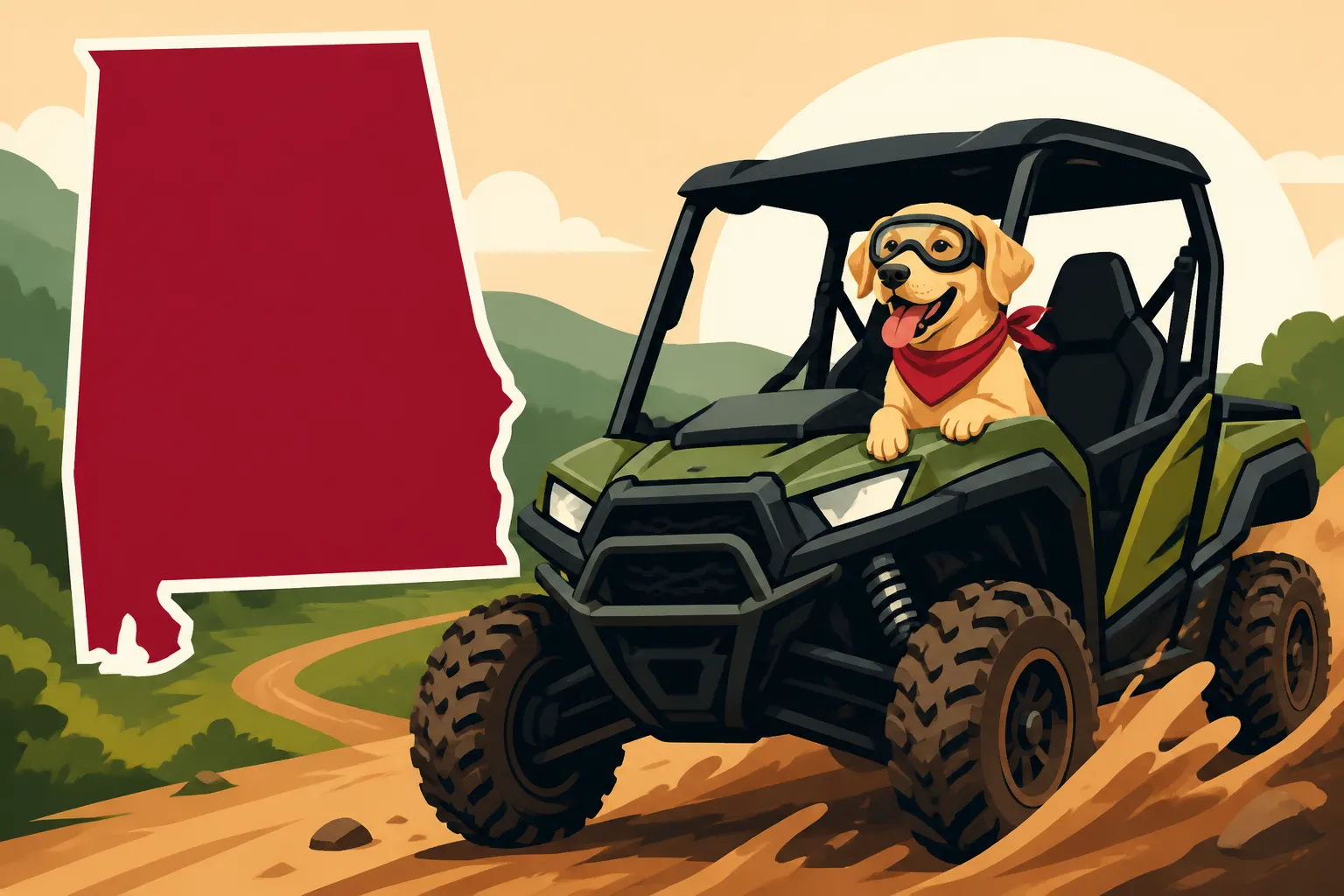
There's nothing quite like hitting the trails or exploring your property on an ATV or UTV, and for many of us, that experience feels incomplete without our trusty canine companion by our side. But before you load up your four-legged friend for an adventure in Alabama, you might be wondering about the rules, the risks, and the best ways to keep them safe. It's a valid concern, as the open air and varying terrain can present unique challenges. This guide will walk you through the practical considerations, safety protocols, and general understanding of what it means to ride with your dog in Alabama, ensuring a safe and enjoyable experience for both of you.
Understanding Alabama's Stance on Dogs on ATVs and UTVs
When it comes to specific laws about carrying dogs on ATVs or UTVs in Alabama, you'll quickly find that the statute books don't have a dedicated chapter. Unlike rules for human passengers or street-legal conversions, the regulations are less explicit. This doesn't mean it's a free-for-all, but rather that you'll need to apply common sense, general animal welfare principles, and local ordinances that aren't specific to off-road vehicles.
The Absence of Specific "Dog on ATV" Laws
Let's be clear: Alabama's off-road vehicle statutes primarily focus on the machines themselves, rider age, registration requirements, and where you can or cannot ride. You won't find a line item saying, "Dogs must be restrained in a DOT-approved kennel when riding an ATV." This is a stark contrast to how the state approaches human passengers, where rules on carrying [Alabama Rules for a Child Passenger] or [Alabama Rules for a Teen Rider] are more defined. Without specific legislation, the onus falls heavily on you, the owner and operator, to ensure your dog's safety and prevent them from becoming a hazard to yourself, others, or even wildlife. This lack of direct regulation often leads to assumptions, which can be dangerous if not tempered with a strong commitment to safety and responsibility.
General Animal Control and Nuisance Ordinances
While Alabama doesn't have ATV-specific dog laws, every county and many cities have general animal control ordinances. These laws typically cover things like leash requirements in public spaces, nuisance barking, and preventing animals from running at large. If your dog is riding unsecured on your ATV or UTV and jumps out, causing a traffic incident on a county road (even one where ATVs are permitted under specific conditions), or chases a jogger, you could be cited under these general ordinances. Think about how [Alabama Local Ordinances on ATV Riding] might apply to noise or general public safety, and extend that consideration to your pet. An unsecured dog acting as a distraction could also arguably fall under reckless operation, especially if it impairs your ability to control the machine. It's always best to check with local authorities for specific regulations in the areas you plan to ride, particularly if you're venturing into urban fringe areas or designated public parks where rules might be stricter.
Private Property vs. Public Land Rules
Where you ride makes a huge difference in what rules apply to your dog. On your own private land, your discretion is king, as long as you're not violating animal cruelty laws. If you're riding a utility quad around your farm checking fences or herding cattle, and your working dog is riding along, that's generally accepted. However, when you venture onto public lands, the rules become more defined and often more restrictive.
For instance, [Alabama WMA Riding Rules] often have strict leash laws, and some may even prohibit pets in certain areas during specific seasons to protect wildlife. National Forests in Alabama, like the Talladega National Forest, also have regulations concerning pets, usually requiring them to be on a leash no longer than six feet in developed recreation areas and on trails. It's crucial to research the specific rules of any public land – be it a state park, a wildlife management area, or a national forest – before you go. The same goes for private OHV parks; many have their own pet policies, sometimes requiring dogs to be leashed at all times when outside a vehicle or camping area. Ignoring these rules could lead to fines, or worse, being asked to leave. This also applies to [Alabama Trespass Law for Riders]; if you're on someone else's private property without explicit permission, their rules for your dog apply, just as their rules for your machine do.
Essential Safety Measures for Riding With Your Dog
The thrill of riding an ATV or UTV is undeniable, but it comes with inherent risks. When you add a dog to the mix, those risks multiply if you don't take proper precautions. Your dog can't brace themselves or understand the dynamics of the ride like a human can. Ensuring their safety isn't just about compliance; it's about responsible pet ownership and preventing tragic accidents.
Secure Restraint is Non-Negotiable
This is perhaps the single most important safety measure you can take. A loose dog on an ATV or UTV is a severe hazard. They can be thrown from the machine during a sudden stop, turn, or bump. They can jump out to chase wildlife, putting themselves in danger of being run over or getting lost. They can also move unpredictably inside a UTV cab, distracting you and potentially causing a crash.
The best solution is a secure, well-ventilated crate or kennel that is firmly attached to your machine. For ATVs, this often means a sturdy kennel strapped to the rear rack. For UTVs, a kennel in the bed, secured with heavy-duty straps, is ideal. If your dog is small enough, a specialized front basket or soft-sided carrier (still secured) can work, but always consider the stability and exposure. For larger dogs in a UTV cab, a crash-tested safety harness specifically designed for vehicles, combined with a seatbelt attachment, is a safer alternative to letting them roam freely. Never just let them stand in the bed or sit on the seat without being secured. The forces involved in off-road riding are far greater than those in a typical car ride.
Protecting Paws, Eyes, and Ears
The elements and terrain can be harsh on your dog. Just as you wear boots, gloves, and eye protection, your dog may need similar considerations.
- Paws: Alabama trails can be rocky, rooty, or covered in sharp debris. Hot pavement or even hot red clay can burn paws. Consider durable paw booties, especially for longer rides or rougher terrain. They also provide grip and prevent slips on machine surfaces.
- Eyes: Dust, flying debris, branches, and even insects can cause eye injuries. Dog goggles, designed to fit a canine's face, are a wise investment, particularly for UTV riders where the dog is more exposed to forward motion.
- Ears: The engine noise of an ATV or UTV, especially a louder aftermarket exhaust, can be damaging to a dog's sensitive hearing over time. While less common, some owners opt for canine hearing protection, particularly for dogs frequently riding in UTVs where engine noise can resonate in the cab.
It’s about more than comfort; it’s about preventing injury and long-term health issues.
Hydration, Breaks, and Overheating Risks
Alabama's climate, especially during summer, can be brutally hot and humid. Dogs are much more susceptible to overheating than humans because they can only sweat through their paws and primarily cool themselves by panting.
- Hydration: Always carry plenty of fresh water for your dog, along with a portable bowl. Offer water frequently, even if they don't seem thirsty.
- Breaks: Schedule regular stops for your dog to stretch their legs, relieve themselves, and get a break from the machine's vibrations and heat. Find shaded spots during these breaks.
- Overheating Signs: Learn to recognize the signs of heatstroke: excessive panting, drooling, lethargy, red gums, stumbling, or even vomiting. If you suspect heatstroke, get your dog to shade immediately, offer water, and cool them down with wet towels, focusing on their paws, belly, and armpits. In severe cases, emergency vet care is crucial. Consider the time of day you ride; early mornings and late evenings are often cooler.
Choosing the Right Gear for Your Canine Co-Pilot
Equipping your dog for an ATV or UTV adventure goes beyond just a leash and collar. The right gear ensures their safety, comfort, and integrates them seamlessly into your riding experience. Thinking proactively about their needs can make a world of difference.
Specialized Pet Carriers and Crate Options
The most critical piece of equipment is a safe and secure way to transport your dog. The choice depends on your machine type and your dog's size.
- For ATVs: Smaller dogs might fit in a durable, well-ventilated front basket that's securely mounted to the front rack. For most dogs, a hard-sided kennel or soft-sided carrier designed for pet transport is best. These should be strapped very tightly to the rear rack using heavy-duty ratchet straps or cargo nets, ensuring no movement even on rough terrain. Look for options that offer good airflow to prevent overheating.
- For UTVs: The bed of a side-by-side is often the most practical place for a dog kennel. Again, a hard-sided, well-ventilated crate is paramount, secured to the bed using tie-down points. For dogs riding in the cab, especially larger ones, a crash-tested travel harness with a seatbelt attachment is essential. These harnesses distribute impact forces across the dog's chest, protecting their neck and spine in case of an abrupt stop or collision. Brands like Ruffwear and Kurgo make excellent vehicle harnesses. You can also find specialized accessories, such as bed extenders or cargo area dividers, which can help create a more secure space for a kennel in the back of a UTV.
High-Visibility and Protective Apparel
Just like riders wear bright colors for visibility, your dog can benefit from high-visibility gear, especially if they might be off-leash in certain areas or if you're riding in low-light conditions.
- Reflective Vests: A brightly colored, reflective vest makes your dog much easier to spot, whether they're near the machine or exploring during a break. This is particularly important on shared trails or if there's any chance of them nearing a road where other vehicles might be present.
- Durable Harnesses: Beyond a simple collar, a sturdy harness gives you better control over your dog, especially when getting on and off the machine or walking during breaks. Choose one that fits snugly but doesn't chafe. Some harnesses even come with a handle on the back, which can be incredibly useful for assisting your dog over obstacles or into their carrier.
- Footwear: As mentioned earlier, paw protection isn't just for cold weather. On Alabama's hot surfaces, rocky trails, or even just preventing grit and stickers from bothering their paws, dog boots can be a game-changer. Ensure they fit well and your dog is accustomed to wearing them before hitting the trails. Aftermarket accessories from companies like SuperATV often focus on rider comfort and cargo solutions, and while they may not make dog-specific gear, their robust cargo boxes, bed enclosures, or roof systems can contribute to creating a safer, more protected environment for a dog's carrier within a UTV.
Emergency Preparedness Kit for Dogs
Being prepared for the unexpected is part of responsible off-road riding, and that extends to your pet.
- Canine First Aid: Pack a small first-aid kit specifically for your dog. This should include items like antiseptic wipes, gauze, vet wrap, tweezers (for thorns or ticks), saline solution for flushing eyes, and any prescribed medications your dog needs.
- Extra Water and Food: Always carry more water than you think you'll need. If you're on a longer ride, pack a small amount of their regular food and treats.
- Leash and Collar with ID: Even if your dog is usually off-leash at home, always have a leash and collar with up-to-date ID tags (including your phone number) readily accessible. A spare leash isn't a bad idea either.
- Proof of Vaccination/Rabies Tag: Some public parks or campgrounds may require proof of vaccination for pets. It's good practice to carry a copy or have your dog's rabies tag attached to their collar.
- Waste Bags: Pack plenty of waste bags and always pick up after your dog, especially on public lands or shared trails. Leaving pet waste behind is not only inconsiderate but can also spread disease and contribute to pollution.
Respecting the Environment and Other Riders
Riding with your dog is a privilege, not a right, especially on shared lands. Part of being a responsible ATV/UTV owner is understanding and respecting the impact you and your pet have on the environment and other people. This is especially true when using designated areas like [Alabama Public Use Designated Areas] or [Stony Lonesome OHV Park in Alabama].
Leash Laws and Trail Etiquette
The vast majority of public lands and organized OHV parks in Alabama have strict leash laws for pets. Even if your dog is incredibly well-behaved and comes when called, leash laws are in place for several reasons:
- Wildlife Protection: A loose dog, even one not intentionally hunting, can harass, injure, or stress local wildlife, especially during nesting or breeding seasons.
- Safety of Other People: Not everyone is comfortable around dogs, and some people may have allergies or fears. A leashed dog prevents unpredictable interactions.
- Safety of Your Dog: A leash prevents your dog from wandering off and getting lost, running into dangerous situations (like approaching another machine or falling into a ditch), or encountering venomous snakes or other hazards.
- Cleanliness: Always carry waste bags and pick up after your dog. Leaving pet waste behind is unsanitary and disrespectful to other users of the land. This is a fundamental part of [Alabama ATV Trail Etiquette Locals Expect].
When you stop for breaks, keep your dog leashed and under control. If you're riding through a developed campground or picnic area, their leash should always be on.
Wildlife Encounters and Responsible Pet Ownership
Alabama is rich in wildlife, from deer and wild turkeys to snakes and coyotes. A dog's natural instinct can be to chase or bark at wildlife, which can lead to several problems:
- Stress to Animals: Chasing wildlife causes stress, expends their energy, and can separate young from parents.
- Danger to Your Dog: Your dog could encounter a protective mother animal (like a sow with piglets), or a venomous snake, leading to serious injury or worse. They could also get lost if they chase an animal too far into unfamiliar territory.
- Environmental Impact: Repeated harassment by pets can cause wildlife to abandon an area.
If you know your dog has a strong prey drive, it's even more critical to keep them secured in their carrier or on a short leash when outside the machine. Train a strong "leave it" command, and always be vigilant about your surroundings. The goal is to leave no trace, and that includes minimizing your pet's impact on the natural ecosystem.
Considering Other Users and Noise
Think about the experience of others on the trails or in camping areas. While you might love your dog's enthusiastic barks, not everyone appreciates constant noise. A continuously barking dog can be a significant nuisance, especially in quieter camping zones or on peaceful sections of a trail.
- Training: Work on training your dog to be quiet on command and to not bark excessively at every new sight or sound.
- Awareness: Be mindful of your surroundings. If you're pulling into a crowded trailhead or a quiet picnic area, keep your dog close and calm.
- Machine Noise: The noise of your ATV or UTV engine itself can be loud for both humans and animals. This reinforces the point about considering hearing protection for your dog, especially for extended rides.
By being considerate of other trail users, whether they are hikers, mountain bikers, horseback riders, or other ATV enthusiasts, you contribute to a positive environment for everyone. Understanding and adhering to these unwritten rules of courtesy, alongside any posted regulations, will help ensure that riding with your dog remains a welcome and safe activity in Alabama for years to come.
Disclaimer
This article is for general informational purposes only and does not constitute professional advice. Laws, prices and regulations vary by location and change over time. Consult a qualified professional for guidance on your specific situation.