Alabama Registration and Lien Records
Getting an ATV or UTV is a big investment for many folks in Alabama, and figuring out how financing and ownership work can feel like trying to navigate a new trail after a heavy rain – confusing and a bit slippery! Whether you're buying, selling, or trying to secure a loan for your machine, understanding the ins and outs of registration and lien records is absolutely crucial to avoid costly headaches down the road. This guide will help you untangle the complexities, especially with Alabama's changing laws, so you can ride with confidence, knowing your paperwork is solid.
The Basics of Alabama ATV/UTV Registration and Ownership Records
When you’re dealing with an ATV or UTV in Alabama, it’s easy to get caught up in the excitement of hitting the trails or getting work done on the farm. But before you do, understanding how the state tracks these machines is vital. It’s not always as straightforward as registering a car, and the distinction between registration and titling is a common point of confusion for many owners.
Understanding Registration Versus Titling
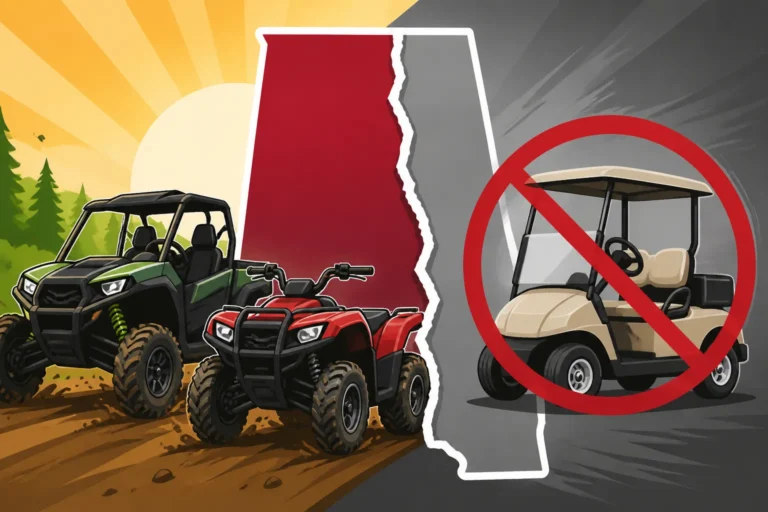
In Alabama, registration and titling for ATVs and UTVs have historically been two very different animals, handled by separate agencies and serving distinct purposes. For many years, and indeed for all machines model year 2025 and older, there was no state-issued title for off-road vehicles. This meant that while you might register your machine with the Alabama Law Enforcement Agency (ALEA) for either public or private use, that registration was primarily a record of its intended use and not necessarily a definitive declaration of legal ownership in the same way a car title is.
Think of it this way: registration with ALEA simply puts your machine on a state database, allows you to get a decal, and grants you permission to use it under specific conditions, like on designated public lands or your private property. It's about compliance for riding, not establishing a chain of legal possession for sale or financing purposes. The process for getting a public use registration is distinct from the private use tier, reflecting where you plan to ride. [Alabama Splits Titling and Registration Between Agencies] handles the details of which agency does what, which can be a little confusing if you're not used to it. The important takeaway here is that an ALEA registration, while important for legal riding, doesn't always tell the whole story about who truly owns the machine or if there are any outstanding debts against it.
What an Ownership Record Means Without a Title (Pre-2026 Machines)
This is where things get particularly interesting for many Alabama riders, especially those with machines that are model year 2025 or older. For these machines, which comprise the vast majority of off-road vehicles currently in operation, Alabama simply doesn't issue a title. This lack of a title has historically made proving definitive ownership a bit more of a puzzle. It’s not like selling a car where you hand over a signed title and everyone knows where they stand.
Instead, for these older, untitled machines, proof of ownership often relies on a combination of documents. A solid bill of sale is paramount, detailing the buyer, seller, purchase price, and crucially, the machine's full Vehicle Identification Number (VIN) or serial number. Other supporting documents might include the manufacturer's statement of origin (MSO) if it’s a relatively new machine that was never titled in another state, or even past registration documents. Without a clear title, [Why Older Alabama ATVs Cannot Be Titled] highlights the challenges you might face. When it comes to financing, this void in clear, state-backed ownership records can be a real hurdle. Lenders often prefer a clear title to record their lien against, as it’s a universally recognized document of collateral. Without it, they have to rely on alternative methods, which can sometimes make securing a loan for an older machine more complex or even lead to higher interest rates due to perceived increased risk. [Proving You Own an Untitled Machine] becomes an essential skill in this scenario, whether you're buying or selling.
How Lien Records Work in Alabama for ATVs and UTVs
Understanding how liens are recorded is perhaps the most critical aspect for anyone financing, buying, or selling an ATV or UTV in Alabama. A lien is a legal claim or a right against an asset, usually a property or vehicle, that is used as collateral to satisfy a debt. In simpler terms, it means someone else (typically a lender) has a legal interest in your machine until you’ve paid off your loan.
The Role of a Lien in Financing Your Machine
When you take out a loan to purchase an ATV or UTV, the lender isn't just taking your word for it that you'll pay them back. They want a legal assurance that if, for some reason, you can't make your payments, they have the right to repossess the machine to recover their money. This legal assurance is what a lien provides. The machine itself acts as the collateral for the loan.
For you as a borrower, this means the lender has a legal claim to your machine. You can use it, enjoy it, and keep it, but until that loan is paid in full, the lender legally owns a piece of it. This becomes particularly important if you decide to sell the machine. You absolutely cannot sell a machine with an outstanding lien free and clear to a new buyer without first satisfying that debt. Doing so could create a massive legal mess for both you and the unsuspecting buyer, potentially leaving the new owner without a machine and owing the original lender money!
Recording Liens on Titled Machines (Model Year 2026 and Newer)
Good news is on the horizon for those purchasing new machines! Starting with model year 2026, Alabama is stepping into the modern age by requiring titles for new ATVs and UTVs. This new law, [Alabama ATV Titling Starts With Model Year 2026], brings a significant change to how ownership and, crucially, liens are recorded.
With the advent of titles, the process will become much clearer and more aligned with what you'd expect when financing a car. When you get a loan for a 2026 or newer machine, your lender will record their lien directly on the official state-issued title. This title will then clearly show the lender's name as a lienholder, providing undeniable proof of their secured interest in the vehicle. The Alabama Vehicle Information Network (ALVIN) system, managed by the Department of Revenue, is designed to handle this electronic titling process. [How the ALVIN Titling System Handles an ATV] describes how this digital system will streamline the recording of ownership and, yes, those all-important liens. When you finally pay off your loan, the lender will send a release of lien, and you can then apply for a clear title showing no encumbrances. This clear record is a huge benefit for future sales and provides peace of mind for both lenders and owners. For a more detailed look, [How a Lender's Lien Shows on a New Title] is a great resource.
The Challenge of Securing Loans on Untitled Machines
While the new titling law is a welcome change for future purchases, it doesn't solve the issue for the countless ATVs and UTVs already on the trails. For all those model year 2025 and older machines that don't have a title, lenders have to take a different approach to secure their interest. This typically involves what's known as a Uniform Commercial Code (UCC) filing.
A UCC filing isn't tied to a specific title document; instead, it's a public notice of a security interest in personal property, filed with the Secretary of State's office. It essentially tells the world that a particular lender has a claim on a specific piece of collateral – in this case, your ATV or UTV – identified by its serial number. This system works, but it's generally considered less robust and more cumbersome than recording a lien directly on a title. For an individual buyer, searching UCC filings can be more complex than simply checking a title, which adds a layer of risk and uncertainty in private sales. For lenders, it means their collateral is secured, but the enforcement and tracking can sometimes be more involved. This reliance on UCC filings for older machines can make some lenders hesitant, or they might offer less favorable loan terms, simply because the collateral is not as easily tracked or as universally recognized as a titled vehicle.
Practical Steps for Buyers, Sellers, and Lenders in Alabama
Navigating the world of ATV and UTV ownership, especially when financing and lien records are involved, requires a proactive approach. Whether you're excitedly looking to purchase a machine, sadly needing to sell one, or a financial institution providing the means, understanding your role and the necessary steps is crucial.
For Buyers: Checking for Liens Before You Buy
As a buyer, especially in a private sale, the old adage "buyer beware" rings incredibly true. The last thing you want is to buy a fantastic side-by-side, only to find out later that it has an undisclosed lien against it from the previous owner. If that previous owner defaults on their loan, the bank could potentially repossess your machine, even though you paid for it in good faith. It's a nightmare scenario, but one that can be avoided with diligence.
Here’s what you should do:
- Ask the Seller Directly: Don't be shy. Ask the seller if there are any outstanding loans or liens on the machine. A trustworthy seller will be transparent.
- Check for a Title (if applicable): For model year 2026 and newer machines, insist on seeing the physical title. Look for the "Lienholder" section. If there's a lien listed, the seller must provide proof that it has been paid off and released before you complete the purchase.
- For Untitled Machines (pre-2026): This is where it gets trickier. While an individual can't easily search UCC filings on their own, you can still take precautions. Request a comprehensive bill of sale that includes the seller's full contact information, the machine's VIN/serial number, and a clear statement that the seller guarantees the machine is free of all liens and encumbrances. [Alabama Bill of Sale Requirements] outlines what's needed. Consider using a service like LawDepot to generate a legally sound bill of sale that includes these vital clauses. If you’re getting a loan yourself, your lender will perform their own lien search, which provides an added layer of protection.
- Meet at a Bank: If the seller claims to have paid off a loan but doesn't have the lien release yet, suggest meeting at their bank. You can pay the bank directly to satisfy the lien, and then the remaining balance to the seller, ensuring the lien is cleared instantly.
- Get it in Writing: Always ensure the full VIN or serial number is accurately recorded on all paperwork. [Alabama Serial Numbers on the Application] stresses its importance.
For Sellers: Ensuring a Clear Sale
Selling your ATV or UTV should be an exciting process, but it requires careful attention to detail, especially if you have a loan on the machine. Your primary goal is to ensure a smooth, legally clean transfer of ownership to the buyer.
Here’s how to do it right:
- Pay Off Your Loan: If you have an outstanding loan on the machine, you must pay it off before you can sell it free and clear. Contact your lender to get the payoff amount. Once paid, the lender will issue a lien release. For model year 2026+ machines, this release will allow you to get a clear title. For older, untitled machines, it simply means the UCC filing can be terminated.
- Provide Proper Documentation:
- Titled Machines (2026+): Once your loan is paid off, obtain the clear title from the state. You will sign the title over to the new owner, indicating the sale.
- Untitled Machines (pre-2026): A comprehensive bill of sale is your most important document. It should include both your and the buyer's full information, the machine's full VIN/serial number, the sale price, and a clear statement that the machine is sold free of liens. You might also provide the original MSO if you have it.
- Transparency is Key: Be honest with potential buyers about the machine's history, any outstanding debts, and the documentation available. This builds trust and prevents future legal issues.
- Use Legal Forms: Resources like LawDepot can provide customizable, legally sound bill of sale templates or lien release forms, which can be invaluable for ensuring all necessary clauses and information are included. [Selling a Registered Machine in Alabama] also offers useful advice on the sales process.
For Lenders: Navigating the Alabama System
Financial institutions lending money for ATVs and UTVs in Alabama face a unique landscape due to the staggered titling implementation. Adapting to these changes while maintaining secure lending practices is paramount.
Here's how lenders navigate this environment:
- Titled Machines (Model Year 2026 and Newer): For these newer machines, lenders will primarily rely on the new titling system. They will apply for the title directly with the Alabama Department of Revenue (via county probate offices) and ensure their lien is prominently recorded on the face of the title. This provides a clear, state-backed record of their security interest, streamlining the lending and, if necessary, the repossession process.
- Untitled Machines (Model Year 2025 and Older): For the vast existing fleet of off-road vehicles, lenders will continue to utilize Uniform Commercial Code (UCC) filings with the Alabama Secretary of State. This involves filing a UCC-1 statement, which puts a public notice on record that the lender has a security interest in a specific machine. While effective, it requires diligent tracking and management, as there isn't a single, transferable document like a title to physically hold.
- Documentation and Due Diligence: Lenders must ensure they have robust processes for verifying the machine's identity (via VIN/serial number), the borrower's ownership claims (through bills of sale, MSOs, or past registration), and performing thorough lien searches before disbursing funds. This includes checking both state title records (for 2026+ machines) and UCC filings (for pre-2026 machines) to avoid prior liens.
- Leveraging Resources: Tools like LawDepot can assist financial institutions in generating standardized loan agreements, promissory notes, and security agreements that are legally compliant and clearly establish the lender's rights and the borrower's obligations, whether a title or UCC filing is involved.
Common Questions and Misconceptions About Liens and Registration
It's natural to have questions when dealing with something as important as property ownership and financial obligations. The unique nature of ATV and UTV laws in Alabama, particularly the distinction between registration and titling, often leads to common misconceptions. Let's clear up a few of those.
Can an Untitled Machine Still Have a Lien?
Absolutely, yes! This is one of the most significant points of confusion for many buyers and sellers in Alabama. Even though a model year 2025 or older ATV or UTV does not have a state-issued title, a lender can still secure their interest in that machine. As we discussed, they do this by filing a Uniform Commercial Code (UCC) statement with the Alabama Secretary of State. This UCC filing acts as a public record of their lien.
So, if you're looking to buy an older machine from a private seller, you cannot assume that just because there's no title, there's no lien. You must still be diligent in your checks, primarily by ensuring the seller explicitly states in the bill of sale that the machine is free of all liens. For a lender, they will always perform a UCC search before funding a loan on an untitled machine to ensure they are the primary lienholder.
Does Registration Mean There's No Lien?
No, registration and liens are entirely separate matters in Alabama for off-road vehicles. An ATV or UTV registration from ALEA simply signifies that the machine has been enrolled in the state's system for tracking use on public or private lands. It gives you a decal and allows you to ride legally in certain areas. [Alabama Registration Paperwork Explained] details what this process entails.
However, the registration process does not involve any checks for outstanding liens, nor does it record any lienholder information. You could have a machine that is fully registered for public use, but still has a significant loan and an active lien against it. Therefore, simply seeing a current registration decal on a machine does not provide any assurance that the machine is free and clear of debt. You need to investigate ownership and liens separately from checking registration status.
What if I Buy a Machine With a Lien I Didn't Know About?
This is the nightmare scenario we mentioned earlier, and it's precisely why understanding lien records is so critical. If you purchase an ATV or UTV that has an undisclosed lien against it, and the original owner then defaults on their loan, the lender (the lienholder) has a legal right to repossess the machine – even from you, the new, innocent buyer.
In the eyes of the law, the lender's lien is senior to your purchase, meaning their claim comes first. You would likely lose the machine, and your only recourse would be to try and sue the person who sold you the machine for the money you paid. This can be a long, expensive, and often fruitless process, especially if the seller is uncooperative or financially insolvent. This unfortunate situation underscores the importance of thoroughly investigating lien status, using proper legal documents like a detailed bill of sale, and being wary of any deal that seems too good to be true, particularly in private sales of older, untitled machines. It's always better to take a little extra time upfront to verify everything than to face significant financial loss and legal battles down the road.
Disclaimer
This article is for general informational purposes only and does not constitute professional advice. Laws, prices and regulations vary by location and change over time. Consult a qualified professional for guidance on your specific situation.