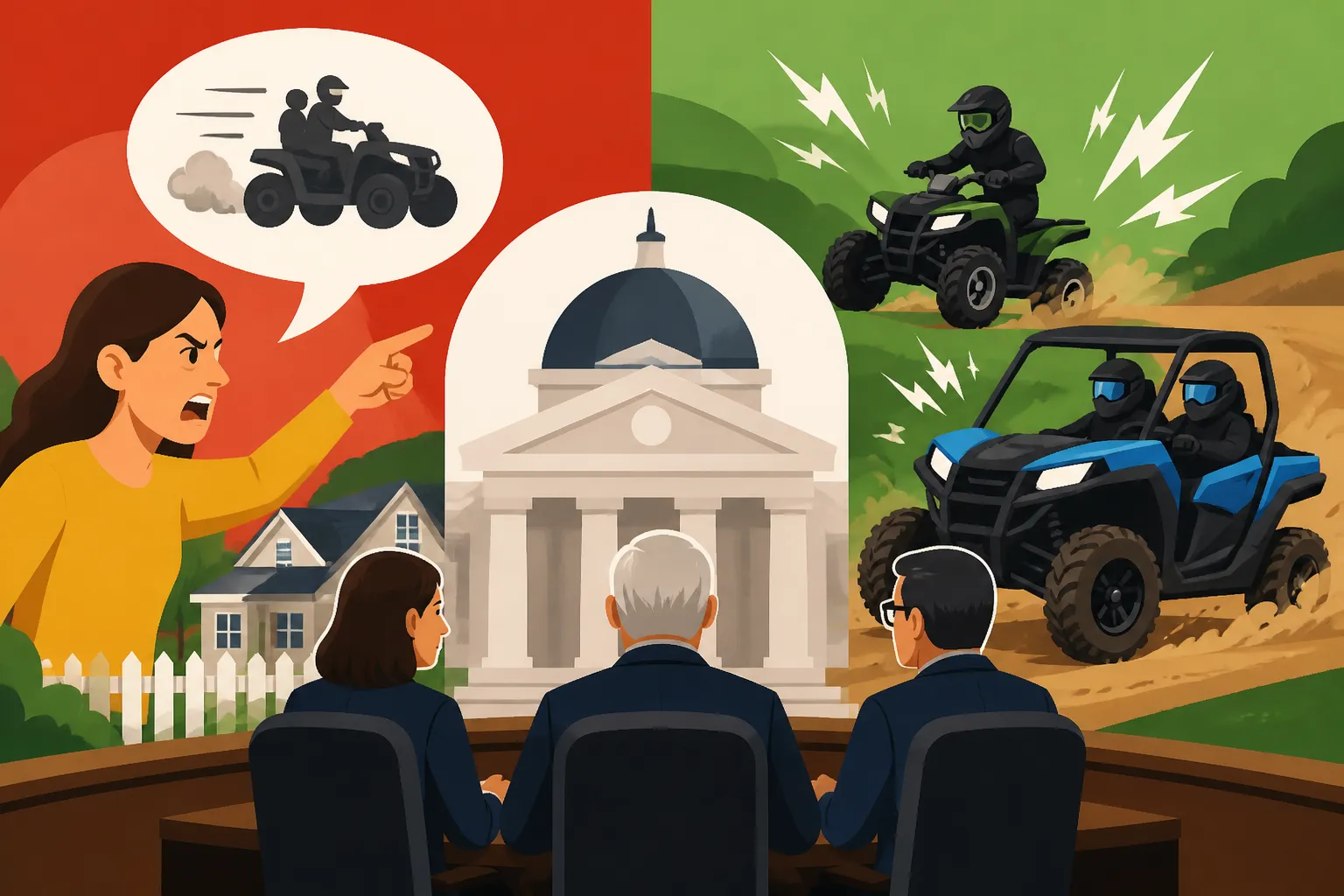
Complaints That Reach a City Council
It’s a scenario many Alabama ATV and UTV enthusiasts dread: that moment when the fun of riding clashes with the peace and quiet of a neighborhood, leading neighbors to air their grievances. These aren't just minor grumbles; sometimes, these complaints gather enough steam that they end up on the agenda of a city council meeting, prompting serious discussions about restricting or even banning off-road vehicles. This guide aims to shed light on why these complaints arise, what impact they can have on local ordinances, and most importantly, what riders can do to foster better community relations and avoid harsher restrictions.
Common Reasons for City Council Complaints About ATVs and UTVs
When residents feel their quality of life is being negatively impacted, they often turn to their local government for help. City council members are elected to represent their constituents, and when enough people express concern about ATV or UTV activity, it becomes a priority. Understanding the root causes of these complaints is the first step toward finding common ground.
Noise Disruptions in Residential Areas
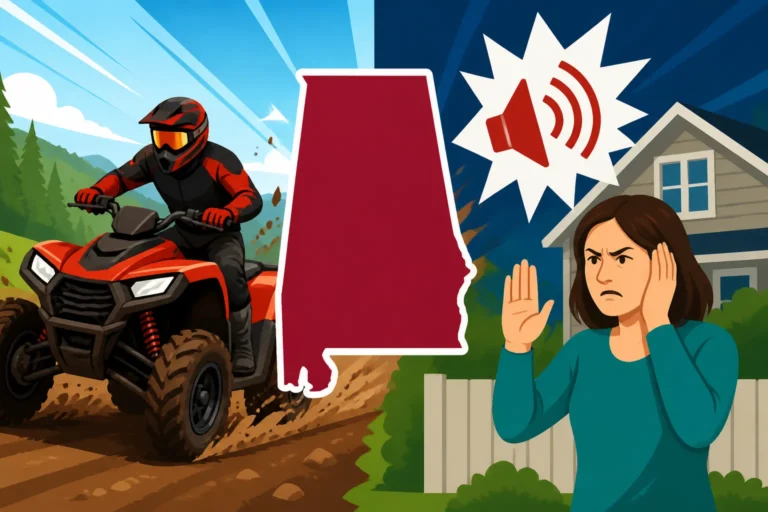
Let's be honest, ATVs and UTVs aren't exactly silent machines. Their engines hum, their exhausts can roar, and tires on pavement or gravel can create significant noise. For many residents, especially those living in quiet neighborhoods, this consistent or sporadic noise is a major source of irritation. Imagine a peaceful Sunday afternoon, shattered by the frequent drone of a quad circling a nearby field, or the loud rumble of a side-by-side heading down a residential street. It disrupts backyard barbecues, nap times for children, and moments of quiet relaxation.
The issue isn't always malicious, but the cumulative effect can be overwhelming. Some riders, perhaps unknowingly, modify their machines with aftermarket exhausts – maybe from a company like SuperATV – that, while enhancing performance or sound for the rider, can significantly amplify the noise for everyone else. Repeated passes by a home, even at moderate speeds, can create a continuous disturbance. This isn't just about volume; it's about the frequency and duration of the noise, especially during hours when most people expect quiet, like early mornings, late evenings, or even just regular daytime hours in residential zones. These incessant noises are a prime reason why [Alabama Noise Complaints About Quads] become a recurring theme in local government discussions.
Safety Concerns and Reckless Riding
Few things stir up more alarm in a community than perceived safety risks, especially when children are involved. Residents often express deep concern when they see ATVs or UTVs operating at high speeds on residential streets, cutting across yards, or even being operated by underage or seemingly unsupervised riders. The sight of a quad zipping around a corner or a side-by-side weaving through parked cars can genuinely frighten parents and homeowners who worry about accidents involving pedestrians, cyclists, or even other vehicles.
This isn't to say all riders are reckless, but it only takes a few visible instances to create a widespread perception. When an ATV is seen popping wheelies on a public road, or a UTV is loaded with more passengers than recommended, it immediately raises red flags. These behaviors not only endanger the rider and their passengers but also create a hazardous environment for everyone else in the vicinity. Questions about whether riders are wearing helmets, or if the machines are even legally allowed on those specific roads, quickly escalate into calls for official intervention. These types of incidents often fuel discussions about [Alabama Rules for Riding a County Road] and the need for stricter enforcement.
Property Damage and Trespassing
Another significant source of frustration, and one that often leads directly to official complaints, is when ATV or UTV riding results in property damage or trespassing. This can range from machines tearing up freshly laid sod in private yards, creating ruts in common areas, or even damaging landscaping and fences. It’s particularly infuriating for property owners who work hard to maintain their land only to have it scarred by tire tracks.
Beyond direct damage, simply riding on private property without permission is trespassing, a clear violation of a landowner's rights. Whether it's cutting across a field to get to a trail, using a private drive as a shortcut, or riding through a neighbor's wooded lot, these actions erode trust and goodwill within a community. People are rightfully protective of their land, and when that boundary is crossed, they seek remedies. This is especially true for property owners who have taken steps like posting "No Trespassing" signs or using purple paint to mark their boundaries, only to have them ignored. This issue is a core component of [Alabama Trespass Law for Riders] and frequently comes up in city council discussions.
The Impact of Complaints on Local Ordinances
When complaints become consistent and widespread, city councils can't simply ignore them. Elected officials have a responsibility to address the concerns of their constituents, and that often means exploring new rules or strengthening existing ones. The journey from a neighbor's grumble to a new law can be complex, but understanding the process can help riders and residents alike.
How Councils Respond to Resident Feedback
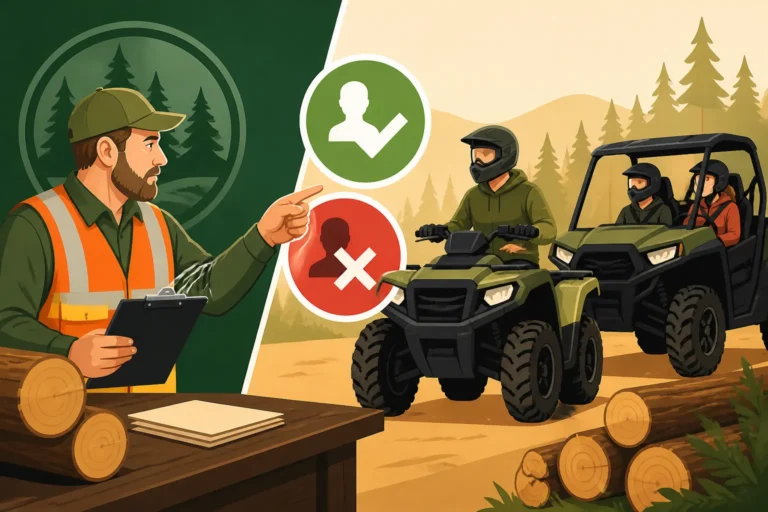
Once complaints start rolling in, city council members typically begin by listening. They might hear from individuals directly, receive petitions, or see discussions erupt on local social media groups. Often, these concerns are formally brought up during public comment sections of council meetings, where residents can vocalize their frustrations directly to their elected officials. This direct feedback is powerful. Council members might then direct staff to research existing laws, investigate the extent of the problem, or even hold town hall meetings to gather more input.
The council's response is often a measured one, initially seeking to understand the scope and nature of the problem. They'll want to know if it's an isolated incident or a recurring issue, and if current laws, such as those governing [Alabama City Ordinance Lookups], are sufficient or if new regulations are needed. They might involve local law enforcement to discuss enforcement challenges and feasibility. The goal is to find a solution that addresses the complaints while ideally balancing the rights and activities of all community members. However, if the complaints are severe and persistent, the council's patience may wear thin, leading to more drastic measures.
Potential Restrictions and Bans
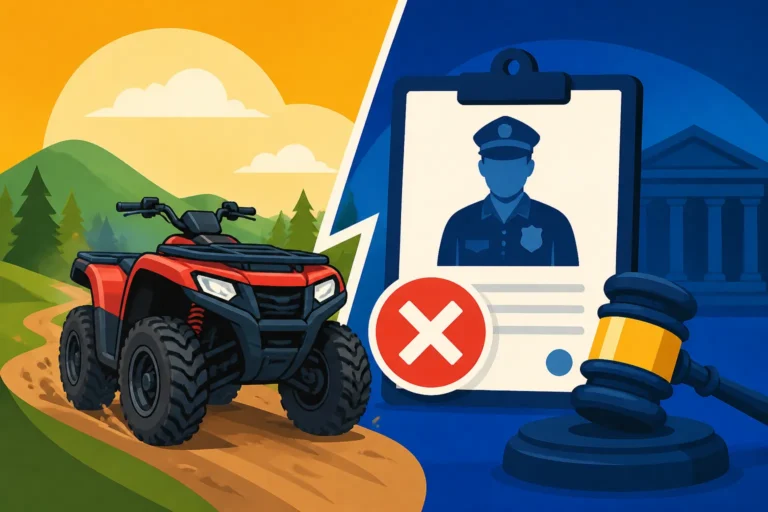
The most significant impact of sustained complaints is the potential for new, restrictive local ordinances or even outright bans on ATVs and UTVs within city limits or on specific types of roads. Depending on the severity of the problem and the political will of the council, these restrictions can take several forms. Some cities might implement specific curfews, prohibiting ATV/UTV use during certain hours. Others might designate specific "no-ride" zones, especially in residential areas, parks, or school zones.
In more extreme cases, a city council might decide to ban the operation of all ATVs and UTVs on public streets or property within city boundaries, regardless of whether they meet basic requirements for "street legal" status elsewhere. They might also impose strict noise limits, requiring all machines to meet certain decibel standards, which could make many aftermarket exhausts (even those from reputable brands like SuperATV) non-compliant. These ordinances can be quite specific, defining what an "off-road vehicle" is based on [Alabama's ATV and ROV Legal Definitions] and then outlining where and when they can and cannot operate. The penalties for violating these new rules can range from fines to impoundment of the vehicle, underscoring the serious consequences of ignoring local legislation. This is why it's so important for riders to understand [What Alabama's Off-Road Vehicle Statute Covers] as well as local rules.
What Riders Can Do to Be Good Neighbors
It’s easy to feel targeted when new rules come down, but often, these regulations stem from a lack of mutual understanding and respect. Rather than waiting for a ban, riders have a powerful opportunity to influence public opinion and safeguard their right to ride by proactively demonstrating responsible behavior and engaging with their communities.
Practicing Responsible Riding Habits
The single most effective way to prevent complaints from reaching the city council is for riders to consistently practice responsible and respectful riding habits. This starts with knowing and adhering to the laws – not just state laws, but local ordinances too. If a street is clearly marked "no ATVs," respect it. If you're unsure about whether [Are ATVs Street Legal in Alabama?] on a particular road, err on the side of caution or find out definitively before you ride. Avoid riding in residential areas, especially on quiet streets where children play or people are enjoying their yards.
Consider the noise level of your machine. If you've modified your exhaust, especially with performance parts from companies like SuperATV, be mindful of how loud it is. If you're planning to ride near residential areas, choose routes and times that minimize disturbance. This might mean avoiding early mornings or late evenings. Always ride on designated trails or private property with explicit permission. Never cut across someone’s lawn or use private drives as shortcuts. Remember, one irresponsible rider can spoil it for everyone, leading to broad restrictions that impact even the most considerate enthusiasts.
Engaging with Local Officials and Community
Instead of waiting for a ban to be proposed, responsible riders can actively engage with their local communities and officials. Attend city council meetings, especially if you hear discussions about ATVs and UTVs. Present a reasoned, respectful voice, sharing how you ride responsibly and advocating for solutions that don't involve outright bans. You might suggest designated riding areas, or educational programs for young riders, or even volunteer for trail maintenance in approved areas.
Join local ATV clubs; these organizations often have a strong community presence and can act as a unified voice for responsible riding. They can also provide valuable information on [Alabama Public Use Designated Areas] or legal private parks. Educate fellow riders on the importance of being good neighbors. Sometimes, misunderstandings arise because residents don't know the difference between legal riding and reckless behavior, or they mistakenly believe all ATVs are being used illegally on roads. By fostering open communication and demonstrating a commitment to safety and respect, riders can help shape a positive perception and work towards solutions that allow everyone to coexist peacefully.
| Common Complaint Category | Rider Behavior Contributing to Complaint | Potential City Council Action / Ordinance | Responsible Rider Action |
|---|---|---|---|
| Noise | Loud exhaust, frequent riding in residential areas, early/late riding | Curfews, noise limits, outright bans on residential streets | Use stock/quieter exhaust, ride away from homes, adhere to reasonable hours |
| Safety | High speeds on roads, underage riders, lack of helmets, riding on sidewalks | Speed limits, age restrictions, helmet mandates, designated "no-ride" zones | Ride responsibly, follow age/licensing rules, wear appropriate safety gear |
| Trespassing/Damage | Cutting across yards, damaging private property, riding in parks | Increased fines, impoundment, stricter enforcement of trespass laws | Obtain landowner permission, stick to designated trails, avoid private property |
| Perceived Illegal Use | Riding on any public road, lack of understanding of state/local laws | Blanket bans, mandatory registration/permits, enhanced law enforcement presence | Know and follow all state/local laws, understand [Alabama ATV Road Rules Explained] |
Disclaimer
This article is for general informational purposes only and does not constitute professional advice. Laws, prices and regulations vary by location and change over time. Consult a qualified professional for guidance on your specific situation.