Alabama Rules for Passengers on a Quad
Riding your ATV across Alabama's beautiful, diverse terrain, from the pine forests of the north to the sandy trails near the Gulf, is an absolute blast. But if you’ve ever considered bringing a friend or family member along for the ride on your quad, you've probably hit a wall of confusion: is it even legal? Are you putting them or yourself at risk? This guide is here to cut through the noise and give you a realistic, no-nonsense look at Alabama's rules and the practical realities of carrying passengers on an ATV.
The Core Question: Can You Even Carry a Passenger on a Quad in Alabama?
This is where the rubber meets the red clay, isn't it? It feels like it should be a simple "yes" or "no" answer, but like many things in the world of off-road vehicles, it's more nuanced than you might expect. The biggest frustration for many riders is the lack of a clear, single state law that explicitly says "no passengers on a single-seat ATV" or "yes, but only under these conditions." This silence often leads to assumptions, which can be dangerous.
What the Machine Itself Tells You
First, let's look at the ATV itself. Most traditional "quads" or ATVs are designed with one seat. They have a saddle-style seat, a set of footpegs, and handlebars, all perfectly positioned for a single rider to lean, shift their weight, and control the machine safely. The balance of a single-rider ATV is inherently built around that one person's input. When you try to add a second person to a machine designed for one, you immediately run into fundamental design limitations. The seat isn't long enough, there are no designated passenger footrests, and, crucially, no secure handholds for a passenger to brace themselves.
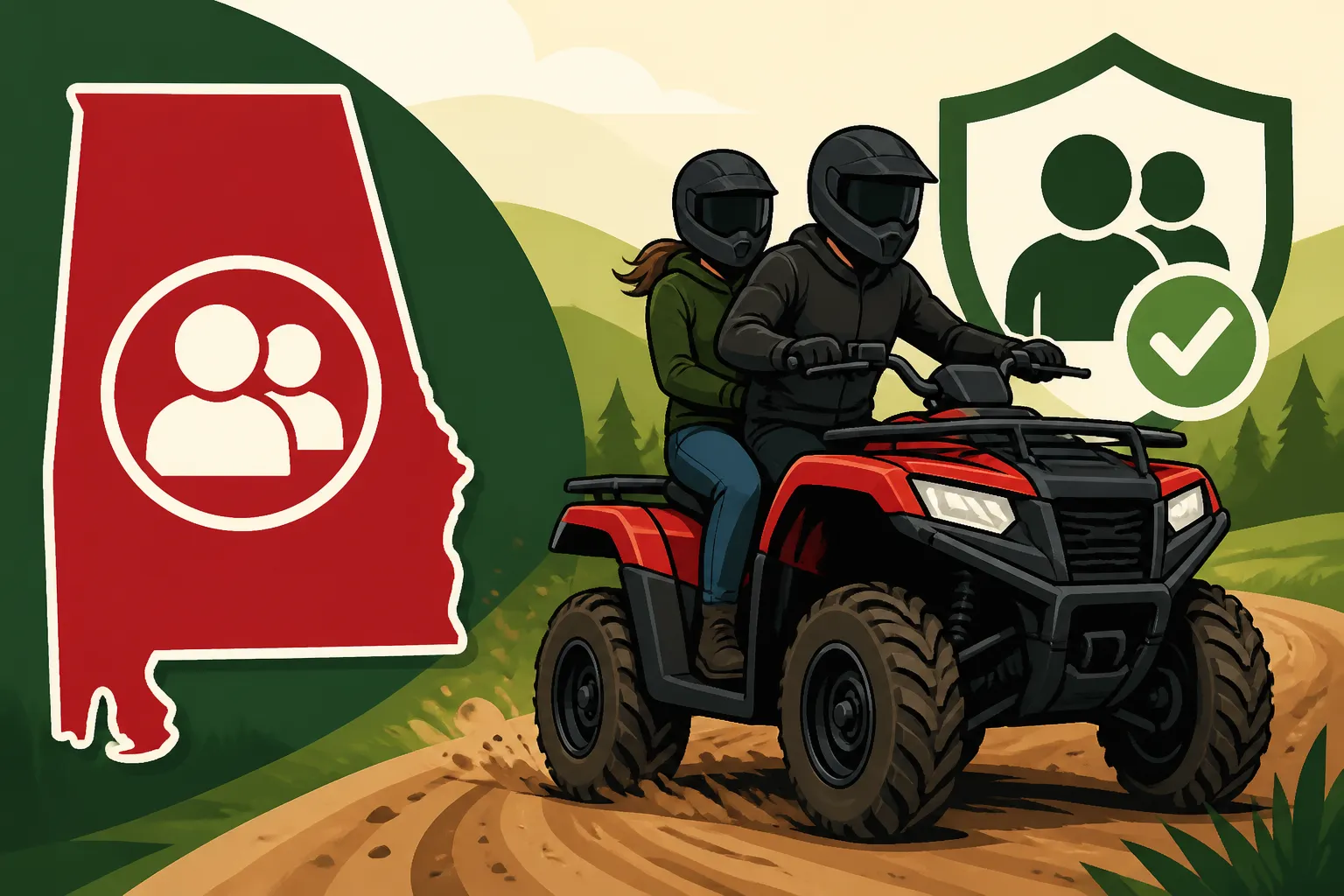
However, the market has evolved. You'll find "two-up" ATVs, which are purpose-built to carry a driver and one passenger. These machines feature an extended seat, often with a backrest, and dedicated footwells or footrests for the passenger, along with grab handles. They're typically longer and heavier than their single-seat counterparts, with suspension and frames designed to handle the additional weight and different weight distribution. If you’re considering carrying a passenger, the machine's design is your first and most critical indicator of whether it's safe or even remotely advisable. Many riders looking to enhance the safety and comfort of their two-up machines might even look for aftermarket accessories from reputable brands like SuperATV to ensure their passenger has the best experience.
Alabama's Legal Silence (and What It Means)
Here's the kicker: Alabama's off-road vehicle statute, found in Chapter 27 of Title 32, doesn't specifically address whether you can carry a passenger on an ATV. This isn't a loophole that means "anything goes." Instead, it means that common sense, manufacturer recommendations, and specific park or land owner rules take precedence. On private land that you own, or have explicit permission to ride on, the state isn't going to send an officer out to cite you specifically for carrying a passenger on a single-seat quad unless reckless endangerment or another existing law is violated. However, this absence of a state-wide ban doesn't make it safe, legal everywhere, or free from civil liability if an accident occurs.
Think of it this way: the law doesn't explicitly forbid juggling chainsaws while riding a unicycle in your backyard, but that doesn't mean it's a good idea or that you wouldn't be liable if you hurt someone. When it comes to public lands, designated riding parks, or even organized events, this legal silence changes dramatically. These entities often have their own specific rules regarding passengers, which we'll dive into shortly. It's vital to understand that while Alabama may not have a specific "no two-up on a one-up quad" law, other laws, like those covering negligence or the general operation of a vehicle, could still come into play if an incident occurs.
The Crucial Distinction: ATVs vs. Side-by-Sides
When we talk about passengers, it's absolutely crucial to distinguish between traditional ATVs (quads) and Side-by-Sides (SxS or UTVs). This is where a lot of the confusion and risk originates. Side-by-sides are designed for multiple passengers. They come with bucket seats or bench seating, roll cages, seatbelts, and often doors. They operate much more like a small car, with a steering wheel and foot pedals. Because of these design features, carrying passengers in a UTV is generally safe and intended by the manufacturer, provided everyone is buckled up and seated properly. Many a family adventure across the rolling hills of Alabama is enjoyed safely in a UTV.
Alabama's legal definitions also acknowledge this difference. While a traditional ATV is typically defined by its saddle seat and handlebar steering, a Side-by-Side falls under the broader "ROV" (Recreational Off-Highway Vehicle) category and is inherently built for more than one person. This distinction is vital because the safety profile and legal implications for carrying passengers are completely different. If you intend to regularly carry passengers, especially family or friends, a UTV is almost always the safer and more appropriate choice. You can find more clarity on the legal definitions by reading up on [Alabama ATV and ROV Legal Definitions].
Safety First: Why Passengers on Quads Can Be Risky
Even if there isn't a specific law against it on private land, the safety implications of carrying a passenger on a single-seat ATV are enormous. As a veteran rider, I've seen firsthand the outcomes when people underestimate the physics involved. It's not just about fitting two bodies on one machine; it's about control, balance, and the machine's fundamental design.
Balance, Weight Distribution, and Control
A single-seat ATV is meant to be ridden actively. The rider shifts their weight, leans into turns, and uses their body to help navigate obstacles and maintain stability. This rider input is fundamental to how an ATV handles. When you add a passenger, especially an inexperienced one, they cannot perform these critical actions. Their weight becomes dead weight, fixed in position, dramatically altering the machine's center of gravity. This makes the ATV incredibly unstable. Turning becomes harder, as the machine wants to push straight rather than lean. Climbing hills can become precarious, as the front end might lift unexpectedly or the rear tires lose traction due to improper weight distribution.
Imagine trying to ride a bicycle with someone sitting on your handlebars – it's awkward, dangerous, and makes controlling the bike incredibly difficult. An ATV, while more stable than a bicycle, still relies heavily on the rider's active engagement. A passenger can't engage in the same way, which means the driver has to compensate for all that extra, static weight. This compensation drastically increases driver fatigue and reduces their ability to react quickly to changing terrain or unexpected hazards.
The Lack of Proper Handholds and Footrests
Manufacturers design ATVs with ergonomics for a single rider in mind. The footpegs are placed to provide stable footing for the driver's feet, allowing them to absorb bumps and brace themselves. The handlebars are for steering and control, not for a passenger to hold onto securely. When you put a passenger on a single-seat ATV, they often have nowhere secure to put their feet. They might try to squeeze onto the driver's footpegs, or dangle their feet precariously. Neither option is safe. If their feet slip or get caught, it could lead to injury or even cause them to fall off the machine.
Similarly, there are no dedicated grab handles for a passenger on a single-seat quad. They might try to hold onto the driver, the rear rack, or even the fenders. None of these offer a secure, stable grip, especially over rough terrain. A sudden bump, a sharp turn, or an unexpected stop can easily throw an unbraced passenger from the machine. This is a primary reason why purpose-built two-up ATVs and UTVs have dedicated handholds and footwells – because they are essential for passenger safety. Aftermarket products, like those from SuperATV, might offer some cargo enhancements, but they aren't designed to make a single-seat quad safe for passengers in the way an OEM two-up design is.
Increased Risk of Rollovers and Ejections
The cumulative effect of altered weight distribution, reduced control, and inadequate passenger bracing dramatically increases the risk of serious accidents. Rollovers become much more likely because the ATV's stability is compromised. A machine that would normally handle a specific slope or turn gracefully with one rider might become tippy or lose traction with two. If the ATV does roll, an unsecure passenger is almost guaranteed to be ejected, often with catastrophic consequences. Unlike a UTV with its roll cage and seatbelts, a traditional ATV offers no protection in a rollover scenario beyond the rider's own gear and quick reflexes.
Even less severe incidents, like hitting a large bump or rock, can lead to a passenger being thrown off. The sheer inertia of two bodies on one machine amplifies the forces at play. For instance, if you're taking a child on a ride, even on flat ground, a small dip could cause them to lose their grip and fall. This is why organizations like the ATV Safety Institute strongly advise against carrying passengers on single-seat ATVs. The risks simply outweigh any perceived convenience or fun. For information specific to young riders, consider reviewing [Alabama Rules for a Child Passenger] and [Alabama Rules for a Teen Rider].
Where Alabama Rules Do Come Into Play for Passengers
While Alabama's general statute on off-road vehicles might be quiet on the passenger issue, that doesn't mean it's a free-for-all. Other entities and specific situations absolutely have rules, and knowing them is critical to staying safe and legal.
Public Lands and Designated Riding Areas
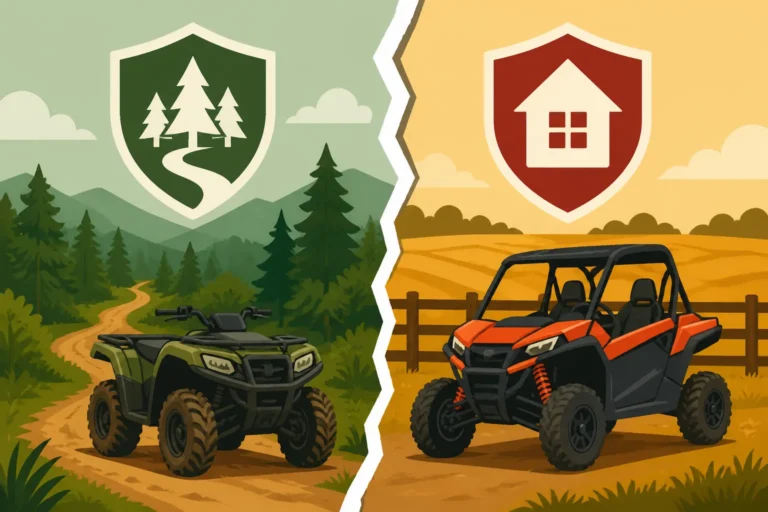
This is where you'll find the most explicit rules about passengers. State parks, national forests, and privately owned OHV parks often have very clear guidelines, and sometimes outright bans, on carrying passengers on single-seat ATVs. These rules are put in place for safety, to minimize liability, and to maintain the integrity of their trails. For example, a designated riding area like Stony Lonesome OHV Park might have specific age restrictions for riders or rules about who can be a passenger, especially if it's on a two-up machine or a side-by-side. You'll often see these rules posted prominently at entry points or on their websites.
Wildlife Management Areas (WMAs) in Alabama also have specific regulations, and while they primarily focus on hunting and fishing, they often include rules about vehicle use. You can look into [Alabama WMA Riding Rules] to understand the nuances. Generally, if you're riding on public land, assume there are stricter rules in place. Always check with the specific land management agency or park office before you go, especially if you plan to bring a passenger. They will be able to tell you definitively whether your machine, with a passenger, is permitted on their trails.
Private Property and Landowner Liability
Even on private property, the rules of the game change once you bring others onto the land. If you own the land, you generally have more leeway, but you still have a responsibility to ensure a safe environment. If an accident occurs while you're carrying a passenger on your single-seat ATV on your own property, and that passenger is injured, you could still face civil liability. The legal argument wouldn't be about whether you broke a specific ATV passenger law, but rather whether you acted negligently in allowing someone to ride in an unsafe manner on a machine not designed for two.
If you're riding on private land owned by someone else, perhaps a friend's farm or a hunting club's lease, you need to understand their rules. Landowners have the right to set their own policies, and many will explicitly forbid carrying passengers on single-seat ATVs for the very reasons we've discussed: safety and liability. Always get clear permission and understand any specific rules they might have before riding, especially with a passenger. A simple [Landowner Permission Letter] can protect both parties.
Age and Supervision for Young Riders
While not directly about "passengers" in the traditional sense, age restrictions and supervision rules are highly relevant when considering who can even be on an ATV, whether as a driver or a passenger. Alabama doesn't have a mandatory minimum age for operating an ATV on private property, but it does have specific recommendations and implied rules for public access. Many private OHV parks, however, will have their own minimum age requirements for riders, and sometimes for passengers on appropriate machines. You can find out more about [Alabama Private Park Age Minimums].
If you're considering taking a child as a passenger on a two-up ATV or in a UTV, ensuring they are appropriately sized for the machine, wearing proper safety gear (including a helmet—even if [Alabama Helmet Rules on Private Land] are ambiguous for ATVs, it's always wise for passengers), and are mature enough to follow instructions is paramount. Remember that a child's smaller body can be more susceptible to injury, and their ability to hold on or brace themselves might be limited, even on a machine designed for passengers. Always ensure that the passenger can reach the footrests and hold on securely to the grab handles provided.
Best Practices for Carrying Passengers (When Permitted and Safe)
So, you've decided to carry a passenger. The safest approach is to do so only on a machine designed for it, and only in situations where it's permitted by the landowner or park. If you're going to share the ride, here's how to do it as safely and responsibly as possible.
Choosing the Right Machine for Two Riders
This cannot be stressed enough: if you want to ride with a passenger, invest in a machine built for it. A purpose-built two-up ATV or a side-by-side (UTV) is the only truly safe option. These machines have the structural integrity, suspension, seating, and safety features (like seatbelts and roll cages in UTVs) to handle an additional person. Trying to modify a single-seat ATV with an aftermarket "buddy seat" or similar accessory might seem like a cost-effective solution, but it doesn't change the fundamental design limitations of the machine, nor does it make it safe.
When you choose a two-up ATV or UTV, you're not just buying a machine; you're investing in the safety and enjoyment of your riding partner. Look for features like comfortable, separate seating, dedicated passenger handholds that are easy to reach and secure, and footwells or footrests that provide full support. This will make a world of difference in stability and passenger comfort. For example, some UTV owners might add extra grab handles or harness systems from companies like SuperATV to further enhance passenger security, which is a smart move if you're frequently riding rough trails.
Essential Safety Gear for Both Rider and Passenger
Whether you're on a single-seat machine (not recommended for passengers) or a purpose-built two-up, safety gear is non-negotiable for both the driver and the passenger. Even though Alabama's helmet law primarily targets motorcycles, wearing a helmet on an ATV is always the smartest choice for both riders. You can learn more about [Why the Helmet Statute Was Written for Motorcycles] and why it's still prudent for ATVs. Choose a DOT-compliant helmet that fits snugly. Eye protection is also crucial; goggles or a face shield will protect against dust, debris, and insects, especially when you're roaring through the Alabama backcountry.
Beyond headgear, long sleeves, long pants, gloves, and sturdy over-the-ankle boots are essential. This clothing protects against scrapes, impacts, and exhaust burns. Passengers, especially, need to be fully outfitted as they are often less able to brace themselves or react to hazards. Make sure all gear fits properly and doesn't impede movement or vision. A small investment in quality gear can prevent significant injuries. When [Choosing a Helmet When Alabama Does Not Require One], remember that protection is always better than regret.
Communication and Rider Responsibility
If you're carrying a passenger, effective communication is vital. Before you even start the engine, discuss riding expectations. Explain how the machine will move, what types of terrain you'll be covering, and what your passenger needs to do (e.g., "lean with me," "hold on tight," "keep your feet on the pegs"). Establish clear hand signals or verbal cues if talking over the engine noise is difficult. This is especially important if you're navigating technical trails or planning more aggressive maneuvers.
As the driver, you bear the ultimate responsibility for your passenger's safety. This means adjusting your riding style significantly. Ride slower, take smoother lines, and avoid sudden accelerations, braking, or sharp turns. Be extra vigilant for obstacles and give yourself more time and space to react. Constantly check on your passenger, both visually and verbally, to ensure they are comfortable and secure. Remember, your goal is to share the experience, not to show off or push the limits. By taking these precautions, you ensure that everyone can enjoy the natural beauty and thrilling trails that Alabama has to offer, safely.
Disclaimer
This article is for general informational purposes only and does not constitute professional advice. Laws, prices and regulations vary by location and change over time. Consult a qualified professional for guidance on your specific situation.