Alabama’s Conflicting ROV Weight Figures
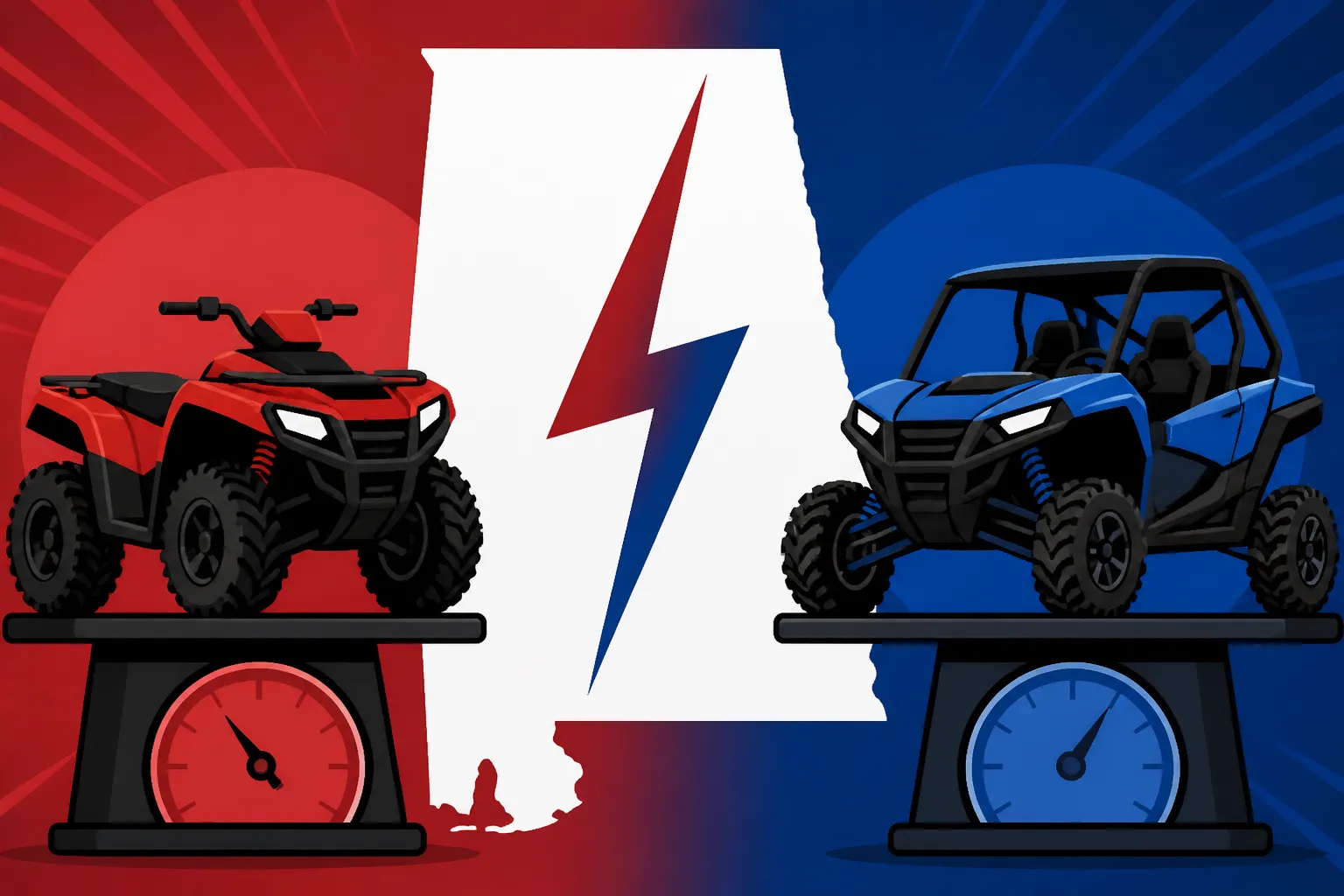
It’s a real head-scratcher when you’re trying to understand the rules for your off-road machine in Alabama, only to find that the very definition of what you own seems to shift depending on which official document you’re reading. This guide is all about untangling the frustrating reality of Alabama’s conflicting weight figures for Recreational Off-Highway Vehicles (ROVs), helping you understand why these discrepancies exist and what they could mean for you as an owner.
The Tangled Web of ROV Definitions in Alabama
If you've spent any time looking into the legalities of owning and operating a side-by-side or UTV in Alabama, you've probably felt that familiar pinch of confusion. It feels like you’re trying to hit a moving target when it comes to understanding what the state considers your machine to be. One minute, you think you’ve got it figured out, and the next, a different piece of information throws everything into question. This isn't just academic; these precise definitions, particularly concerning weight, can directly influence how you register your machine, where you can ride it, and even how it's treated in the eyes of the law.
Why Weight Matters More Than You Think
When we talk about the weight of your ROV, it's not just a number on a spec sheet. In the world of state regulations, weight is often a crucial factor in classifying a vehicle. For instance, smaller, lighter machines might be categorized differently than their heavier counterparts, leading to different rules regarding registration tiers, age requirements for operators, or even specific trail access. Think about it: a nimble, single-rider ATV has a very different impact on a trail than a large, multi-passenger side-by-side loaded with gear. The state uses these classifications, often based on weight, to try and manage that impact and ensure public safety. Without clear, consistent definitions, owners are left guessing, which can inadvertently lead to non-compliance or unnecessary restrictions.
The Core Frustration of Contradictory Information
The real pain point for many Alabama ROV owners is encountering information that seems to directly contradict itself. You might read one section of the state's statutes that defines an ROV with a certain weight limit, only to find another section, or even a different agency's guidance, that uses a completely different number. It’s enough to make you throw your hands up in frustration! You want to be a responsible owner, you want to follow the rules, but how can you do that when the rules themselves aren't consistent? This kind of ambiguity doesn't just create confusion; it fosters uncertainty about your legal standing and can make you worry about potential penalties, even when you're doing your best to comply. It's a common struggle for folks trying to make sense of complex regulations.
Statute One: The 3,500-Pound Threshold
One of the prominent weight figures you'll encounter when delving into Alabama's definitions for ROVs is the 3,500-pound limit. This number often surfaces in the primary legislation that outlines the very nature of these recreational vehicles. Understanding where this figure comes from and what it encompasses is vital for anyone trying to classify their machine accurately and ensure they are on the right side of the law. It sets a broad standard that many side-by-sides fall under.
Where This Figure Appears in Alabama Law
This 3,500-pound dry weight figure for ROVs is typically found within the foundational statutes that govern off-road vehicles in Alabama, specifically within the state code that defines these machines. This particular statute aims to provide a clear distinction between what constitutes an ATV and what qualifies as an ROV. Historically, as side-by-sides grew in popularity and capability, legislators needed to create a category that adequately captured their characteristics, which often include larger frames, multiple seating positions, and increased cargo capacity compared to traditional ATVs. This specific weight threshold helps to delineate that category, ensuring that machines of a certain size and heft are regulated under the ROV umbrella. It's designed to cast a wide net, encompassing many of the modern utility and sport side-by-sides commonly seen on trails and farms across the state. You can learn more about these fundamental definitions in [Alabama's ATV and ROV Legal Definitions].
What "Dry Weight" Truly Means for Your Machine
When the law specifies "dry weight," it's not just a casual term; it has a very particular meaning. Dry weight refers to the weight of the vehicle as it rolls off the factory floor, completely empty of all fluids (like fuel, oil, coolant), without any passengers, cargo, or aftermarket accessories. This is the baseline weight the manufacturer provides in the vehicle's specifications. For owners, this is an important distinction because as soon as you add a full tank of gas, oil, coolant, a heavy-duty winch, a roof, a sound system, or even just your riding gear, the actual operating weight of your machine will increase significantly. While these additions are practical for riding, the legal definition typically sticks to that original dry weight. This means you need to know your machine’s factory specifications, which are usually available in the owner's manual or on the manufacturer's website. If you’re ever asked to verify your ROV’s classification, that factory dry weight is what you'll typically refer to.
Statute Two: The 2,500-Pound Limit
Just when you thought you had a handle on things with the 3,500-pound definition, another figure often pops up, causing a fresh wave of confusion: the 2,500-pound limit. This second weight figure can feel contradictory, leaving owners wondering which guideline they should actually follow. It's this kind of legislative duality that makes navigating off-road vehicle rules in Alabama so challenging and often frustrating for the average enthusiast.
Identifying the Other Defining Statute
The 2,500-pound figure, while seemingly at odds with the 3,500-pound definition, usually stems from a different section of Alabama's legal framework, or perhaps an older, un-updated definition that still lingers in some legislative corners. This figure might be part of an older or more general statute that encompasses a broader range of recreational vehicles, or even a specific chapter related to their use on certain types of public lands or in specific scenarios. Sometimes, these inconsistencies arise when new legislation is passed to address evolving vehicle types (like larger side-by-sides), but older, more general definitions are not explicitly repealed or updated across all relevant sections of the law. It creates a situation where different parts of the code might not fully align, leading to a legal gray area. For instance, one definition might be geared towards general registration, while another might relate specifically to trail access regulations. This is why it’s so critical to understand the full scope of [What Alabama's Off-Road Vehicle Statute Covers].
The Historical Context of These Differences
The existence of conflicting definitions isn't usually born out of malice; it often arises from the natural evolution of both technology and legislation. Think back a couple of decades: side-by-sides as we know them today were less common, and many "ROVs" might have been smaller, less powerful machines. Early definitions were crafted to fit the vehicles of that era. As manufacturers developed larger, more capable, and heavier side-by-sides, the need for new, updated definitions became apparent. Lawmakers responded, but sometimes these updates don't perfectly overwrite or harmonize with every existing piece of legislation. It's like building an addition onto an old house without updating all the original blueprints—some parts might still reference the old structure. This legislative layering can leave behind legacy definitions that, while perhaps once accurate, now create discrepancies when compared to newer, more precise statutes. This historical context helps explain why these conflicts exist, even if it doesn't make them any less confusing for the modern owner.
Practical Implications for Alabama ROV Owners
So, what do these conflicting weight figures actually mean for you, the ROV owner, on a day-to-day basis? This isn't just an abstract legal debate; it has very real consequences for how you register, equip, and operate your side-by-side or UTV in Alabama. Understanding these implications is key to avoiding potential headaches and ensuring you're compliant, even in the face of legal ambiguity.
How Conflicting Weights Impact Registration Choices
The weight of your ROV is a critical factor when it comes to registration in Alabama, particularly regarding the choice between the "public use" and "private use" tiers. While Alabama's ATV and ROV registration is voluntary, it becomes necessary if you plan to ride on any public lands. The fees and requirements for these tiers can differ, and the classification of your machine (influenced by weight) can dictate which tier you fall under, or even if your machine qualifies for certain uses at all. If your machine's weight is interpreted differently under various statutes, it could complicate matters. For example, if one statute's definition of an ROV includes your machine, but another's excludes it based on a different weight limit, it could create uncertainty about your eligibility for certain public access permits or even whether you need to register at all for specific activities. This is why knowing whether you need [Alabama Public Use ATV Registration Explained] or [Alabama Private Use ATV Registration Explained] is so important. When you go to [Registering a Side-by-Side in Alabama], you'll want to ensure you're providing accurate information based on the most current and relevant definitions, which can be tricky with conflicting data.
Accessories, Modifications, and Their Effect on Weight
Another crucial aspect to consider is how aftermarket accessories and modifications impact your ROV's weight. Remember, legal definitions often refer to the dry weight from the factory. However, virtually every ROV owner adds something: winches, bigger tires, lift kits, heavy-duty bumpers, sound bars, full cabs, plows, or even just a cooler full of ice for a long day on the trails. Each of these additions adds weight. While they don't change your machine's factory dry weight for classification purposes, they certainly change its operating weight. This increased weight can affect your machine's handling, braking, and overall performance, and it might even push you beyond practical weight limits for certain bridges, trailers, or even designated trail sections that have posted weight restrictions. It's a fine line between customizing for functionality and adding so much weight that you start encountering issues, even if the legal classification remains tied to the dry weight. Always be mindful of the total weight your machine carries, especially when considering heavy accessories or carrying multiple passengers and cargo.
Navigating the Legal Gray Areas
When faced with conflicting information regarding your ROV's weight and classification, it’s easy to feel lost in the shuffle. However, there are proactive steps you can take to navigate these legal gray areas. The goal isn't just to stay out of trouble, but to ride with confidence, knowing you've done your due diligence in understanding the rules. Being prepared and well-informed is your best defense against confusion.
Consulting Official Sources for Clarity
Your first and best line of defense against conflicting information is to consult official sources directly. While the internet is a great resource, relying solely on forums or anecdotal evidence can exacerbate confusion. The Alabama Law Enforcement Agency (ALEA) and your local county probate office are excellent starting points. ALEA typically handles the voluntary registration of off-road vehicles, and their website or direct contact lines might offer the most up-to-date interpretations of the statutes. County offices, especially those handling titling and registration, are often on the front lines of interpreting these rules for the public. When you call or visit, be specific about your machine’s model year and factory specifications. Ask open-ended questions like, "Given a side-by-side with a 3,000-pound dry weight, how is it classified under current Alabama law for registration purposes?" While you might still encounter varying interpretations, getting information directly from the source is invaluable. It’s also wise to check for [Alabama Registration Questions Clerks Hear] before you go, as they might have answers to common issues.
Documenting Your ROV's Specifications Accurately
Beyond just knowing the rules, having clear, accurate documentation for your specific ROV is crucial. This includes your original bill of sale, the manufacturer's certificate of origin (MCO) if it's a newer machine, and the owner's manual which lists the official dry weight and other specifications. If you're buying or selling a machine, ensure that all documents, such as a bill of sale, clearly list the VIN and the manufacturer-stated dry weight. This level of detail can protect both buyer and seller. Services like LawDepot can be helpful if you need templates for bills of sale or other legal documents, ensuring you include all necessary information to accurately describe your machine's specifications. Always keep copies of these documents with you when transporting or riding your machine, especially if you anticipate being questioned about its classification. This documentation serves as tangible proof of your machine's factory specifications, which can be essential in resolving any discrepancies or challenges regarding its legal definition. This is especially true when it comes to [Alabama Bill of Sale Requirements].
| Statute | Reported Weight Limit (Dry) | Common Interpretation | Typical Application | Source Agency/Context |
|---|---|---|---|---|
| Primary Off-Road Vehicle Statute | 3,500 pounds | Broader ROV definition | General classification, newer side-by-sides | ALEA, Titling & Registration |
| Companion/Older Statute | 2,500 pounds | Potentially narrower ROV or ATV-like definition | Older machines, specific trail rules | Specific county offices, historical regulations |
Beyond Weight: Other ROV Defining Characteristics
While weight is a significant factor in defining and classifying ROVs in Alabama, it’s far from the only one. Other characteristics play an equally important role, often working in conjunction with weight limits to create a comprehensive legal definition. Understanding these additional factors can further clarify where your particular machine stands in the eyes of the law and prevent further confusion when interpreting regulations.
Width Limits and Their Role in Classification
Just like weight, the width of your ROV is a critical distinguishing characteristic. Alabama law, similar to many other states, often includes width restrictions as part of its definition for various off-road vehicles. For instance, ATVs are typically defined as having a maximum width, often around 50 or 60 inches. ROVs (side-by-sides), being larger, generally have a wider allowance, perhaps up to 80 inches. These width limits are not arbitrary; they directly relate to trail access. Many public trails, particularly those originally designed for ATVs or single-track vehicles, have physical barriers or narrow sections that prevent wider machines from passing. Exceeding these width limits can lead to fines, damage to trails, or even being turned away from an OHV park. Therefore, even if your machine's weight is within limits, if it's too wide for a particular definition or trail, you could still face issues. Always check the specifics like [Alabama ROV Width and Weight Limits] and be aware of [60 Inches and 1,500 Pounds] for ATVs, as these are often contrasted.
Tire Type and Federal Safety Standards
The type of tires equipped on your ROV is another key element in its legal definition, particularly when discussing potential road use or federal safety standards. Alabama's off-road vehicle statutes often specify that these machines are equipped with "non-highway tires." This is a crucial distinction, as it immediately signals that the vehicle is not designed or intended for public road use. Highway tires, in contrast, meet specific Department of Transportation (DOT) standards for on-road safety, traction, and durability. The lack of these highway-rated tires, along with other missing safety features, is precisely why a standard ROV cannot legally be driven on most Alabama public roads, regardless of how light it is or how many accessories it has. This also ties into federal regulations like the Federal Motor Vehicle Safety Standards (FMVSS). For a vehicle to be truly "street legal," it must meet FMVSS, a standard that virtually no factory-built ROV achieves. Understanding that [Non-Highway Tires in the Definition] is a disqualifier for road use is essential for all ROV owners.
Disclaimer
This article is for general informational purposes only and does not constitute professional advice. Laws, prices and regulations vary by location and change over time. Consult a qualified professional for guidance on your specific situation.