60 Inches Wide at Most
There's a common head-scratcher many Alabama ATV and UTV riders encounter: the nagging question of how wide your machine can actually be when you want to hit the trails. It's a real frustration when you're looking at a shiny new side-by-side or even some sport quads, only to hear whispers of a "60-inch rule" that might keep you off your favorite public lands. This guide is here to untangle that specific width requirement, what it means for different types of off-road vehicles in our great state, and how you can make sure your machine fits the bill so you can ride with peace of mind.
Unpacking Alabama's ATV Definition: The 60-Inch Rule
Navigating the nuances of Alabama's off-road vehicle laws can sometimes feel like trying to ride a creek bed blindfolded – confusing and potentially risky. One of the most critical aspects, especially for those looking to enjoy public trails, revolves around the physical dimensions of your machine. Specifically, the "60 inches wide at most" rule is a recurring point of discussion and, frankly, a source of anxiety for many riders.
What the Statute Says About ATVs
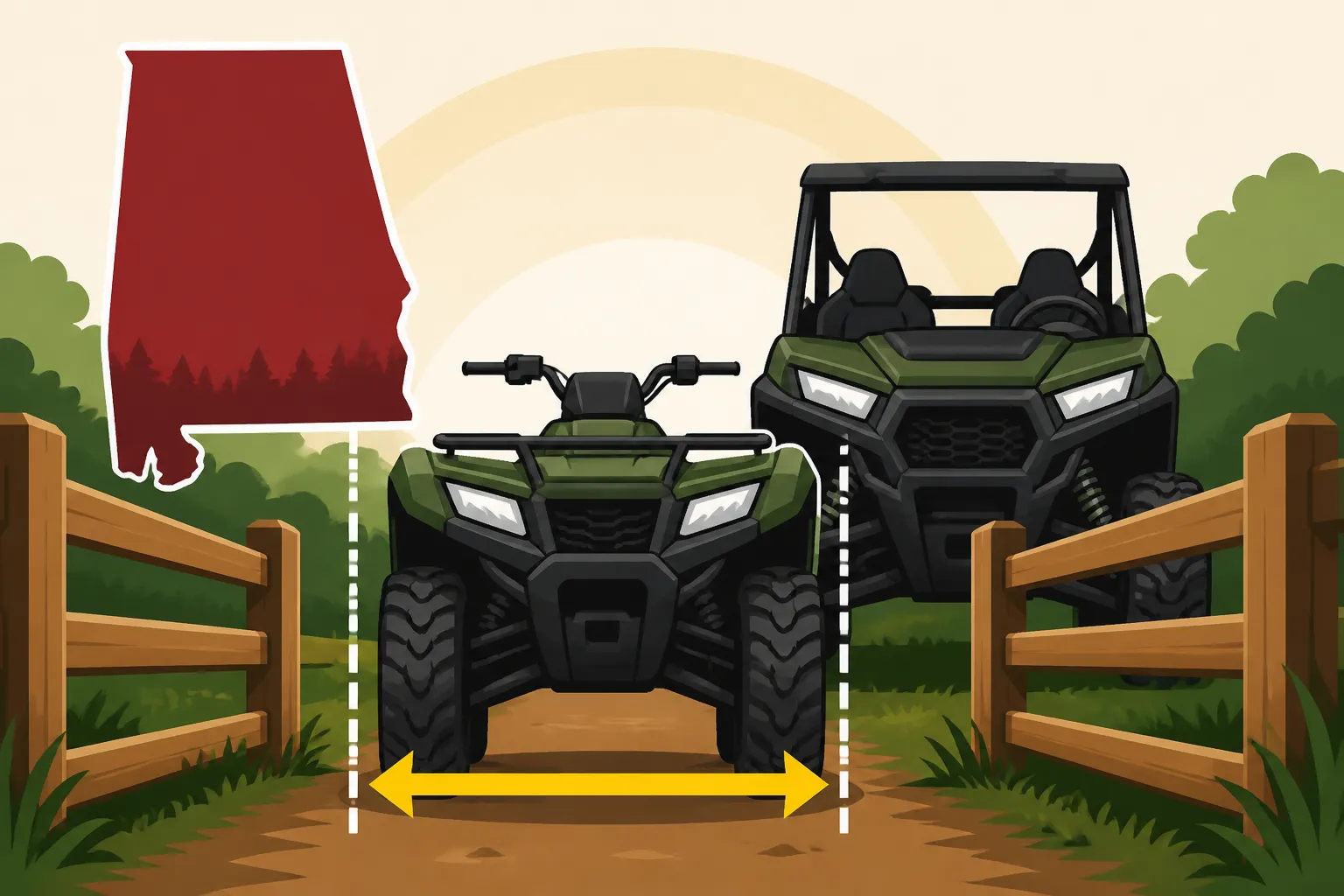
Let's cut right to the chase with what Alabama's official language defines as an All-Terrain Vehicle (ATV). When the statute talks about an ATV, it specifically refers to an off-highway vehicle that is 60 inches or less in width. This isn't just a guideline; it's a fundamental part of the legal definition that dictates how your machine is classified and, by extension, where it can legally go, especially on public property or designated trails. It's tough when you've invested in a machine you love, only to find out a couple of inches could sideline you from certain riding spots.
This specific width limit has significant implications. If your quad, for example, measures 61 or 62 inches from its widest points (usually the outer edges of the tires), it technically doesn't fit the state's legal definition of an "ATV" for certain regulated purposes. This can lead to confusion because while it might look and feel like an ATV, the legal framework differentiates it. Understanding these precise definitions is crucial for avoiding unintended legal hiccups down the road. You can dive deeper into these distinctions by looking at [Alabama's ATV and ROV Legal Definitions].
The Rationale Behind the Measurement
So, why 60 inches? It might seem like an arbitrary number, but there's a practical and environmental logic behind it. Many public trails, especially those managed for multi-use or conservation, are designed with narrower widths to minimize environmental impact, prevent erosion, and preserve the natural landscape. Wider machines can damage trail edges, create wider ruts, and simply don't fit through gates or tight turns intended for traditional ATVs.
Think about it from the perspective of trail maintenance and sustainability. A 60-inch limit helps ensure that the vast network of trails across Alabama, from national forests to county parks, remains accessible and enjoyable for a variety of users without being perpetually widened or degraded by oversized vehicles. It's a balance between providing riding opportunities and protecting the natural resources we all cherish. For this reason, many parks, such as sections of [Stony Lonesome OHV Park in Alabama], might have specific trail designations based on vehicle width.
How to Measure Your Own Machine
Before you even think about hitting a restricted trail, knowing your machine's exact width is paramount. Don't just rely on the manufacturer's brochure, especially if you've added aftermarket accessories. Grab a tape measure and conduct a quick, accurate measurement yourself. You'll want to measure from the outermost edge of one tire to the outermost edge of the opposite tire, at the widest point.
This measurement should include any wheel spacers, wider tires, or other modifications that extend beyond the original factory width. Sometimes, accessories like fender flares or even certain footpegs can add just enough width to push you over the limit. It’s always better to be certain than to show up at a trail head and be turned away, or worse, cited for non-compliance. A quick measure at home can save you a lot of grief out on the trail.
The Side-by-Side Exception: When Width Limits Expand
While the 60-inch rule is firmly in place for what Alabama defines as an All-Terrain Vehicle, the landscape changes significantly when we talk about side-by-sides, also known as Recreational Off-Highway Vehicles (ROVs) or Utility Task Vehicles (UTVs). It’s a common misconception that all off-road vehicles fall under the same blanket rules, and that assumption can lead to serious headaches.
Alabama's ROV/UTV Definition and Wider Limits
Thankfully, Alabama law recognizes the distinct nature of side-by-sides, offering them a more accommodating width limit. For these multi-passenger or utility-focused machines, the legal definition in Alabama allows for a width of up to 80 inches. This distinction is crucial because it acknowledges the design and intended use of these larger vehicles, which often feature roll cages, multiple seats, and greater cargo capacity, inherently making them wider than a traditional ATV.
This broader limit for ROVs means that most standard side-by-sides can legally traverse public lands and designated trails that permit ROV access. It’s a huge relief for families and groups of friends who enjoy riding together in a UTV, knowing that their machine’s dimensions are typically well within the legal parameters for these types of vehicles. For a full breakdown of specific dimensions, including weight, refer to [Alabama ROV Width and Weight Limits].
Navigating the Grey Areas
Despite these clear definitions, there are always machines that seem to blur the lines. What about those incredibly sporty, high-performance UTVs that are designed more for recreation than utility? Or what if someone modifies an ATV with an aftermarket kit that significantly widens its stance? In these cases, it's the legal definition that matters most, not just how the manufacturer markets the vehicle. A machine that started as an ATV but was modified to be 65 inches wide will still be treated as an ATV that exceeds its statutory width limit, not a "small ROV."
This gray area can be frustrating, especially for enthusiasts who love to customize their rides. It’s important to remember that even if a modification makes your machine look more capable, it might inadvertently push it out of a legal category for certain riding areas. Always revert to the official definitions when in doubt, and understand that local enforcement will judge your vehicle by its actual measurements against those definitions.
Impact on Trail Access and Regulations
The differing width limits for ATVs (60 inches) and ROVs (80 inches) directly translate into where you can and cannot ride. Many public lands, especially federal and state parks, have specific trails or areas designated for ATVs, and others for ROVs, with some trails potentially excluding ROVs altogether due to their wider footprint. This isn't just about fitting through gates; it's about preserving the integrity of the trail system.
For example, a winding, narrow trail designed for a 60-inch quad might be impassable or severely damaged by an 80-inch side-by-side. It's why park rangers and land managers are often quite strict about these rules. Before you load up your machine and head out, always double-check the specific regulations of your intended riding destination. This proactive step can save you a wasted trip and potential penalties. A good starting point for understanding these general regulations can be found in [What Alabama's Off-Road Vehicle Statute Covers].
Practical Implications for Alabama Riders
Understanding the letter of the law is one thing, but applying it to your everyday riding experiences in Alabama is where the rubber meets the red clay. The "60 inches wide at most" rule, along with its ROV counterpart, has very real consequences for where you can ride, how you equip your machine, and what kind of paperwork you need to carry.
Public vs. Private Land Riding
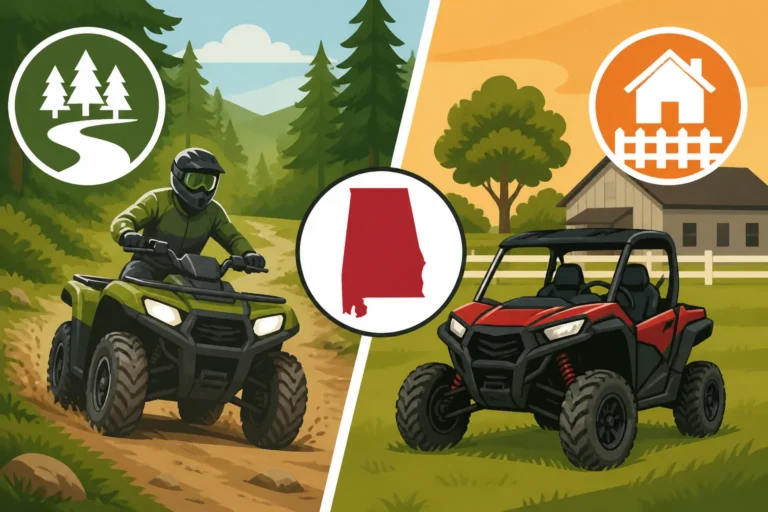
Perhaps the most significant implication of these width rules lies in the distinction between public and private land. Generally speaking, the strict 60-inch (for ATVs) and 80-inch (for ROVs) width limits are primarily enforced on public lands, such as state parks, designated OHV areas within national forests, and Wildlife Management Areas (WMAs). These are the places where regulations are designed to protect natural resources and ensure fair use for all.
On private land, with the explicit permission of the landowner, you typically have much more flexibility. If you're riding on your own property, a friend's farm, or a hunting club lease, the state's width restrictions generally don't apply, unless a local city or county ordinance has specific rules that might affect even private property. However, it's always wise to use common sense and consider the impact your wider machine might have on the land you're riding. For more on the distinctions, check out [Alabama Public Use Versus Private Use].
Avoiding Fines and Frustration
Nobody wants their exciting day of riding to end with a ticket or, even worse, their machine being impounded. Riding an oversized machine on a trail restricted by width can lead to significant fines. Law enforcement officers or park rangers are well-versed in these rules and equipped to measure vehicles on the spot. It's a risk that simply isn't worth taking, especially when a quick check of your machine's dimensions and the trail rules beforehand could prevent it.
Beyond the legal penalties, there's the sheer frustration of having your plans derailed. Imagine towing your side-by-side two hours to a WMA, only to be turned away at the gate because it's a few inches too wide for the designated trails. That's a day wasted, fuel burned, and a whole lot of disappointment. Always call ahead or check the specific WMA rules, which often vary by area. You can learn more about these rules by reviewing [Alabama WMA Riding Rules for Quads].
When it comes to proving ownership, whether for a routine stop or an accident, having proper documentation is key. Even if your machine isn't titled (which applies to many older ATVs in Alabama), a clear bill of sale can establish proof of ownership. Services like LawDepot offer customizable templates for a bill of sale that ensure all necessary information, including the crucial serial number, is accurately recorded. This helps avoid questions about ownership, especially if you're dealing with a private sale. A solid [Alabama Bill of Sale Requirements] can be a lifesaver.
Purchasing and Modifying Your Machine
When you're in the market for a new ATV or UTV, especially if you plan to ride on public trails, keep these width limits firmly in mind. Before making a purchase, ask the dealer for the exact measured width of the machine, not just the manufacturer's stated specifications, as those sometimes omit widest points or account for tire variations. If buying used, bring your tape measure! It’s better to know upfront if a machine fits your riding intentions.
For those who love to customize, proceed with caution. Aftermarket modifications like wider A-arms, extended axles, or even certain tire and wheel combinations can easily push your ATV beyond the 60-inch limit. While these modifications might improve stability or performance for specific types of riding, they could inadvertently restrict your access to public trails. Always consider the legal implications of any modification you make, and keep your measurements handy.
Ensuring Compliance and Enjoying the Trails
The goal for every Alabama off-road enthusiast is to have a blast while staying safe and within the law. Knowing your machine's measurements and understanding the rules surrounding them is a huge part of achieving that. It's not about stifling fun, but about responsible riding that respects the land and other users.
Researching Your Riding Destination
The single most effective way to avoid issues with width limits is diligent research before you head out. Don't assume that because one park allows your machine, all of them will. Each county park, WMA, national forest area, or private OHV park may have its own specific rules, often prominently posted on their websites or at the entrance. A quick phone call to the park office or a visit to their official website can save you a lot of hassle.
When researching, look for sections specifically detailing ATV/ROV regulations, trail classifications, and any mention of width or weight restrictions. Sometimes, trail maps will indicate which trails are suitable for certain vehicle types. It’s also wise to check for any local city or county ordinances that might impact riding on public or private land within specific jurisdictions.
Essential Documentation for Your Ride
Beyond knowing your machine's dimensions, carrying the right paperwork is non-negotiable. Even though [Alabama Registration Is Voluntary] for many machines, if you plan to ride on public lands, you'll need a public-use registration from ALEA. This means choosing the correct tier when registering your machine. For more details on this, see [Alabama Public Use ATV Registration Explained] and [Choosing the Cheaper Tier] for comparing options.
Proof of ownership, even for older, untitled machines, is also vital. A clear bill of sale, especially one created using a reliable template from a service like LawDepot, can serve as your primary proof of who owns the machine. This document should always be with you or easily accessible. Finally, if you're riding in a WMA, ensure you have any required WMA permits or hunting licenses, as these are often tied to vehicle access.
What to Do If Your Machine Exceeds the Limit
If you've measured your ATV and found it to be wider than 60 inches, or your ROV is over 80 inches, don't despair! You still have options. Your primary option is to stick to private property where you have explicit permission to ride. Many landowners are happy to let you use their land, and on private ground, the state width rules generally won't apply.
Another avenue is to actively seek out private OHV parks that specifically accommodate wider machines. Some parks have expansive trail systems designed to handle a variety of vehicle sizes, including full-size buggies and wider UTVs. While you might have to travel a bit further, finding a park that matches your machine's capabilities ensures a worry-free day of riding. Trying to force a machine onto a restricted trail is not only illegal but can also be dangerous and damage the trail for everyone else.
Disclaimer
This article is for general informational purposes only and does not constitute professional advice. Laws, prices and regulations vary by location and change over time. Consult a qualified professional for guidance on your specific situation.