Alabama Riding Areas With Primitive Camping
A riding weekend can unravel when you arrive with a loaded trailer and discover that “camping” means an RV site, not a tent spot, or that the campsite does not connect to legal trails. This guide explains how to find Alabama riding areas with primitive camping, what to confirm before you leave, and how to plan a safer, more comfortable trip.
What primitive camping means at an Alabama riding area
Primitive sites are not the same as dispersed camping
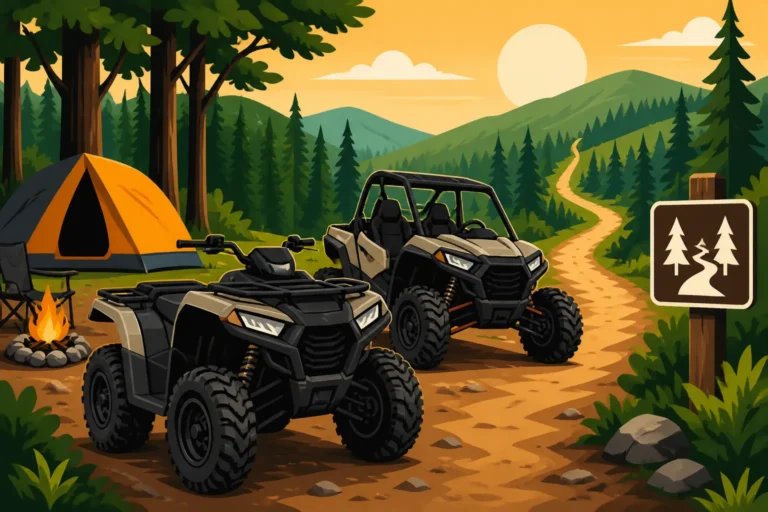
At a private riding park, primitive camping usually means a designated tent or basic campsite without full RV hookups. The site may still have access to shared restrooms, water, a bathhouse, or other park facilities, but you should not assume those are included. Ask what the site actually provides, especially if you are bringing children or camping in hot weather.
Dispersed camping is different. It generally means camping outside a developed campground, subject to the land manager’s rules about where you may stay, fires, sanitation, and how long you can remain. Being near a national forest or public riding area does not automatically give you permission to pitch a tent wherever you find a flat spot. Check the applicable land rules and trail designations before treating a forest pull-off as a campsite.
The distinction matters for riding, too. A campsite inside a private park may be close to a trail system, but you still need to confirm whether you can ride directly from the camping area, whether machines must be trailered to a staging point, and which routes are open to your type of vehicle. Camping access and riding access are separate questions.
Build your shortlist around the whole trip
Alabama has several kinds of riding destinations, including private off-road parks and public-land areas with their own access rules. Start with the broad overview in [Alabama ATV Trails: Where to Ride], then narrow your choices by vehicle type, campsite style, trail difficulty, and travel distance. A place that is ideal for a long weekend in a side-by-side may not suit a family looking for easy quad trails and a quiet tent site.
For private parks, check whether primitive camping is offered at the same time you plan to visit. Some facilities may have limited camping areas, seasonal schedules, or reservation requirements. For public land, confirm that overnight camping is allowed in the specific location and that the routes you intend to ride are open to your machine. A map showing a road or trail is not, on its own, permission to camp or ride there.
Use mapping tools as planning aids, not as a substitute for the park’s rules. For example, onX Offroad can help you study an area and think through route options before the drive. Then compare what you see with the park’s current trail map or the relevant land manager’s information. That second check can prevent an unpleasant surprise at a gate or trail junction.
Alabama riding areas to investigate
Stony Lonesome OHV Park
Stony Lonesome OHV Park in Bremen is one Alabama destination to investigate if you want to combine off-road riding and camping. The park has a substantial trail system, but trail access, campsite availability, and the type of camping offered can depend on the park’s operating arrangements and rules. Start with [Stony Lonesome OHV Park in Alabama] and confirm directly with the park before planning around a particular site.
Ask specifically whether the camping option you want is primitive tent camping or an RV-oriented site, whether reservations are needed, and whether your campsite is within riding distance of trails. Also check which vehicle types are allowed on the routes you expect to use. “OHV park” does not necessarily mean every trail is open to every ATV, UTV, dirt bike, or 4×4.
If you are considering Stony Lonesome after rain, ask about trail conditions and closures before towing there. Alabama red clay can become slick and deeply rutted, and a wet weekend can affect both trail safety and recovery access. The planning notes in [Alabama Trail Conditions Before You Tow] and [Alabama Trail Closures After Rain] can help you think through the weather-related questions to ask.
Minooka Park and other private parks
Minooka Park near Jemison is another place to check when comparing riding destinations. Review [Minooka Park Riding in Alabama] for a starting point, then contact the park about its current camping setup and whether it supports the kind of overnight stay you have in mind. Do not assume that a nearby campground, cabin, or developed site is a primitive tent site, or that a campsite reservation automatically includes riding admission.
You can also explore other [Alabama Private Off-Road Parks]. When comparing them, look past the word “camping” and ask about practical details: tent placement, vehicle parking, water access, restrooms, quiet hours, fire rules, and whether pets are allowed. If you need a place to camp close to trail access, [Alabama OHV Camping With Trail Access] and [Alabama Trails With Camping] are useful related topics to consult.
| What to compare | Questions to ask before booking |
|---|---|
| Camping style | Is it a primitive tent site, a developed campground, an RV site, or dispersed camping? |
| Trail connection | Can you ride from camp, or must you trailer to a staging area? |
| Vehicle access | Are your ATV, UTV, dirt bike, or 4×4 allowed on the routes you plan to use? |
| Facilities | Are water, restrooms, showers, trash service, or fire rings available? |
| Reservations | Is a reservation required, and does it cover camping, riding, or both? |
| Weather policy | Are trails likely to close after heavy rain, and how are closures announced? |
| Park rules | What are the rules for helmets, passengers, noise, fires, pets, and quiet hours? |
Public land needs a different kind of checking
Public land can offer a more rustic experience, but it also calls for more careful planning. A national forest, wildlife management area, or other public tract may have designated roads and routes, seasonal restrictions, permit requirements, or limits on where you can camp. Confirm the exact area, the road or trail designation, and the camping rules with the responsible office before you go.
Do not assume that a riding route doubles as an overnight camping area. Likewise, do not assume a campsite is open to motorized access just because it appears close to a trail on a map. If your trip includes a wildlife management area, pay attention to area-specific rules and permits. Those requirements can differ from the rules at a private park.
A tool such as onX Offroad can help you visualize roads, terrain, and potential route connections, but always cross-check it against official maps and posted signs. Cell coverage may be unreliable in wooded or hilly areas, so download or carry the information you need before leaving home. Keep a paper map or offline map available rather than depending on a live connection at a trail junction.
How to choose the right site and confirm the rules
Ask detailed questions before you reserve
When you call or message a park, describe your actual setup. For example: “We have one side-by-side, two tents, and a small utility trailer. Can we camp at a primitive site, and can we ride from that area?” This is more useful than asking only whether the park has camping, because it gives staff the details needed to identify restrictions that could affect your group.
Confirm whether camping must be booked separately from riding admission. Ask if the site is assigned or first-come, whether you can arrive after the office closes, and what you should do if your arrival is delayed. If you are traveling with a group, ask whether the park allows multiple tents or vehicles at one site and whether a group reservation is possible.
Park rules matter as much as the site description. Read [Alabama Private Park Waivers and Rules] before departure, and check for requirements involving helmets, minors, passengers, noise, firewood, generators, and alcohol. A group can lose valuable riding time sorting out a waiver or campsite rule at the entrance, particularly if not everyone has read the same instructions.
Plan for the experience you actually want
Primitive camping works best when your group is prepared for limited amenities. If you need reliable potable water, frequent restroom access, or power for medical equipment, confirm those needs before choosing a basic site. If you are new to tent camping, a developed campground can be a better first trip than a remote or minimally serviced location, even if it costs more or feels less secluded.
Think about the ride, too. A difficult trail system can be tiring when you are also managing camp chores, especially for newer riders or families with young children. Check trail difficulty, machine restrictions, and whether your group can choose shorter routes. If one person wants technical climbs while another wants a relaxed ride, plan a route that lets everyone return to camp without being pressured to attempt terrain beyond their comfort level.
Rain and heat can change a camping trip quickly. A tent site that seems comfortable on a dry afternoon may become muddy or exposed during a storm, and Alabama summer humidity can make sleeping difficult. Bring suitable rain protection, drinking water, lighting, and a way to keep essential items dry. Ask the park where to get weather or closure updates rather than relying on a social post or an old map.
A practical checklist for a primitive-camping riding weekend
Pack for camp, trail, and recovery
Separate your camping gear from your riding gear so that a muddy machine does not turn your sleeping area into a mess. Store bedding, dry clothes, food, and first-aid supplies in sealed containers or waterproof bags. Bring enough drinking water for the group, and check whether the park has potable water before deciding how much to carry.
For the machine, bring the equipment needed for the terrain and the length of your ride. That may include a basic tool kit, tire repair supplies, a tow strap, a first-aid kit, and a charged phone or radio. A winch can be useful on difficult terrain, but it is not a substitute for staying on routes suited to your experience and vehicle. Let someone know where you are riding and when you expect to return.
Plan for navigation before you lose service. onX Offroad can be one layer of your route planning, especially when you want to review terrain and route options ahead of time. Save maps for offline use when available, and carry the park’s official trail map as well. Follow signs and closures on the ground, even if a route appears open in a mapping app.
Use a simple pre-departure sequence
- Choose a riding area and confirm that it allows your machine.
- Ask whether the campground offers primitive tent sites and whether riding is permitted from camp.
- Verify reservations, check-in instructions, gate access, and the rules that apply to your group.
- Check the forecast and ask about rain-related trail closures or access changes.
- Download maps and save the park’s contact and emergency information.
- Pack for basic camping conditions, including water, lighting, weather protection, and waste disposal.
- Before leaving camp to ride, tell someone your route and expected return time.
- At the park, follow posted signs, stay on designated routes, and respect quiet hours and campsite boundaries.
That sequence may feel like extra work when you are eager to get on the trail, but it is much easier to make a few calls at home than to discover a camping restriction after a long tow. For more planning ideas, see [Alabama Riding Areas That Take Reservations] and keep [Alabama Trail Conditions Before You Tow] handy when weather could affect your plans.
Disclaimer
This article is for general informational purposes only and does not constitute professional advice. Laws, prices and regulations vary by location and change over time. Consult a qualified professional for guidance on your specific situation.