Riding 150 Miles Inside One Park
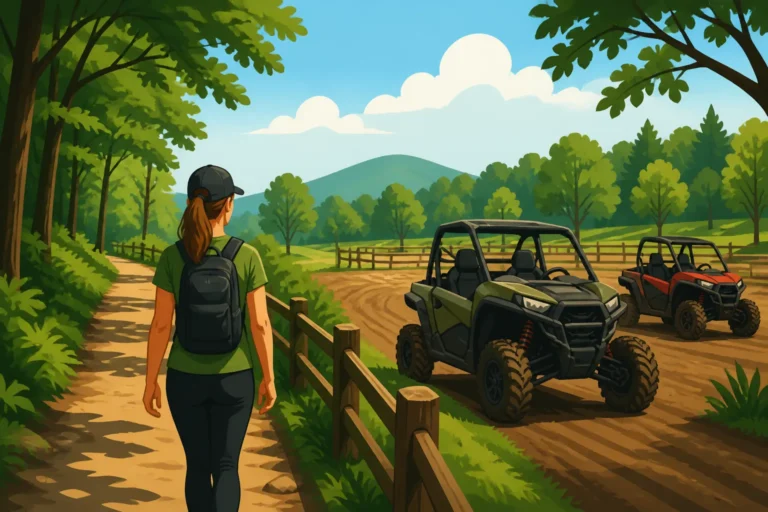
A park advertised with 150 miles of riding can sound like an open invitation to keep exploring until you run out of daylight. In practice, the fun depends on knowing which trails fit your machine and group, how to pace a long day, and what to check before unloading. This guide explains how to plan a safer, more satisfying ride at Stony Lonesome in Bremen, Alabama.
What 150 miles of riding really means
Treat the mileage as a trail network, not one continuous loop
Stony Lonesome is known for a large off-highway vehicle trail network, but a 150-mile figure does not mean there is one 150-mile route to follow from start to finish. It describes the scale of the riding opportunity. Trails may branch, intersect, loop back, or lead to different areas, and the route you take depends on your machine, skill, conditions, and the park’s current rules.
That distinction matters when you are planning a day with friends. A rider who expects to follow one clearly marked loop from beginning to end may be surprised by the decisions involved at junctions. A group can spend time choosing a route, stopping to check a map, helping someone over a difficult section, or turning around when a trail does not suit a machine. Those pauses are part of the day, not a sign that the group is riding badly.
It is also easy to mistake the park’s total trail mileage for the distance a visitor can cover in a single outing. Technical terrain, mud, climbs, traffic, and frequent stops can make a short stretch take longer than expected. Rather than setting a goal to “ride all 150 miles,” choose a realistic outing and leave room to adjust. For background on how trail mileage is described, see [Alabama Trail Mileage Totals] and [Stony Lonesome's 150 Miles in Alabama].
Check which trails are open and appropriate for your machine
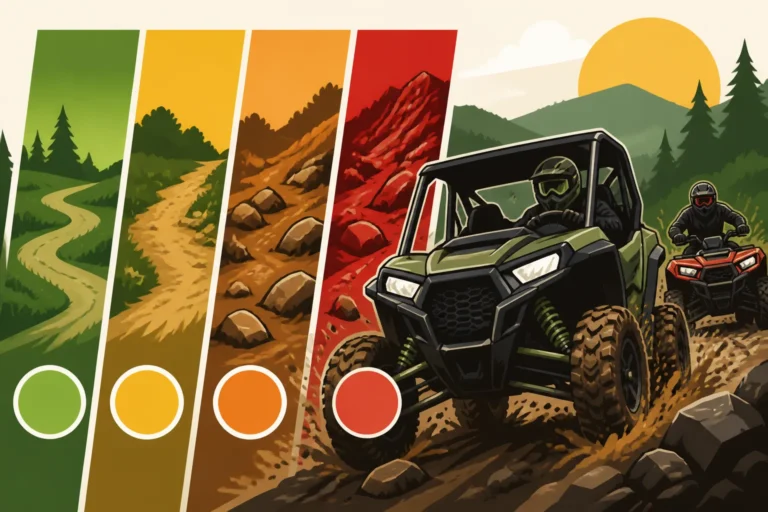
A big trail network does not mean every route is right for every rider. Trails can differ in width, surface, steepness, and difficulty. Some may be better suited to experienced riders or particular vehicle types, while a newer rider may be happier on a wider, less demanding route. A side-by-side and a sport quad may also handle the same section differently.
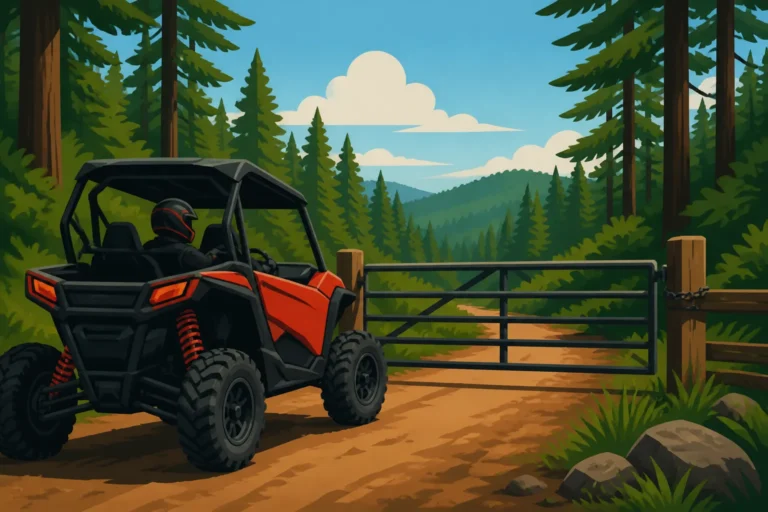
Before you unload, confirm the park’s current riding rules and ask about trail closures or restrictions. A route shown on an old map, saved in an app, or remembered from a previous visit might not be open or suitable today. Recent rain can change the feel of Alabama clay, and maintenance or park conditions can affect access. The park’s own updates and staff guidance should take priority over assumptions based on a past ride.
Use [Alabama Trail Difficulty Ratings] as a reminder to match a route to the least experienced rider in the group. If you are unsure what a particular rating means at Stony Lonesome, ask park staff rather than guessing from another riding area’s system. For broader planning, [Alabama Trail Conditions Before You Tow] and [Alabama Trail Closures After a Storm] cover the kinds of checks that can save a long drive and a frustrating day.
Plan a ride your group can finish comfortably
Set a route and a turnaround point before leaving the staging area
Start with a modest plan instead of trying to cover as much ground as possible. Pick a general area or loop that suits the group, estimate how long you want to be out, and agree on a turnaround time. A new rider may need more breaks than an experienced one, and a mechanical issue can quickly reshape the day. A flexible plan makes it easier to enjoy the ride without making anyone feel pressured to keep up.
Before departing, make sure everyone knows where the group will stop if it gets separated. Agree on a simple rule: if riders lose sight of one another, they stop somewhere safe and wait rather than continuing down separate trails. Keep a head count at major stops, particularly after a junction or a difficult section. These habits sound basic, but they reduce the chance that one rider’s quick detour becomes a stressful search.
A navigation app such as onX Offroad can help you review a route and keep track of where you are, but it should be one part of your plan rather than the whole plan. Check what mapping information is available for the area, save what you need before leaving reliable service, and carry a backup way to orient yourself. Do not assume every visible line on a digital map is an open, authorized riding route. Confirm access with the park.
Pack for a longer day than you expect
A ride can take longer than the map suggests. Pack drinking water, snacks, basic first-aid supplies, and any personal medication your group might need. Bring tools and recovery equipment that make sense for your machine and experience, but avoid carrying gear you do not know how to use. A winch, for example, is not a substitute for choosing a safe line or getting help when a situation exceeds your ability.
Check your machine before riding. Look at tires, controls, lights, fuel, brakes, and any straps or cargo you plan to carry. On a side-by-side, make sure passengers understand the seat belts and basic rules for staying inside the vehicle. On a quad, secure loose items so they cannot catch on branches or shift during a climb. A quick inspection at the staging area is much easier than discovering a problem deep in the trail network.
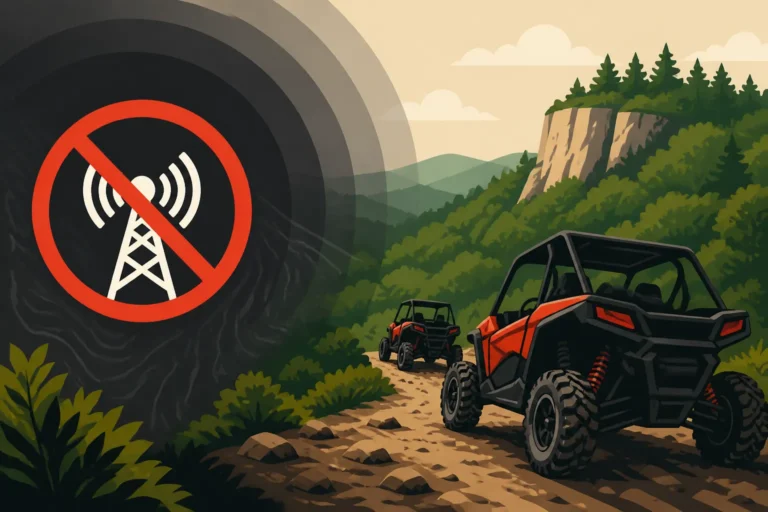
Cell reception can be unreliable in wooded or hilly areas, so do not build your safety plan around being able to call or load a map at every moment. onX Offroad may be useful for pre-trip route review and location awareness, but save maps in advance if the app supports the area and your setup. A paper map or a screenshot of key information can be a helpful backup. For a practical checklist, see [First Aid on a Long Stony Lonesome Loop] and [Alabama Trail Map Downloads].
Choose trails by terrain, not ambition
Be honest about rider experience and vehicle capability
The best route is not necessarily the most challenging one. If someone in your group is new to off-road riding, a manageable trail gives them a chance to learn throttle control, braking, body position, and how the machine reacts to changing ground. Starting with a difficult climb because it looks exciting can turn a fun outing into a recovery job, especially when several riders are waiting behind one machine.
A UTV’s size and turning radius can make narrow or uneven sections feel different from a quad. Likewise, a powerful machine does not automatically make a rider ready for steep, slick terrain. Consider ground clearance, tires, passenger load, and the rider’s comfort level together. If you are unsure whether a route is suitable, ask staff or choose an easier option. There is no shame in turning back when a trail becomes more demanding than expected.
Before riding, agree that anyone can speak up if they feel uncomfortable. That matters especially in a mixed group where friends may have different experience levels. A rider who is nervous may make rushed decisions, while a patient pause gives the whole group time to regroup and choose a safer line. Keep the pace set by the least experienced rider, not by whoever is eager to reach the next junction first.
Adjust for mud, rain, heat, and fatigue
Alabama’s red clay can behave very differently depending on recent weather. A dry route may become slick after rain, and a rut that looks harmless can catch a tire or pull a machine off line. If conditions have changed, lower your expectations for distance and choose trails more conservatively. Do not assume that a machine that handled a section last time will behave the same way today.
Heat and fatigue also affect judgment. Take breaks before riders are worn out, drink water regularly, and watch for signs that someone is getting overheated or distracted. Muddy gear, a long ride, and a hot afternoon can make a rider less careful without them realizing it. If the group is tired, shorten the route instead of pushing to meet an arbitrary mileage target.
Be considerate of the trail and other visitors. Spinning tires aggressively can deepen ruts and damage the surface, while sudden stops around blind corners can create hazards. Slow down when visibility is limited, give other riders room, and follow posted park rules. [Alabama Trail Etiquette Locals Expect] offers useful reminders that apply well beyond one park.
A practical plan for a full day at Stony Lonesome
Use a simple pre-ride checklist
A little organization before the drive makes the day calmer. Confirm the park’s operating information and rules directly with the park, especially if weather has been poor or you are traveling a long distance. Make sure your group knows what machine types are allowed on the routes you intend to ride and whether there are any current restrictions. If anyone is visiting from out of town, clarify what proof of permission or other documents the park expects.
Use the following checklist as a starting point:
| Before you leave home | At the park | During the ride |
|---|---|---|
| Confirm park access and current rules | Review the map and ask about closures | Keep the group together at junctions |
| Check tires, brakes, fuel, and controls | Match routes to the least experienced rider | Take breaks and drink water |
| Pack water, food, first aid, and tools | Agree on a turnaround time | Slow down in poor visibility or slick conditions |
| Save navigation information for offline use | Tell someone your general plan | Turn back if terrain or fatigue becomes a concern |
Use onX Offroad or another navigation aid to prepare, but verify that the route information reflects permitted riding areas. If a map layer is unclear, ask staff rather than assuming that a line represents a trail you can ride. A downloaded route is useful only when it matches actual access and current conditions.
Leave enough time for the ride back
A common planning mistake is to focus on how far the group can ride out and forget that everyone still needs time to return, load machines, and travel home. Set a firm time to begin heading back, even if the group has not covered as much ground as hoped. This is particularly important if the riders are unfamiliar with the park or if the route includes technical terrain.
Before leaving the staging area, make sure every machine has enough fuel for the planned outing and an appropriate reserve. Keep essential items accessible rather than buried under equipment. At each longer stop, check that nobody is missing, tired, or dealing with a small mechanical problem that could become serious if ignored. A minor issue is easier to address near the start of the ride than after the group has committed to a distant section.
Afterward, take a moment to note what worked. Record which routes felt comfortable, where the group needed more time, and whether the machine setup suited the terrain. If you use onX Offroad, you can review your own recorded ride or saved notes when planning a return visit, while still confirming current access with the park. For details about the park itself, start with [Stony Lonesome OHV Park in Alabama]. If your group wants a simpler outing next time, plan around a shorter route rather than trying to maximize mileage.
A 150-mile network is best treated as an invitation to explore over multiple visits, not a challenge to finish in one day. Thoughtful route choices, realistic pacing, and a willingness to turn around help make the experience enjoyable for the whole group.
Disclaimer
This article is for general informational purposes only and does not constitute professional advice. Laws, prices and regulations vary by location and change over time. Consult a qualified professional for guidance on your specific situation.