Alabama Rules for Riding a Rail Bed
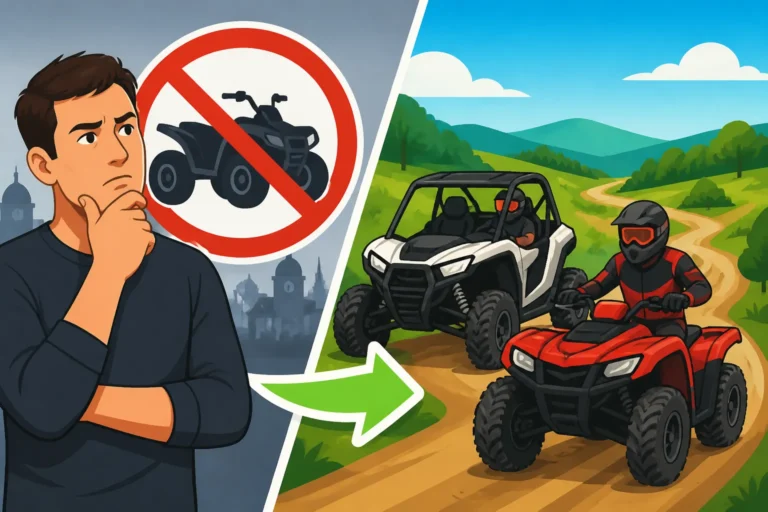
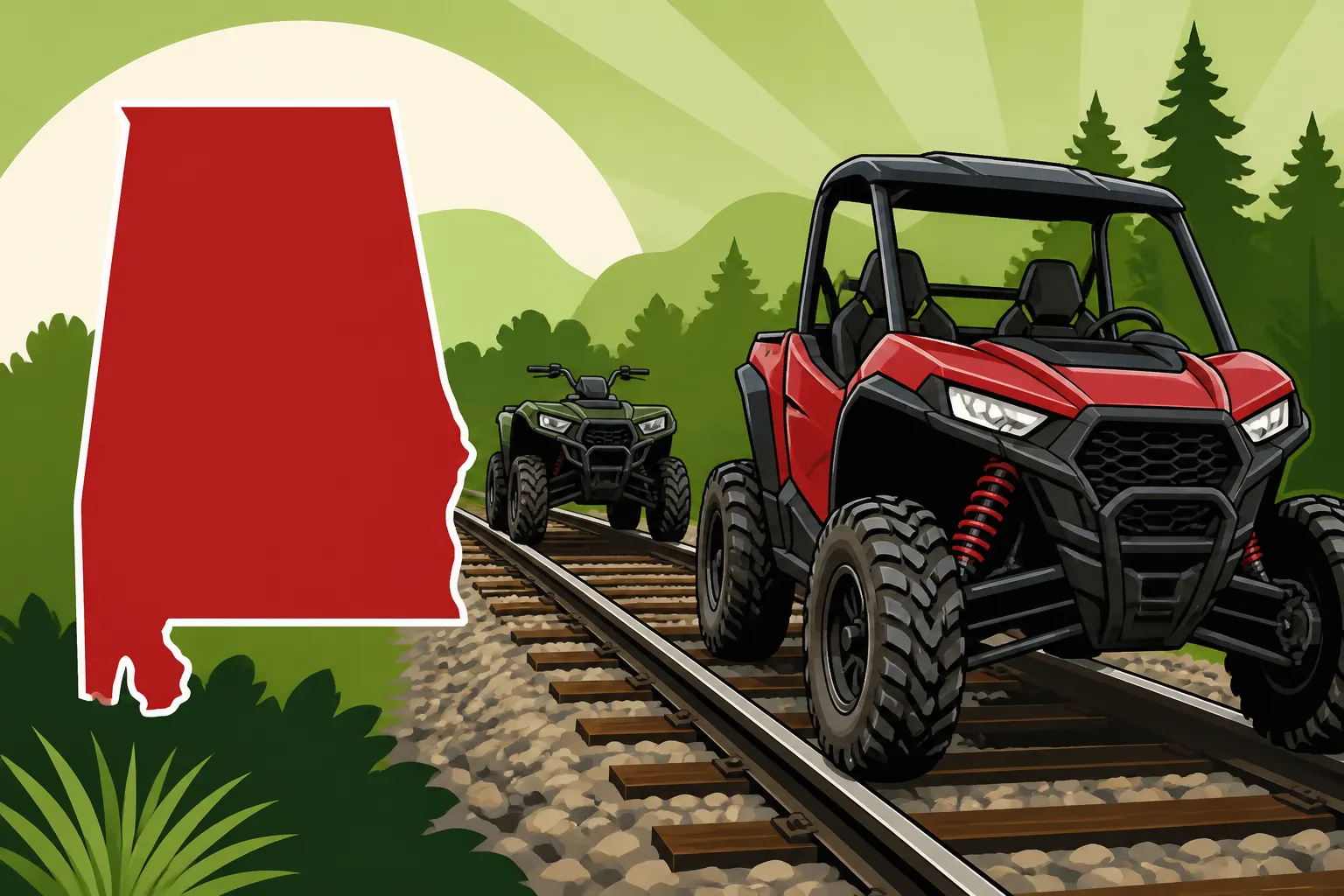
It's tempting, isn't it? You're out exploring the Alabama countryside, maybe enjoying a quiet Sunday drive, and you spot what looks like an old, overgrown rail bed winding off into the distance. Immediately, your ATV or UTV comes to mind, and you think, "Wouldn't that be an incredible trail to ride?" The idea of those straight lines, the varied terrain, and the sense of forgotten history can be incredibly appealing. But before you even think about loading up your machine, it's absolutely crucial to understand the rules and serious risks involved. This guide is here to clarify exactly why riding rail beds in Alabama is almost always illegal, dangerous, and a bad idea, and to point you toward safe, legal alternatives.
Why Rail Beds Are Off-Limits in Alabama
That old rail bed might look abandoned, like a forgotten ribbon through the woods, but in the vast majority of cases, it's far from public access. The biggest misunderstanding people have about these old lines is ownership. Just because the tracks are gone or rusted doesn't mean the land is free for the taking or riding.
The Reality of Railroad Property Ownership
First and foremost, virtually all former railroad corridors are still private property. Even if a rail line has been abandoned for decades, the land itself is typically still owned by a railroad company, a land management firm, or has been sold to adjacent landowners. This isn't like finding an old road that's been decommissioned and opened up for public use. Railroads, even defunct ones, often retain ownership of these right-of-ways for future development, to lease for other utilities, or simply as an asset.
When you ride on a rail bed without explicit permission, you are trespassing. It's as simple as that. In Alabama, [Alabama Trespass Law for Riders] means that if you're caught, you could face fines, have your machine impounded, and even face criminal charges. It's not just a slap on the wrist; it can become a serious legal headache. Imagine having your prized side-by-side, maybe one you’ve even upgraded with some heavy-duty SuperATV axles or a lift kit, sitting in an impound lot because you decided to ride where you shouldn't have. It's a costly mistake that no rider wants to make.
Rail-to-Trail Conversions and Their Limits
Now, it's true that some abandoned rail beds have been converted into public trails. These are usually designated "rail-to-trail" projects, often managed by local governments, state parks, or non-profit organizations. These trails are fantastic resources, but here's the critical catch for ATV and UTV riders: almost none of these converted trails are open to motorized vehicles like ATVs and UTVs.
These rail-to-trail paths are typically developed for hiking, bicycling, and sometimes horseback riding. They're designed for quiet, non-motorized recreation. Allowing ATVs and UTVs on them would go against their intended use, cause significant wear and tear, and create safety hazards for other users. If you encounter a rail-to-trail sign, it's almost a guarantee that it's not for your quad or side-by-side. Always look for specific signage indicating permissible activities. If it doesn't say "motorized vehicles allowed," assume they are not. Just because you see a path doesn't mean it's an open invitation for your machine. You need to verify the rules for [Alabama Public Use Versus Private Use] before you head out.
The Hidden Dangers of Riding Old Rail Beds
Beyond the legal ramifications, there are very real, very serious physical dangers associated with riding abandoned rail beds. These aren't purpose-built trails; they're remnants of industrial infrastructure that were never designed for recreational off-road vehicles.
Unseen Hazards and Structural Integrity
Picture this: you're cruising along what seems like a smooth, clear section of an old rail bed. Suddenly, you hit a deep rut created by years of erosion, or worse, an exposed piece of track spike that could tear into your tire. These areas are often unmaintained, meaning you could encounter:
- Rotten Trestles and Bridges: Many rail beds cross streams, rivers, or ravines on old wooden or steel trestles. Over time, these structures rot, rust, or collapse. Riding an ATV or UTV, especially a heavier side-by-side, across a compromised bridge is an extreme risk. A collapse could lead to serious injury or death, not to mention total loss of your machine.
- Washed-Out Sections: Rain and erosion can turn what looks like a solid path into a treacherous, pocked landscape. Deep washouts can appear suddenly, leading to rollovers or riders being thrown from their machines.
- Hidden Obstacles: Decades of natural growth, discarded debris, or even intentional barriers (like concrete blocks placed by landowners to deter trespassers) can be hidden by overgrown vegetation. A branch might look like a small obstacle but could be part of a larger, immovable log or pipe. You just don't know what's under that brush. Even with robust underbody protection from a brand like SuperATV, hitting unseen obstacles at speed can lead to catastrophic damage to your suspension, frame, or even personal injury.
- Unstable Embankments: Railroads often built up embankments or cut through hillsides. These can become unstable over time, especially after heavy rains. Riding along a crumbling embankment, particularly a narrow one, could result in a dangerous slide down a steep slope.
Isolation and Emergency Response
Another critical danger of riding these unsanctioned routes is their isolation. If something goes wrong—a serious crash, a breakdown, or a medical emergency—you could be miles from help. Cell service might be spotty or nonexistent. Access for emergency vehicles could be impossible. Imagine breaking a leg or having your machine seize up deep in the woods on an old rail line; retrieving you or your vehicle could be incredibly difficult and take hours, turning a fun outing into a harrowing ordeal.
Consider the following comparison to underscore the difference between legal trails and unapproved rail beds:
| Feature | Designated OHV Trail | Abandoned Rail Bed (Illegal) |
|---|---|---|
| Legality | Fully permitted, often regulated by agencies | Trespassing, potential fines, impoundment, criminal charges |
| Maintenance | Maintained for rider safety, cleared of hazards | Unmaintained, subject to erosion, hidden dangers |
| Signage | Clear trail markers, danger warnings | No official signage, often marked with "No Trespassing" |
| Emergencies | Emergency access points, possible cell service, maps | Isolated, difficult emergency access, no reliable cell service |
| User Safety | Designed for specific vehicle types, risk assessment | Never designed for ATVs/UTVs, inherent structural risks |
| Ownership | Public land or privately owned land with permits | Almost always private property, no permission |
This table highlights why it's simply not worth the risk. The perceived adventure of a rail bed pales in comparison to the safety and legality of a proper trail.
Legal and Safe Alternatives for Riding in Alabama
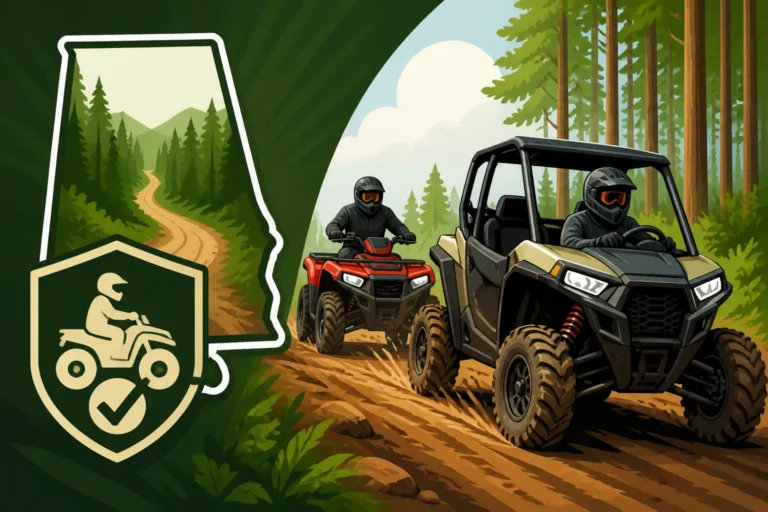
The good news is that Alabama offers some fantastic, legitimate opportunities for ATV and UTV riding. You don't need to risk trespassing or injury on an old rail bed when there are dedicated parks and trails waiting for you.
Alabama's Premier OHV Parks
Instead of eyeing that forbidden rail line, set your sights on one of Alabama's incredible off-highway vehicle (OHV) parks. These parks are designed, maintained, and managed specifically for the enjoyment and safety of ATV and UTV riders. They offer diverse terrain, clear rules, and often amenities like camping, restrooms, and even wash stations for your machine after a muddy ride.
A couple of prime examples in Alabama include:
- Stony Lonesome OHV Park: Located in Bremen, Alabama, this park boasts over 150 miles of trails catering to ATVs, UTVs, dirt bikes, and even rock crawlers. You'll find everything from easy scenic routes to extreme technical challenges. They have clearly marked trails, staff on site, and amenities that make for a great day or weekend trip. [Stony Lonesome OHV Park in Alabama] is a perfect example of a safe, legal place to really put your machine through its paces.
- Minooka Park: Situated in Jemison, Alabama, Minooka Park offers hundreds of acres of trails. While it's a bit smaller than Stony Lonesome, it still provides plenty of riding opportunities and is a popular spot for local riders. Like Stony Lonesome, it's a managed park with rules in place to ensure everyone has a safe and enjoyable experience. You can find out more about [Minooka Park Riding in Alabama] by checking their official resources.
These parks often require an entry fee, but that fee goes directly into trail maintenance, safety infrastructure, and park operations, ensuring you have a quality riding experience. They often have specific rules about helmets, passengers, and other safety measures, which are there to protect you.
Riding on Private Property with Permission
If public OHV parks aren't your thing, or you prefer riding closer to home, the safest and most legal alternative is riding on private property that you own or have explicit permission to use. This could be your own land, a friend's property, or even a hunting lease that allows ATV/UTV use.
When riding on private property, always remember:
- Get Permission in Writing: If it's not your land, always get written permission from the landowner. This protects both you and them. A simple signed letter stating that you have permission to ride your ATV/UTV on their property on specific dates can save a lot of grief. [Alabama Landowner Permission Letters] are highly recommended.
- Respect the Land: Don't tear up fields, create excessive noise that bothers neighbors ([Alabama Noise Complaints About Quads]), or damage property. Be a responsible rider to maintain good relationships and ensure continued access.
- Know Your Boundaries: Make sure you know exactly where the property lines are. Accidentally riding onto a neighbor's land without permission is still trespassing.
- Follow Local Ordinances: Even on private land, some local city or county ordinances might have rules regarding noise or hours of operation for off-road vehicles. It's always a good idea to check with your local municipality.
Riding legally ensures you avoid the stress of legal penalties ([Alabama Penalties for Illegal Road Riding]) and can truly relax and enjoy your machine. Whether you're looking for extreme challenges that demand durable components like those from SuperATV or just a leisurely ride through nature, there are plenty of legal and safe avenues for you to explore in Alabama. Don't let the allure of a forbidden rail bed overshadow the joy and peace of mind that comes with responsible, legal off-roading.
Disclaimer
This article is for general informational purposes only and does not constitute professional advice. Laws, prices and regulations vary by location and change over time. Consult a qualified professional for guidance on your specific situation.