How the Statute Splits Public Land From Private
Navigating the rules for riding ATVs and UTVs in Alabama can feel like trying to find your way through a dense thicket without a map, especially when it comes to understanding where you can and cannot legally ride. Many riders get frustrated, hearing conflicting information about public roads, private land, and designated trails. This guide will cut through that confusion, explaining precisely how Alabama's off-road vehicle statute differentiates between public and private land use and what that means for you, the rider.
Understanding Alabama's Off-Road Vehicle Statute
Alabama's approach to ATVs and UTVs, often lumped under the umbrella of "off-road vehicles," is rooted in a fundamental distinction: where the machine is being operated. The rules, requirements, and even the very definitions of what constitutes an off-road vehicle shift dramatically depending on whether you're on private property or any form of public land, including roads, trails, or state-managed areas. This isn't just a nuance; it's the bedrock upon which all other regulations are built, and misunderstanding it can lead to tickets, fines, or worse.
The Core Distinction: Public Versus Private
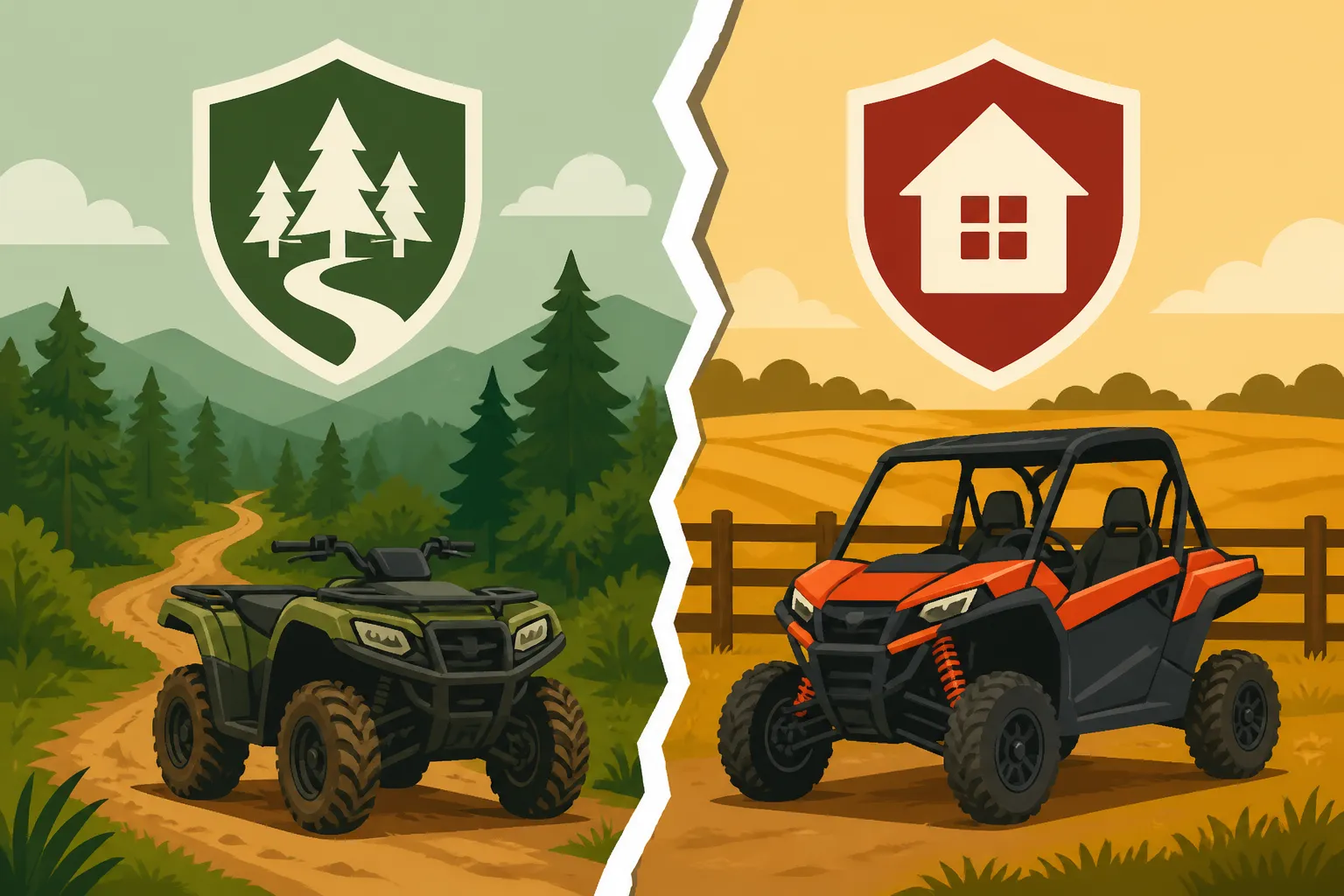
At its heart, Alabama's statute creates two distinct worlds for ATV and UTV operators: the relatively free-wheeling environment of private property and the highly regulated realm of public spaces. On private land, the owner's permission generally dictates what you can and cannot do, within reason, provided you're not breaking any other laws like reckless endangerment. This means if you own a large tract of land, or have explicit permission from a landowner, you have a lot more leeway. The state's primary concern here is usually about property rights and safety, not the minutiae of vehicle operation.
However, the moment your tires touch public ground – be it a county road, a state park trail, a Wildlife Management Area, or even crossing a public right-of-way – an entirely different set of rules kicks in. These public land rules are designed to ensure safety for all users, protect natural resources, and maintain order. The state has a vested interest in regulating these spaces, leading to requirements for registration, age limits, and strict prohibitions on road use. It’s this stark contrast that often catches riders off guard, as a machine perfectly legal on a deer camp lease might be entirely illegal just a few feet away on a public road shoulder.
What the Statute Defines as an Off-Road Vehicle
Before diving deeper into public and private distinctions, it's crucial to understand what Alabama considers an "off-road vehicle" in the first place. The statute, specifically Chapter 26A of Title 32, lays out some very particular characteristics. For an ATV, it’s generally defined as a motorized, off-highway vehicle, 60 inches or less in width, with an unladen weight of 1,500 pounds or less, designed to travel on four or more low-pressure tires, and intended for use by a single operator with no more than one passenger.
Side-by-sides, or UTVs, have slightly different parameters under Alabama law, typically being wider (up to 80 inches) and heavier (up to 3,500 pounds unladen), designed for off-highway travel, and carrying more than one passenger side-by-side. The key takeaway from these definitions is the "off-highway" designation. This isn't a suggestion; it's a legal classification that fundamentally separates these machines from street-legal vehicles like cars and motorcycles, regardless of any accessories or modifications you might add. Understanding [Alabama's ATV and ROV Legal Definitions] is the first step to knowing your rights and responsibilities.
Implications for Riding on Private Property
Riding on private property in Alabama offers a level of freedom and flexibility that simply isn't present on public lands. This is where most off-road enthusiasts spend the majority of their time, whether it's on their own sprawling acreage, a friend's farm, or a hunting lease. While the state's direct regulatory hand is lighter here, it doesn't mean there are no considerations or responsibilities for riders and landowners.
Landowner Permission and Posted Land
The absolute cornerstone of riding on private land is having explicit permission from the landowner. Without it, you are trespassing, plain and simple, and that can lead to legal trouble, fines, and even impoundment of your machine. This permission should ideally be in writing, especially if you're riding regularly on someone else's property, like a [Hunting Club Lease Riding] scenario or a timber tract. A simple verbal agreement can be misunderstood or forgotten, leading to disputes down the line.
Alabama law also recognizes "posted land," where landowners clearly mark their property boundaries with signs or purple paint. These markings serve as clear notice that entry is forbidden without permission. Even if a property isn't explicitly posted, it's still private, and unauthorized riding is trespassing. Always assume land is private unless it's clearly marked as a public trail or park, and always seek permission. This is especially true when riding near agricultural operations or residential areas where boundaries might not be obvious.
The Role of Registrations on Private Land
Many riders ask, "Do I need to register my ATV if I only ride on private land?" In Alabama, the answer is generally no, not mandatorily. The state offers two distinct registration tiers through the Alabama Law Enforcement Agency (ALEA): public use and private use. If you exclusively ride on your own private property or private property where you have explicit permission, the "private use" registration is entirely voluntary. It's essentially an ownership record, providing some benefits like easier theft recovery or proof of ownership, but it's not required for operation solely on private land.
However, if you ever plan to take your machine on designated public trails, like those found in an OHV park, you will need a public use registration. So, while private land doesn't mandate registration, it's a good idea to consider your future riding plans. Many riders opt for the private use registration anyway for the added peace of mind, especially if their machines are valuable. You can learn more about [Alabama Private Use ATV Registration Explained] to understand its nuances and benefits, even if it's not strictly required for your specific use.
Safety Considerations Beyond State Law
Even on private land where state regulations are minimal, safety should always be paramount. Alabama may not have mandatory ATV safety courses or helmet laws for private land use, but that doesn't mean you should forgo them. Riding can be inherently risky, and accidents can happen quickly, even in familiar terrain. Wearing a helmet, eye protection, sturdy footwear, and appropriate clothing (like long sleeves and pants) is always a smart move. Many serious injuries could be prevented with proper gear.
Landowners also have a responsibility to ensure their property is reasonably safe for riders they invite. This might involve marking hazards, maintaining trails, or setting rules for speed and passenger limits. It's a good idea for anyone riding on private land to agree on basic safety rules beforehand, especially when riding with groups or minors. For example, even if the state doesn't require it, a landowner might insist on helmets or restrict [Alabama Rules for a Child Passenger] to ensure everyone's well-being.
Navigating Public Land and Roads
Once you venture onto public land or even consider crossing a road, the rules tighten considerably. This is where the distinction between public and private use truly becomes critical. Alabama has specific statutes governing where and how ATVs and UTVs can be operated in these shared spaces, primarily to ensure public safety and manage resources.
When Public Roads Are Off-Limits
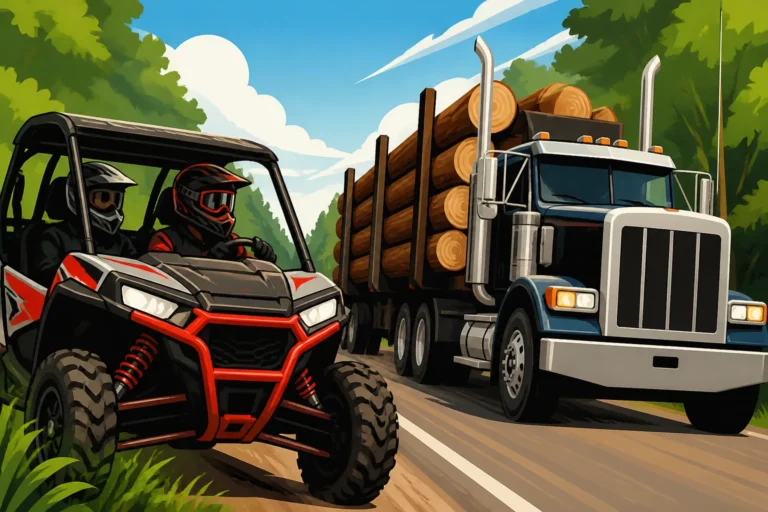
This is perhaps the most common point of confusion and frustration for ATV and UTV owners: the strict prohibition against operating these machines on public roads in Alabama. The general rule is simple and unyielding: ATVs and UTVs are not street legal in Alabama. This means no riding on highways, county roads, city streets, or even road shoulders, unless explicitly allowed by a specific local ordinance for a very limited purpose, or for farm use as outlined below.
The reason for this strict stance lies in federal safety standards. ATVs and UTVs are manufactured as off-highway vehicles and do not meet the Federal Motor Vehicle Safety Standards (FMVSS) required for on-road vehicles. They lack crucial features like turn signals, DOT-approved tires, proper lighting, and crashworthiness required for highway use. Many riders invest in aftermarket kits from companies like SuperATV that add mirrors, horns, and lights, hoping to make their machine "street legal." However, these kits, while enhancing visibility and utility, do not change the vehicle's fundamental classification under Alabama law or its compliance with federal standards. A kit from SuperATV or any other brand, no matter how comprehensive, cannot overcome the legal barrier of [Alabama's Federal Standard Barrier to Road Use]. An Alabama deputy cannot simply waive federal law because you have a horn and turn signals.
Designated Public Use Areas and Trails
While public roads are generally forbidden, Alabama does provide designated public areas and trails where ATVs and UTVs are welcome. These are typically state-managed OHV parks or specific trails within national forests or Wildlife Management Areas (WMAs). Places like Stony Lonesome OHV Park or Minooka Park are prime examples where riders can legally enjoy their machines. These areas often require a public use registration, sometimes an entry fee, and adherence to specific park rules, which might include age restrictions, helmet requirements (even if not statewide on private land), and spark arrestors.
Riding in these designated areas often requires additional permits, especially on federal lands or WMAs. For instance, you might need a [Alabama WMA Daily Permit] or an [Alabama WMA Area Permit] in addition to your public use registration and a hunting license if you're combining activities. Always check with the specific park or land management agency before you visit, as rules can vary greatly and change with conditions (e.g., trail closures after rain). This is where having your machine properly registered under the "public use" tier becomes essential.
Farm Use and Limited Road Access
There is a narrow, specific exception for ATVs and UTVs used for legitimate farm work. Alabama allows these machines to be operated on public roads only for agricultural purposes, such as moving between fields or accessing different parts of a farm. This is not a blanket permission to joyride down the road; it's strictly for the necessary operation of a farm. The machine must be directly engaged in an agricultural activity, and even then, there are often limitations on distance, time of day, and safety precautions like visibility.
This farm-use exception is often misunderstood. It does not mean any ATV on a farm qualifies for road use. It must be actively used for farm operations. If a sheriff's deputy spots you cruising down a county road on your UTV with no obvious farm implements or purpose, you could still be cited. This specific exemption highlights the statute's attempt to balance recreational use with practical, industry-specific needs. Always be prepared to explain and demonstrate the legitimate farm use if questioned by law enforcement.
Registration and Titling Differences for Public vs. Private Use
Alabama's system for registering and, more recently, titling ATVs and UTVs directly reflects the public versus private land distinction. Understanding these differences is crucial for compliance and for ensuring you have the right paperwork for your intended use. The responsibilities are split between two state agencies, which can sometimes add to the confusion.
Alabama Public Use ATV Registration Explained
If you plan on riding your ATV or UTV anywhere off your private property that is open to the public – such as OHV parks, designated trails on state or federal land, or Wildlife Management Areas – you absolutely need a public use registration through ALEA. This registration is mandatory for lawful operation in these spaces. The public use registration typically costs a bit more than the private use option and comes with a decal that you must affix to your machine in a visible location. This decal serves as immediate proof to park rangers or law enforcement that your machine is registered for public access.
This registration runs for three years, simplifying the renewal process for many riders. The fees associated with it help fund the management and maintenance of the public riding areas, so it's a contribution to the community of off-road enthusiasts. When considering [Do You Need to Register an ATV in Alabama?], if your answer includes any public land, then a public use registration is your path to legal riding.
Alabama Private Use ATV Registration Explained
For those who only ride their ATVs or UTVs on their own private land or private property with permission, Alabama offers a voluntary private use registration. This option is less expensive and also runs for three years. While not legally required for private land operation, it serves several important functions. It provides an official record of ownership, which can be invaluable in cases of theft or when trying to prove ownership if paperwork is lost. It acts as an official link between you and your machine, which can streamline insurance claims or recovery efforts.
Choosing the private use registration offers peace of mind without the higher cost of the public use tier. It's particularly useful for those who own expensive machines but have no intention of ever riding them on public trails. However, be aware that if your plans change and you decide to hit a public park, you'll need to upgrade to the public use registration. The state recognizes that many machines are exclusively used for farming, hunting, or recreational riding on private tracts, and this tier caters specifically to that demographic. For more details on this, see [Alabama Private Use ATV Registration Explained].
Titling Changes and Their Impact
Starting in 2026, Alabama is implementing a new titling requirement for ATVs and UTVs with a model year of 2026 or newer. This is a significant change, as previously, only an ownership record (like a registration or bill of sale) sufficed. The titling process will be handled by county probate offices or license commissioners, separate from the registration process which remains with ALEA. This new title will function much like a car title, providing definitive proof of ownership and a clear chain of custody for sales and transfers.
This change particularly impacts the public/private distinction in terms of ownership proof. While older machines (pre-2026 model year) will remain untitled and rely on existing registration or bills of sale for ownership proof, new machines will require a title regardless of whether they are used publicly or privately. This new system, as detailed in [Alabama ATV Titling Starts With Model Year 2026], aims to reduce theft and fraud, and create a more robust system for documenting ownership of these valuable machines. It adds another layer of administrative responsibility for new machine owners, irrespective of where they plan to ride.
The Myth of "Street Legal" Conversions in Alabama
This is one of the most persistent and dangerous misconceptions among ATV and UTV riders in Alabama. The idea that adding a few aftermarket parts can magically transform an off-road vehicle into a street-legal machine is simply untrue under state and federal law. It’s a costly misunderstanding that can lead to significant legal and financial consequences.
Alabama's Federal Standard Barrier to Road Use
The fundamental reason ATVs and UTVs cannot be made "street legal" in Alabama (or most other states) is that they do not meet the Federal Motor Vehicle Safety Standards (FMVSS). These are the rigorous safety and design regulations set by the National Highway Traffic Safety Administration (NHTSA) that every vehicle sold for use on public roads must comply with. FMVSS covers everything from headlight brightness and brake performance to crashworthiness, emissions, and tire standards.
ATVs and UTVs are designed and manufactured as off-highway vehicles. They are not engineered to withstand impacts with other road vehicles, their tires are not suitable for pavement, and they often lack the full suite of safety features (like airbags, crumple zones, or even basic turn signals as standard equipment) required for public road use. No matter how many accessories you bolt on, a vehicle manufactured as an off-road machine cannot simply be reclassified to meet these federal standards after the fact. This critical point is often misunderstood, but [Alabama's 49 CFR 571.500 Standard] makes it clear.
Why a Street Legal Kit Will Not Make It Legal
Many aftermarket companies, including well-known brands like SuperATV, offer "street legal kits" that include items such as turn signals, rearview mirrors, horns, and sometimes even windshields. These kits are fantastic for improving safety and visibility when riding on trails or crossing designated low-speed roads where permitted. They are also incredibly useful for enhancing the overall functionality of your machine. However, despite their name, these kits do not make an ATV or UTV street legal in Alabama.
The issue isn't whether the machine has the equipment; it's whether it was manufactured and certified to meet FMVSS requirements from the factory. A kit cannot retroactively change the original vehicle certification. An Alabama law enforcement officer, seeing an ATV on a public road, will look at the vehicle's original classification and federal compliance, not at the aftermarket additions. You might have every bell and whistle from SuperATV, but if your machine wasn't built as a street-legal vehicle, it's still illegal on public roads. This is why [Why a Street Legal Kit Will Not Make It Legal] is a crucial piece of information for any rider.
Machines That Are Road Legal by Design (LSVs)
It's important to distinguish ATVs and UTVs from other types of vehicles that are legally allowed on some public roads, often with restrictions. The most common example is a Low-Speed Vehicle (LSV). LSVs are purpose-built, federally regulated vehicles designed to travel at speeds generally between 20-25 mph. They come from the factory with specific safety features like headlights, taillights, turn signals, seatbelts, windshields, and VINs that certify them as meeting federal LSV standards. Golf carts are another category, often permitted on local streets in certain municipalities through specific ordinances, but they are not ATVs and have their own distinct rules.
If you purchase a machine that is designed and certified by the manufacturer as an LSV, then it may be legal to operate on certain public roads in Alabama, typically those with speed limits of 35 mph or less, as long as it's also registered and insured. However, this is a very different class of vehicle than a standard off-road ATV or UTV. Trying to modify an ATV to meet LSV standards is usually not practical or legally recognized. It's crucial to understand [Alabama LSV Requirements Explained] if you are considering a machine for road use.
Here's a quick comparison of key differences:
| Feature/Aspect | Private Land Use (ATV/UTV) | Public Land Use (ATV/UTV) | Public Road Use (ATV/UTV) – General Rule | Low-Speed Vehicle (LSV) – Purpose-Built |
|---|---|---|---|---|
| Registration | Voluntary (Private Use tier) | Mandatory (Public Use tier) | Illegal for ATVs/UTVs to begin with | Mandatory |
| Titling | Mandatory for 2026+ model years | Mandatory for 2026+ model years | Mandatory for 2026+ model years (if LSV) | Mandatory |
| Location | Owned property, land with permission, hunting leases | Designated OHV parks, WMA trails, specific federal land trails | Generally prohibited on all public roads/highways | Local roads with speed limits typically 35 mph or less |
| Permission | Landowner's permission required | Entry fees, permits, specific regulations apply | N/A (prohibited) | N/A (designed for road use) |
| Helmet Laws | No state-mandated helmet law, but highly recommended | Often required by park/area rules | N/A (prohibited) | Not typically required, but seatbelts are |
| Age Restrictions | Landowner/parental discretion | State-mandated for certain areas/machines, park-specific rules | N/A (prohibited) | Driver's license required |
| "Street Legal" Kits | Can enhance safety/visibility, but not legally required | Can enhance safety/visibility, but do not confer street legality | Do not make ATVs/UTVs street legal | N/A (comes street-legal from factory) |
| Farm Use Exception | N/A (on private land) | N/A (on public trails) | Allowed for direct agricultural purposes, with limitations | N/A (not farm equipment) |
| Compliance | Primary concern is property rights; state oversight is minimal | Strict adherence to state, federal, and park regulations required | Non-compliant with FMVSS; illegal on roads | Complies with FMVSS for LSVs |
In summary, the distinction Alabama's statute makes between public and private land is not just a suggestion; it's the fundamental determinant of where and how you can ride your ATV or UTV. Respecting private property rights and understanding the strict limitations on public road use are paramount for any off-road enthusiast in the state. Always ensure your machine is properly registered for its intended use, be clear on where you're allowed to ride, and never assume an off-road machine can legally operate on a public highway, no matter what accessories you’ve added. Whether you're navigating your back forty or the trails at a public park, knowing the rules keeps everyone safe and keeps you riding legally.
Disclaimer
This article is for general informational purposes only and does not constitute professional advice. Laws, prices and regulations vary by location and change over time. Consult a qualified professional for guidance on your specific situation.