Alabama Public Use Designated Areas
Finding a legitimate, legal place to ride your ATV or UTV in Alabama can sometimes feel like solving a complex puzzle. Many riders struggle with understanding the difference between private land, county roads, and actual designated public trails, often leading to frustration or even unintended run-ins with law enforcement. This guide is designed to cut through that confusion, clearly outlining what "Alabama Public Use Designated Areas" truly mean for off-road enthusiasts, where you can find them, and what you need to know to ride responsibly and legally.
Understanding Alabama's Public Use Designated Areas
When we talk about "public use designated areas" for ATVs and UTVs in Alabama, it's crucial to understand that this isn't a blanket term for all public land. It specifically refers to lands managed by state or federal agencies that have been explicitly set aside and marked for off-highway vehicle (OHV) use. This distinction is vital, as simply because land is "public" does not automatically grant you permission to ride your machine there.
The Legal Framework for Public Use
Alabama's approach to off-road vehicles on public land is rooted in careful regulation. Unlike private property, where an owner can generally grant permission for riding, public lands are governed by specific statutes, rules, and sometimes even federal laws. The state legislature, through acts like the Off-Road Vehicle Statute, defines what constitutes an ATV or ROV and sets the stage for how these machines interact with various types of land. For example, [Alabama's ATV and ROV Legal Definitions] clearly outline the parameters of what machine types are included in these regulations.
The core idea behind "designated areas" is control and safety. Land managers want to ensure that riding is confined to appropriate trails, minimizing environmental impact, preventing conflicts with other land users (like hikers or equestrians), and ensuring rider safety. Without these designations, public lands could quickly become a free-for-all, leading to widespread damage and dangerous conditions. This is why you won't find open riding in every state park or forest; only specific areas that have been carefully planned and maintained for OHV use are accessible.
Distinguishing Public Land from Public Roads
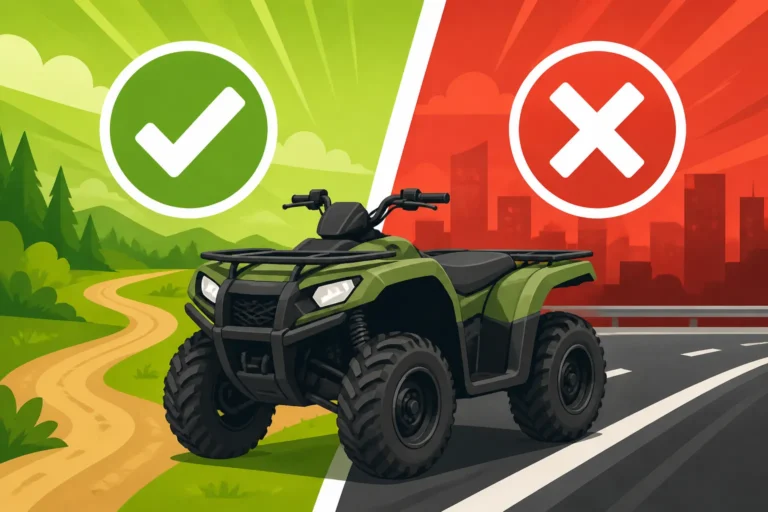
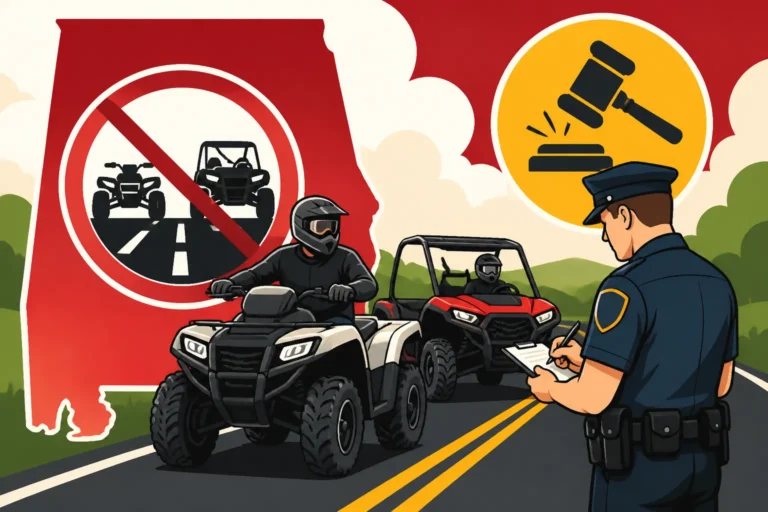
It's a common misconception that if a road isn't paved and is on public land, it must be fair game for ATVs. This is rarely the case. In Alabama, public roads, even unpaved county roads or forest service roads, are generally not considered "designated public use areas" for ATVs and UTVs. The rules for operating off-road vehicles on public roads are very strict and generally prohibit their use unless explicitly made street legal, which is a high bar to clear. You see, an ATV or UTV doesn't meet the federal safety standards required for highway vehicles, which is why they aren't generally allowed on pavement.
So, when a state park or national forest designates an area for OHV use, they are typically referring to a specific trail system, often separate from roads used by conventional vehicles. These trails are purpose-built or adapted for off-road machines, sometimes with specific challenges or features. Navigating these distinctions correctly is paramount to avoiding fines and ensuring the longevity of riding opportunities. Always assume a public road is off-limits unless you see very clear, official signage indicating otherwise, and even then, double-check the specifics.
The Concept of "Designated" Use
The word "designated" is key here. It means there has been an intentional, official act by the managing authority to open certain trails or areas for OHV use. This isn't just a suggestion; it's a formal policy. These designations often come with specific rules regarding the type of vehicle allowed, operating hours, permit requirements, and safety equipment.
Think of it like a public swimming pool: you can swim there because it's designated for swimming, and there are rules about lifeguards, depth, and cannonballs. You wouldn't just jump into a random pond in a public park without knowing if it's safe or allowed. The same logic applies to your ATV. These designations are typically marked with clear signage at trailheads, on official maps, and on the managing agency's website. If you don't see clear signs of designation, it's safer to assume the area is not open for OHV use. This proactive approach helps protect you, other users, and the natural environment.
Where Can You Actually Ride in Alabama's Public Areas?
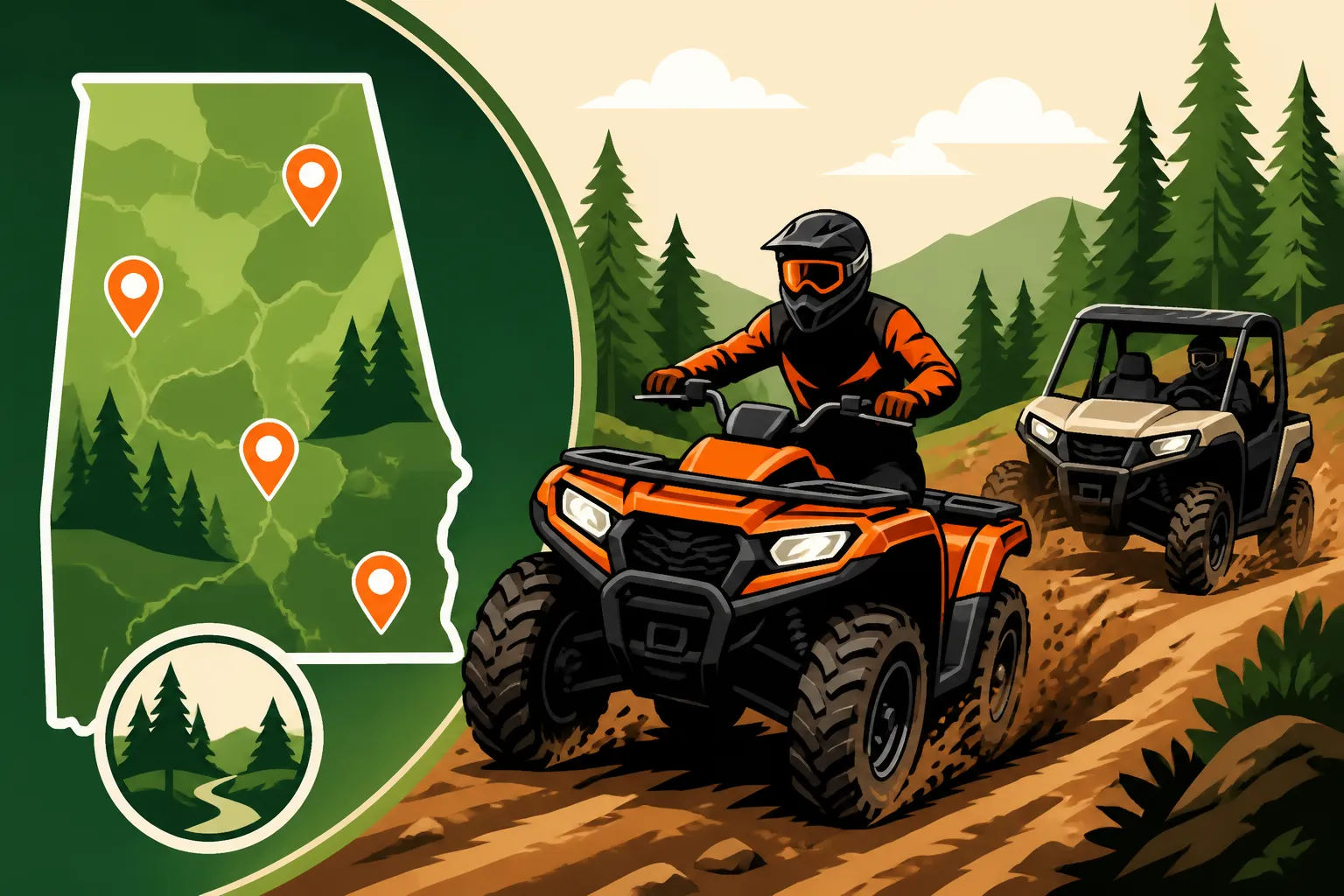
Now that we've cleared up what "public use designated areas" mean, let's get down to the brass tacks: where can you actually take your ATV or UTV for a legal, enjoyable ride in Alabama? While the state doesn't have an endless network of public OHV trails, there are some fantastic options available that are specifically managed for off-road enthusiasts.
State-Operated OHV Parks
Alabama boasts a couple of premier state-operated OHV parks that are the jewels in the crown for public land riding. These parks are designed with riders in mind, offering extensive trail systems for all skill levels.
Stony Lonesome OHV Park
Located in Cullman County, [Stony Lonesome OHV Park in Alabama] is a prime example of a public use designated area. With over 150 miles of trails spread across 1,400 acres, it's a haven for ATVs, UTVs, dirt bikes, and even 4×4 trucks. The park caters to a wide range of riders, from beginners looking for gentle scenic routes to seasoned veterans seeking challenging rock crawling and muddy sections. They have camping facilities, wash stations, and often host events. When planning a visit, it's crucial to check their website for operating hours, entry fees, and any specific park rules that might be in effect, as these can change seasonally or for special events. You'll find sections ranging from smooth dirt roads perfect for a leisurely cruise to technical climbs where aftermarket upgrades, perhaps from a brand like SuperATV, really show their worth in boosting capability.
Minooka Park Riding
Another excellent option is [Minooka Park Riding in Alabama], located in Jemison, Chilton County. While smaller than Stony Lonesome, Minooka Park still offers 420 acres with dedicated trails for OHVs. It's known for its diverse terrain, including woods trails, mud pits, and some challenging climbs. Minooka often hosts competitive events and provides a great local option, especially for those closer to the central Alabama area. Like Stony Lonesome, checking their specific rules on helmets, passenger limits, and spark arrestors is crucial before you load up your rig. These parks are truly designated, meaning they have the infrastructure and management specifically geared towards OHV recreation.
National Forest Lands
This is where it gets a little trickier and often leads to confusion. While Alabama has several beautiful National Forests, such as the Talladega National Forest and the William B. Bankhead National Forest, general OHV riding is not permitted on most forest roads or lands. [Can You Ride an ATV in Alabama's National Forests?] addresses this directly: ATVs and UTVs are typically restricted to specifically designated trails or routes within these forests.
Designated Trails in National Forests
The U.S. Forest Service manages these lands, and their policy is strict: "motorized vehicle use is only allowed on designated roads and trails." This means you cannot simply venture off onto any old fire road or logging trail. You must obtain a Motor Vehicle Use Map (MVUM) for the specific National Forest district you plan to visit. These maps clearly mark the roads and trails where OHV use is allowed. Often, these designated routes are shared with other vehicles, and speed limits and other road rules apply. It's rare to find extensive, dedicated ATV-only trail systems in Alabama's National Forests, unlike the state-operated parks. When in doubt, call the district ranger office for clarification; don't just rely on an old map or hearsay.
Wildlife Management Areas (WMAs)
Alabama's Wildlife Management Areas (WMAs) are primarily managed for hunting, fishing, and other wildlife-dependent recreation. While you might use an ATV to access a deer stand or retrieve game, general recreational riding is severely restricted, if not entirely prohibited, on most WMAs.
Limited Use on WMAs
[Alabama WMA Riding Rules] are very specific and often vary by individual WMA. For the most part, ATVs and UTVs are permitted only on established roads within the WMA, and only for specific purposes like hunting access or game retrieval. They are not allowed off these roads onto trails or through the woods for recreational riding. Furthermore, there are strict rules about the dates and times these machines can be used, often correlating with hunting seasons. You'll usually need an Alabama hunting license and a WMA license, and potentially a daily permit. Always consult the specific WMA regulations, often found in the Alabama Outdoor News or on the Alabama Department of Conservation and Natural Resources (ADCNR) website, before heading out. Violating WMA rules can result in significant fines and loss of privileges.
Other Potential Public-Access Lands
Beyond these main categories, other public lands—like county parks or utility easements—are generally not designated for OHV use unless explicitly stated. Sometimes local municipalities might open very small, limited areas, but these are exceptions rather than the rule. Always err on the side of caution and verify any potential riding area with the managing authority directly. The consequences of trespassing or riding where prohibited can be steep, not to mention the potential damage to natural resources.
| Public Use Area Type | Primary Purpose | OHV Use Designation | Permit/Fee Requirement | Typical Rules & Restrictions |
|---|---|---|---|---|
| State-Operated OHV Parks | Recreational OHV Riding | Extensive, dedicated trail systems | Entry fees (daily/annual), camping fees | Helmets often required, spark arrestors, width/weight limits, age restrictions, specific operating hours, waivers. |
| National Forests | Resource Management, Recreation | Limited to designated roads/trails | No general OHV permit, but specific permits for camping/etc. | Strict adherence to Motor Vehicle Use Maps (MVUMs), often no off-trail riding, speed limits, shared with other vehicles. |
| Wildlife Management Areas | Hunting, Fishing, Wildlife | Very limited, primarily for access | Hunting license, WMA license, sometimes daily permit | Only on established WMA roads, specific seasons/times, for hunting/game retrieval only, no recreational trail riding. |
Rules and Regulations for Public Use Areas
Riding in Alabama's public use designated areas comes with a set of responsibilities. These aren't just suggestions; they are rules designed to protect you, other users, and the environment. Ignoring them can lead to citations, fines, or even the closure of valuable riding opportunities.
Permits and Fees
Accessing most public riding areas in Alabama requires some form of permit or fee. This helps fund the maintenance of trails, facilities, and staff who manage these areas.
Park Entry and Camping Fees
For state-operated OHV parks like Stony Lonesome or Minooka, you'll almost certainly pay an entry fee. This might be a daily pass, or you might be able to purchase an annual membership if you're a frequent visitor. These parks often have additional fees for camping, whether it's primitive tent camping or RV sites with full hookups. These fees are vital for park operations, including trail grooming, restroom maintenance, and security. It's always best to check the park's official website or call ahead for the most current fee schedule and to understand what exactly your payment covers. Some parks, for example, might offer group rates, which is worth asking about if you're planning a large outing.
WMA Permits and Licenses
If you're using your ATV on an Alabama WMA for hunting or game retrieval (remember, not for recreational riding!), you'll need specific permits in addition to your state hunting license. This typically includes a WMA license, and sometimes a daily permit specific to the area you're visiting. [Alabama WMA Permit Cost] can vary, and these permits are often available online through the ADCNR website, or at license vendors. Always have your permits on your person and be prepared to show them to a conservation officer. Failure to have the correct permits is a common reason riders face penalties in WMAs. [Alabama WMA Daily Permit Steps] usually involve checking in and out of the area, either via an app or at a physical kiosk.
Safety Gear and Machine Requirements
Safety is paramount, especially on public trails where conditions can be unpredictable and other riders are present. Public parks and designated areas usually have clear rules on required safety gear and machine specifications.
Helmets, Eye Protection, and Spark Arrestors
While Alabama doesn't have a universal mandatory ATV safety course or helmet law that covers all situations, many public parks and designated riding areas do require helmets, especially for minors. [Alabama Rules for Young Riders] are often more stringent in these managed areas. Even where not legally mandated, wearing a DOT-approved helmet and appropriate eye protection (goggles or a face shield) is always a smart choice for any off-road riding. These areas also frequently mandate spark arrestors on your exhaust system. A spark arrestor prevents hot carbon particles from escaping and potentially starting a wildfire, a critical concern, especially during dry Alabama summers. [Does Alabama Require a Spark Arrester on an ATV?] is a common question, and for public lands, the answer is often yes.
Width, Weight, and Tire Restrictions
Public OHV parks and designated trails often have specific limitations on machine size. For instance, some trails might be too narrow for wider side-by-sides, or they may have weight limits to prevent excessive trail damage. You might see restrictions like "60 inches wide at most" for ATVs or specific guidelines for UTVs. These are often in place to preserve the integrity of the trail system and ensure compatibility with other users. Machines equipped with aggressive, mud-specific tires might be subject to certain rules, particularly if the park wants to minimize rutting on specific trails. Checking these specifications before you go is crucial, especially if your machine has aftermarket accessories that might affect its dimensions, such as extended A-arms or wider tires, which a company like SuperATV offers.
Age Restrictions and Supervision
Public riding areas, especially those managed by state or federal entities, almost universally have age restrictions for operators and often require adult supervision for younger riders.
Minimum Age Requirements
It's common for parks to set a minimum age for operating an ATV or UTV, often aligning with manufacturer recommendations (e.g., 16 for full-size ATVs). Younger riders are typically allowed on youth-sized machines, but only under direct adult supervision. These rules are in place for the safety of the rider and others, recognizing that operating an OHV requires judgment, physical coordination, and the ability to react quickly. Some parks may even offer youth rider courses, an excellent opportunity to safely introduce younger enthusiasts to the sport. Parents should always review the park's specific age policies before planning a trip with children.
Environmental Responsibility and Trail Etiquette
Beyond legal requirements, practicing good trail etiquette and environmental responsibility is essential to preserve these riding areas for everyone.
Stay on Marked Trails and Tread Lightly
The golden rule for public land riding is to "stay on marked trails." Going off-trail can damage fragile ecosystems, erode soil, disturb wildlife, and create new, unauthorized paths that compromise the trail system. Respect trail closures, especially after heavy rains, as riding on wet trails can cause significant damage. [Alabama Trail Closures After Rain] are common, and respecting them prevents rutting that can take months or years to repair.
Pack out everything you pack in, and leave no trace. Be mindful of noise levels, especially near camping areas or residential zones adjacent to the park. Yield to slower riders and give plenty of space to other trail users like hikers or mountain bikers if they are permitted on shared trails. Remember, these are shared resources, and responsible behavior ensures they remain open for future generations. Investing in durable skid plates and other protective gear, perhaps from a reliable brand like SuperATV, can also help protect the environment by preventing machine fluids from leaking onto trails if you hit an obstacle.
Navigating the Nuances: Local vs. State vs. Federal Rules
Understanding which set of rules applies to your ATV or UTV ride in Alabama can be genuinely confusing, as different levels of government—state, federal, and local—each have their own jurisdictions and regulations. It’s like peeling an onion, where each layer presents a different set of guidelines.
When State Law Governs Everything
For private land in Alabama, state law largely sets the baseline. If you're riding exclusively on private property with the owner's permission, many of the stricter public land rules, like those regarding specific permits or designated trails, don't directly apply. However, general state laws regarding reckless operation, DUI, and age restrictions for certain activities still hold sway, regardless of whether you're on your own back forty or a friend's hunting lease.
When it comes to state-operated OHV parks, like Stony Lonesome or Minooka, the state's statutes provide the overarching framework, but the park management can — and does — implement more specific and often more restrictive rules. These are usually outlined in park signage, brochures, and on their official websites. So, while [Alabama Public Use ATV Registration Explained] clarifies the voluntary nature of registration, a state park might still require you to display a registration decal as part of its internal operating procedures. It’s essential to remember that park-specific rules are often supplements to, rather than replacements for, broader state laws.
Federal Regulations in National Forests
Riding within a National Forest in Alabama introduces another layer of regulation: federal law. The U.S. Forest Service operates under federal statutes and policies, which take precedence over state laws in many respects on federal land. As discussed earlier, the key here is the Motor Vehicle Use Map (MVUM). These maps are the definitive guide for where motorized vehicles are permitted. Any road or trail not explicitly marked for motorized use on an MVUM is off-limits.
This is why, even if a state law might seem to permit something, a federal regulation on National Forest land can override it. For instance, the types of vehicles, the seasons they can be operated, and specific equipment requirements (like spark arrestors) can be dictated by federal guidelines. The fines for violating federal regulations on National Forest land can be substantial, often more severe than state-level infractions. Always consult the specific National Forest's local ranger district for the most current information before planning a ride. This is crucial for [Can You Ride an ATV in Alabama's National Forests?].
The Limits of Local Ordinances on Public Lands
Local ordinances, enacted by cities or counties, typically govern activities within their municipal or county limits. However, their authority over state or federally managed public lands is often limited. A city ordinance banning ATVs on city streets, for example, would not apply to a state-operated OHV park located within that city's county, nor would it override federal regulations within a National Forest.
Local governments can pass ordinances that affect private land within their jurisdiction, such as noise restrictions or rules about riding hours in residential areas. They can also regulate public roads that are under their direct control, which is why you generally cannot ride an ATV on a county road unless a very specific and rare local ordinance allows it. However, for a truly designated public use area like a state park or a federal forest, the rules of the managing state or federal agency typically prevail. It's a complex hierarchy, but remembering that state and federal lands primarily answer to their respective governing bodies can help clarify things.
Preparing for Your Public Land Adventure
A successful and enjoyable ATV or UTV outing on Alabama's public designated trails isn't just about knowing where to go; it's about being prepared. Taking the time to plan your trip and ready your machine can make all the difference, transforming a potential headache into a memorable adventure.
Pre-Trip Planning and Research
The most important step before hitting any public trail is thorough research. Don't just show up hoping for the best.
Checking Park Websites and Conditions
Always start by checking the official website for the specific park or land management agency you plan to visit. This is where you'll find the most up-to-date information on operating hours, current fees, specific rules, and crucial alerts like [Alabama Trail Closures After Rain], which are very common during the state's wet seasons. Websites often list amenities like camping, restrooms, and wash stations, helping you plan your day. It’s also wise to check for any special events or maintenance closures that might affect your visit. For example, some parks might be closed midweek, or have later hours on certain days.
Understanding Specific Area Rules and Permits
Beyond general park information, delve into the specific rules for OHVs. What are the age requirements? Are passengers allowed on your specific type of machine? What kind of safety gear is mandated? If you're heading to a WMA, confirm [Alabama WMA Riding Rules] and ensure you have all necessary hunting and WMA licenses and permits. If you're visiting from out of state, say from Georgia or Mississippi, it's also worth researching [Alabama Rules for a Visiting Georgia Rider] or similar topics, as some rules might differ for non-residents. Knowing these details upfront prevents unwelcome surprises at the gate or on the trail.
Mapping Your Route and Understanding Difficulty Ratings
Many public riding areas provide maps, either online or at the trailhead. Take time to study these maps and plan your route. Understand the trail difficulty ratings – green for easy, blue for moderate, black for difficult – and choose trails appropriate for your skill level and your machine's capabilities. Don't bite off more than you can chew, especially if you're new to the sport or riding with inexperienced companions. Knowing your planned route also makes it easier for others to locate you in an emergency. Cell service can be spotty in many remote areas, so a downloaded map or a physical map is essential.
Essential Gear and Machine Prep
Your machine and your personal gear need to be ready for the demands of public trails.
Personal Safety Gear
Beyond any mandated helmets, always wear appropriate riding gear. This includes long pants, a long-sleeved shirt, sturdy over-the-ankle boots, and gloves. Eye protection is non-negotiable, even if you have a windshield. Consider knee and elbow pads, especially for more aggressive riding. If you're going to be out for a while, a small backpack with water, snacks, and a basic first-aid kit is a must. Remember, [Does Alabama's Motorcycle Helmet Law Cover ATV Riders?] and similar questions are answered by specific park rules, so always defer to the strictest requirement.
Machine Maintenance and Trail Tools
Give your ATV or UTV a thorough pre-ride inspection. Check tire pressure, fluid levels, brakes, and lights. Ensure your spark arrestor is clean and properly installed. Carry essential tools for minor trailside repairs, such as a tire repair kit, small air compressor, basic wrenches, zip ties, and duct tape. A winch can be a lifesaver on challenging terrain, especially if your machine frequently navigates mud or steep climbs. Many riders install durable aftermarket parts, like those from SuperATV, knowing they'll stand up to the rigors of public trails. Make sure your machine is fueled up, and consider carrying extra fuel if you plan an extensive ride in an area without nearby gas stations.
Safety Considerations and Emergency Planning
Even with the best preparation, unexpected situations can arise. Being ready for them is key.
Riding with a Buddy and Communication
Always try to ride with at least one other person. There's safety in numbers. If you ride solo, inform someone of your planned route and expected return time. Carry a fully charged cell phone, but don't rely on it for navigation or emergency calls, as service can be unreliable in rural Alabama. A satellite messenger or GPS device with emergency contact capabilities is an excellent investment for more remote areas.
Understanding Trail Hazards
Alabama's terrain can present unique challenges. Red clay can become incredibly slick and sticky after rain, making even moderate trails difficult. Watch out for hidden roots, rocks, and sudden drops. Be aware of local wildlife, including snakes, especially during warmer months. Know the signs of heat exhaustion and dehydration, common in Alabama's humid climate. By preparing both yourself and your machine, you can maximize your enjoyment and minimize risks while exploring Alabama's fantastic public use designated areas.
Disclaimer
This article is for general informational purposes only and does not constitute professional advice. Laws, prices and regulations vary by location and change over time. Consult a qualified professional for guidance on your specific situation.