Alabama Title for a 2026 Side-by-Side
Trying to figure out how Alabama's brand-new titling law applies to your shiny new 2026 model year side-by-side can feel like navigating a muddy trail after a heavy rain – confusing and a bit overwhelming. Owners are often left scratching their heads, wondering if they need a title, how to get one, and what it all means for their exciting new machine. This guide will cut through the confusion, clearly explaining everything you need to know about titling your 2026 side-by-side in Alabama, ensuring you're ready for the trails, the farm, or wherever your adventures take you.
Understanding Alabama's New Titling Law for 2026 Model Year Machines
For years, Alabama off-road vehicle owners have had a registration system, but no formal title proving ownership. This created a lot of headaches when it came to proving you owned your machine, especially if it was stolen or you wanted to sell it. The good news is, a new law has stepped in to clarify things, bringing titles into the picture for newer machines.
Why the 2026 Model Year is a Game Changer
The most crucial detail to grasp is the "2026 model year" aspect. It's not about when you buy the machine, but rather the model year designated by the manufacturer. If your side-by-side is a 2026 model year or newer, the new titling requirements apply to you. This law, [Alabama's 2024 Titling Law], aims to provide a clear chain of ownership, much like for cars and trucks. Before this, proving who truly owned an off-road machine was often a patchwork of bills of sale and handwritten notes, making things like insurance claims or recovering a stolen machine a real nightmare. Now, with a title, you'll have an official state-issued document that legally establishes you as the owner. This change finally addresses a long-standing frustration for many Alabama riders, bringing much-needed clarity and security to their investments.
What Qualifies as a Side-by-Side Under the New Law
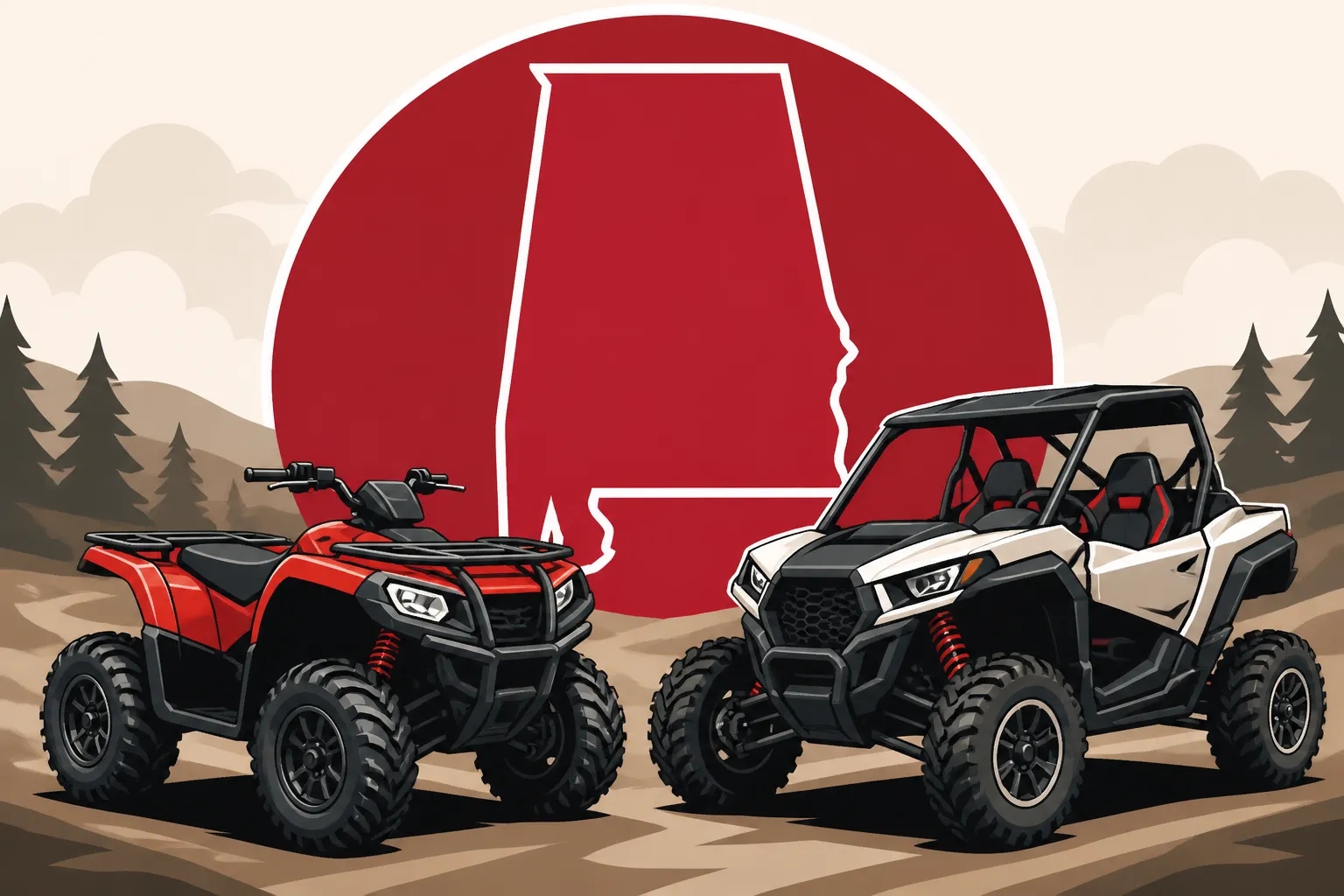
Alabama's new law is specific about what vehicles it covers. When we talk about a side-by-side, the law typically refers to it as a Recreational Off-Highway Vehicle, or ROV. These are generally defined by their width, weight, and seating arrangement. For instance, side-by-sides are built for off-road use, usually have a steering wheel, foot pedals, and bucket or bench seating for two or more people side-by-side. They are distinct from traditional ATVs (quads), which you straddle, and golf carts, which have a different primary design intent and often different speed capabilities. The new titling requirements apply squarely to these modern ROVs that have become so popular for both recreation and utility across the state. Understanding [Alabama's ATV and ROV Legal Definitions] is key here, as the statute clearly outlines the characteristics that determine whether your machine falls under these new titling rules. If your machine fits the description of a modern side-by-side, you'll be part of this new titling process.
The Difference Between Titling and Registration
It's absolutely vital not to confuse titling with registration; they are two separate processes, handled by different state agencies, and they serve different purposes. A title is proof of ownership. It's a document that says, definitively, "This machine belongs to [Your Name]." It's a one-time process when you first acquire the machine (or when the law became effective for your model year). Registration, on the other hand, is essentially a permit to operate your machine, either on designated public lands or for certain private uses. It's something you renew periodically, usually every three years in Alabama, and it results in a decal you place on your machine. You can think of it like this: your house has a deed (a title) proving you own it, but you also pay property taxes annually (a form of registration for public services). In Alabama, [Alabama Splits Titling and Registration Between Agencies], with titles generally handled at the county level by probate offices or license commissioners, and registration handled by the Alabama Law Enforcement Agency (ALEA). Many owners have previously gone through the ALEA registration process, so they mistakenly believe that's all they need. For a 2026 side-by-side, you'll need both a title and a registration to legally operate it where required.
Step-by-Step Guide to Titling Your 2026 Side-by-Side
Getting your title might seem like a bureaucratic hurdle, but breaking it down into manageable steps makes it much easier. You'll primarily be working with your local county office, which acts as the state's agent for these title applications.
Gathering Your Essential Paperwork
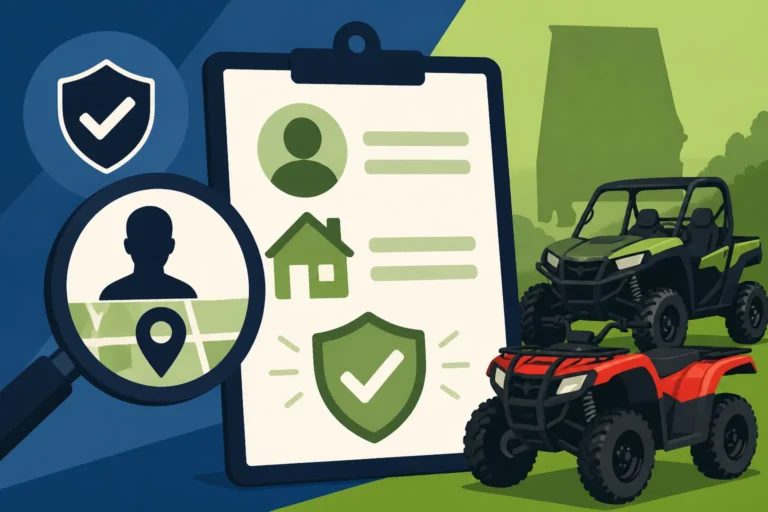
Before you even head out the door, take the time to collect all the necessary documents. Missing even one piece of paper can lead to frustrating delays and multiple trips. For a new 2026 side-by-side, you'll generally need:
- Manufacturer's Certificate of Origin (MCO) or Manufacturer's Statement of Origin (MSO): This is the original document from the manufacturer, essentially the "birth certificate" for your machine. It proves it's new and has never been titled before.
- Bill of Sale: This is your proof of purchase from the dealer or private seller. It needs to include specific details like the purchase price, the date of sale, the seller's and buyer's full names and addresses, and crucially, the Vehicle Identification Number (VIN) of the side-by-side. If you're buying from a private seller, you might consider using a reputable online service like LawDepot to generate a comprehensive bill of sale, ensuring all necessary details like the VIN are included and legally sound. Make sure the VIN on the bill of sale matches the MCO/MSO and the machine exactly. [Alabama Bill of Sale Requirements] can give you more specific details on what to include.
- Proof of Identity: Your valid driver's license or state-issued ID card.
- Proof of Residency: Documents like a utility bill or lease agreement that show your current Alabama address.
- Odometer Disclosure Statement (if applicable): While not typically required for new off-road vehicles, it's worth being aware of.
- Lien Holder Information (if financing): If you've financed your side-by-side, your lender will need to be listed on the title application. Have their full legal name and address ready.
Having these documents neatly organized will make your visit to the county office much smoother.
Where and How to Apply for Your Title
Once your paperwork is in order, you're ready to apply for your title. This process is handled at your local county probate office or license commissioner's office. These are the same offices that handle vehicle tag and title applications for cars and trucks.
- Locate Your County Office: Find the specific office in your county that handles vehicle titles. A quick search for " [Your County Name] Probate Office" or " [Your County Name] License Commissioner" should point you in the right direction.
- Complete the Application: You'll fill out an Alabama Off-Road Vehicle Title Application form. The county clerk can assist you with this. Double-check all information for accuracy, especially the VIN and your personal details.
- Submit Paperwork and Fees: Hand over your completed application and all supporting documents. The county office will also collect the required title fees and any local processing charges. While specific amounts can vary slightly, expect a state title fee and a small issuance fee. For detailed information on what to expect, check out [Alabama Title Fees at the County].
- The ALVIN System: Your application will be processed through the state's electronic titling system, known as ALVIN (Alabama Vehicle Information Network). This system is designed to streamline the titling process, allowing for efficient record-keeping and processing. Understanding [Alabama Title Processing Through ALVIN] can give you insight into the behind-the-scenes work.
- Receive Your Title: After processing, your title will typically be mailed to you or your lienholder if you have one. It's not an instant process, so don't expect to walk out with the physical title in hand immediately.
Navigating Fees and Processing Times
The cost of titling your side-by-side in Alabama is made up of a few components. There's a state-mandated title fee, which is a set amount. In addition to this, your county office will likely charge a small processing or agent commission fee for handling the application. These fees are designed to cover the administrative costs of the titling system. While I can't give you exact numbers, these fees are generally quite modest, similar to what you'd pay for a car title. Always be prepared for your county to accept specific payment methods, so check ahead of time.
As for processing time, patience is a virtue. Once you submit your application and fees, it generally takes several weeks for the official title to be mailed to you. This is a standard timeframe for state title processes, as applications are often batched and processed centrally. It's always a good idea to ask the clerk at the county office for an estimated timeframe when you submit your application. They can usually give you a realistic expectation. For more context on the waiting period, [How Long an ATV Title Takes to Arrive] can offer some peace of mind. Remember, even though you don't have the physical title immediately, your application submission marks the start of your legal ownership documentation.
Common Questions and Scenarios for 2026 Side-by-Side Owners
Even with clear instructions, unique situations often arise. Here are answers to some of the most common questions and scenarios you might encounter when titling your side-by-side.
Dealing with Out-of-State Purchases
It's common for Alabamians to purchase off-road vehicles from dealers or private sellers in neighboring states like Georgia or Mississippi, especially if they find a better deal or a specific model. However, buying a 2026 model year side-by-side out of state doesn't exempt you from Alabama's titling law. The process will be very similar to an in-state purchase, but with a few key differences:
- Sales Tax: You'll likely pay Alabama use tax on the purchase when you title the machine, even if you paid sales tax in another state. The county office will handle the collection of any applicable Alabama sales or use tax during the titling process.
- MCO/MSO: Ensure the out-of-state dealer provides you with the Manufacturer's Certificate of Origin (MCO) or Statement of Origin (MSO). This is critical for showing the machine has never been titled.
- Bill of Sale: Your bill of sale from the out-of-state seller must still meet Alabama's requirements, clearly stating the VIN, purchase price, and seller's information.
- Emissions/Inspections: Fortunately, Alabama typically doesn't require emissions testing or special inspections for off-road vehicles coming from out of state, simplifying this part of the process compared to some other vehicle types.
No matter where you bought your new 2026 side-by-side, the goal is the same: to get that Alabama title issued in your name. For more specific guidance on this, consult [Alabama Title for a Machine Bought Out of State].
Financing Your Side-by-Side and Lien Records
Many people choose to finance their new side-by-side, and this introduces an important element to the titling process: the lienholder. If you've taken out a loan to purchase your 2026 machine, the lender has a financial interest in it until the loan is paid off.
When you apply for your title, the county office will ask for information about your lienholder. The lienholder's name and address will be recorded on the official title document. This means that when the title is issued, it won't necessarily be mailed directly to you. Instead, it will often be sent to the lienholder, who will hold onto it until you've paid off your loan in full. Once the loan is satisfied, the lienholder will release the lien, and you can then apply to have a clean title (without the lienholder's name) issued directly to you. This system protects both the lender and you, providing a clear record of who has a financial stake in the machine. Understanding [How a Lender's Lien Shows on a New Title] is crucial if you're financing, as it impacts who receives the title and when.
Why Titling Matters Even If You Only Ride Private Land
Some owners might think, "I only ride my side-by-side on my own property or private hunting leases, so why do I need a title?" While public land access is a major reason for registration, titling serves a much broader purpose tied directly to your ownership and investment.
- Proof of Ownership: A title is the strongest legal proof that you own your side-by-side. If your machine is ever stolen, having a title is absolutely essential for reporting it to law enforcement and for potential recovery. Without a title, proving to the police or your insurance company that the machine was yours can be incredibly difficult, often relying solely on a bill of sale that can be lost or contested. [Theft Recovery Without a Title] highlights the challenges faced without this crucial document.
- Resale Value: When you decide to sell your side-by-side, having a clean, clear title makes the process far simpler and often increases its resale value. Buyers are much more confident purchasing a machine with a title, as it eliminates any doubt about ownership history or potential liens. It speeds up the transaction and gives the buyer peace of mind. [Selling a Registered Machine in Alabama] touches on how proper documentation impacts sales.
- Insurance Claims: In the unfortunate event of an accident or major damage, your insurance company will almost certainly require proof of ownership before settling a claim. A title provides this proof without question.
Even if your machine never touches public land, the security and peace of mind that a title provides for your investment are invaluable.
Beyond Titling: Your Side-by-Side and Registration
As we discussed, titling and registration are distinct. Even after you've secured your title for your 2026 side-by-side, you'll still need to consider registration, especially if you plan to ride anywhere beyond your immediate private property.
Don't Forget Registration
Just because you have a title doesn't mean you're done with all the paperwork for your new 2026 side-by-side. If you intend to operate your machine on any public lands or designated trail systems in Alabama, you must also register it with the Alabama Law Enforcement Agency (ALEA). Even for some private land uses, like agricultural operations that might occasionally cross a public road, registration might be beneficial or even required for specific exemptions. The good news is that [Alabama ATV Titling Starts With Model Year 2026], meaning this is a new layer of protection and clarity, not a replacement for registration. Registration is crucial for demonstrating your compliance with state regulations for operating an off-road vehicle. Ignoring registration can lead to fines and other penalties if you're caught riding in an area where it's required. So, after you get your title squared away, make sure to visit the ALEA website or an authorized vendor to complete your registration.
Public Use Versus Private Use Tiers
Alabama's off-road vehicle registration system has two distinct tiers: "Public Use" and "Private Use." Understanding which one applies to you is important, as it dictates where you can legally ride and the associated fees.
- Public Use Registration: This tier is for machines that will be operated on designated public lands, such as state parks with OHV trails, national forest trails where permitted, or other officially recognized riding areas. If your adventures take you to places like Stony Lonesome OHV Park or Minooka Park, you'll need a public use registration. This tier typically has a slightly higher fee because it contributes to the maintenance and development of public riding opportunities. It demonstrates your compliance with the broader state framework for off-road recreation.
- Private Use Registration: This tier is generally intended for machines that are used exclusively on private property, such as your own land, a hunting lease, or a friend's farm. While Alabama's registration is voluntary for private use, some owners choose this tier for the added identification it provides, which can be helpful in cases of theft or for insurance purposes. The fee for private use registration is typically lower. However, it's critical to remember that if you have a private use registration, you cannot legally ride on public trails. If your plans change and you decide to hit the public trails, you would need to switch your registration to the public use tier.
The decision between public and private use hinges entirely on your riding habits and intentions. It's a key distinction in Alabama's system, and choosing the right tier ensures you're riding legally and responsibly. For a deeper dive into these categories, refer to [Alabama Public Use Versus Private Use].
| Feature | Alabama Title (2026 Side-by-Side) | Alabama Registration (Any ATV/UTV) |
|---|---|---|
| Purpose | Proof of ownership | Permit to operate |
| Model Year Trigger | 2026 Model Year and newer ONLY | Any model year |
| Agencies Involved | County Probate/License Commissioner | ALEA (Alabama Law Enforcement Agency) |
| When to Get It | Once, upon purchase | Renewed every three years |
| Key Documents | MCO/MSO, Bill of Sale, ID, Application | Proof of ownership, ID, Application |
| Outcome | Official Title Document | Registration Decal, Certificate |
| Mandatory For | All 2026+ model year machines | Public land use (voluntary for private) |
| Benefit | Theft recovery, resale, legal proof | Legal operation, public trail access |
Disclaimer
This article is for general informational purposes only and does not constitute professional advice. Laws, prices and regulations vary by location and change over time. Consult a qualified professional for guidance on your specific situation.