County Processing Between Eighteen and Twenty-Three
It can feel like navigating a maze trying to figure out where your off-road vehicle (ORV) registration truly stands in Alabama, especially when your local county office gets involved. You hand over your paperwork, you pay some fees, and then you're left wondering what happens next and why the amounts are what they are. This guide is here to walk you through the county's crucial role in processing your ATV or UTV registration, shedding light on the various steps and charges you might encounter along the way.
Understanding the County's Role in ATV and UTV Registration
When it comes to getting your ATV or UTV registered in Alabama, your local county office is often the first and most direct point of contact. This can sometimes lead to confusion, as different counties might have slight variations in how they present information or what specific local charges they have. But at its core, their function is pretty consistent across the state. They're not just a drop-off point; they're an active participant in getting your machine officially recognized.
The Local Hub for Your Off-Road Paperwork
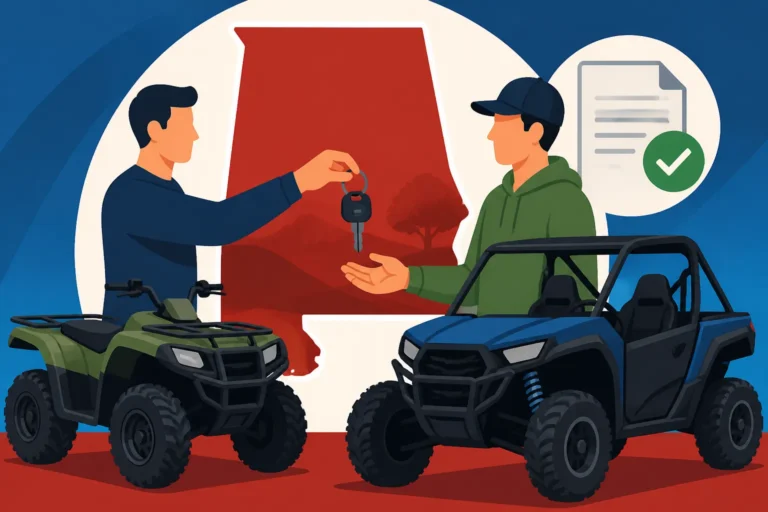
Think of your county office, usually found within your probate court or license commissioner's office, as the local front door to the state's off-road vehicle registration system. This is where you bring all your essential documents: your bill of sale, proof of ownership, and your completed application forms. It's a critical first step, and getting it right here saves a lot of headaches down the road. They're equipped to review your submission, ensure all the necessary boxes are checked, and collect any initial fees. This local interaction is invaluable because if there's a problem, you often have the chance to correct it on the spot rather than waiting for mail to go back and forth. You might even find helpful resources like pre-filled forms or examples of a proper [Alabama Bill of Sale Requirements] right there, making the process smoother.
Why Your County Office Is Key
Your county office isn't just a receptionist; they play a vital administrative role. They're responsible for verifying your identity, confirming your residency, and ensuring the machine's details, especially the Vehicle Identification Number (VIN) or serial number, are correctly captured. This initial review is crucial for preventing errors that could delay your registration or cause issues later on. They act as an intermediary, collecting information and fees on behalf of the state. While the actual registration record might reside centrally, your local county makes sure all the pieces are in place to get that record created. This local touch means that if you have questions about, say, [Alabama Registration Paperwork Explained] or proving ownership, you can often get direct, personalized assistance.
Breaking Down the Fees: The Issuance and Processing Charges
When you visit your county office to register your ATV or UTV, you'll inevitably encounter fees. These aren't just arbitrary numbers; they cover the administrative costs associated with processing your application at both the local and state levels. While specific dollar amounts can vary or change, understanding the types of charges helps demystify your receipt. The "eighteen" and "twenty-three" mentioned in the article's title often refer to different total figures or components that make up the final cost you pay for registration services, reflecting various processing elements.
The Standard Issuance Fee and What It Covers
One of the most common and consistent charges you'll see is the state's issuance fee. This fee is a fixed amount intended to cover the basic administrative costs of issuing your registration. For instance, there's a specific [Alabama's $2.50 Issuance Fee] associated with each registration. This isn't just a random charge; it helps fund the system that creates and maintains your off-road vehicle record. It's part of the streamlined process that allows the state to track registered machines and ensure proper identification. This fee typically applies whether you're registering a brand-new machine from a dealer or an older model you've purchased privately.
Additional County Processing Charges You Might See
Beyond the state's issuance fee, your local county office may also levy its own administrative or processing charges. These charges compensate the county for the staff time, resources, and overhead involved in handling your paperwork, entering data into the system, and interacting with the state's central registration database. These local charges can sometimes contribute to the variations you might see in total costs from one county to another, or for different services like a duplicate registration versus an initial one.
For example, when considering the overall [Alabama ATV Registration Cost], you'll see the state's three-year registration fee plus these county-level processing fees. If you're using a service like LawDepot to generate a formal bill of sale, ensuring all the details are correct upfront can help avoid delays and potential re-submission fees at the county office. These local processing fees are a necessary part of the infrastructure that supports convenient, in-person registration services, allowing you to quickly get your decal and hit the trails.
| Fee Type | Description | Collected By | Purpose |
|---|---|---|---|
| State Registration Fee | The primary cost for a three-year registration. | County (on behalf of State) | Funds the state's off-road vehicle program. |
| Issuance Fee | A small, fixed charge for the administrative act of issuing the registration. | County (on behalf of State) | Covers basic processing and system maintenance at the state level. |
| County Processing Charge | Local administrative fee covering staff time, data entry, and local overhead. | County | Compensates the county for providing direct registration services. |
| Transfer/Duplicate Fee | Additional fees for transferring registration to a new owner or replacing a lost decal. | County (on behalf of State) | Covers administrative costs for changes to existing records. |
The Journey of Your Registration Application After Submission
Once you've handed over your completed forms, presented your identification, and paid the necessary fees at your county office, your application doesn't just sit there. It embarks on a journey through a defined administrative process designed to get your off-road vehicle officially registered. Understanding this flow can help alleviate concerns about delays and clarifies why things happen the way they do.
What Happens at the County Level First
The immediate aftermath of your submission involves a thorough review by county staff. They'll meticulously check everything you've provided: confirming that your [Alabama Serial Numbers on the Application] match your machine, verifying the validity of your [Alabama Bill of Sale Requirements], and ensuring that you've accurately completed the application. This is their chance to catch any discrepancies or missing information before it goes further. If everything is in order, the county office then enters your data into the state's registration system. This initial data entry creates a temporary record and sets the stage for the official registration. They might print out a temporary document for you right there, along with your registration decal, marking the effective start of your registration period. For many people, this immediate gratification is a huge plus, allowing them to ride without significant delay.
When Your Paperwork Heads to Montgomery
While your local county office processes your application and issues your decal, the physical paperwork, or at least the digital data, eventually makes its way to the state level. Specifically, [Why Your Registration Paperwork Goes to Montgomery] is because the Alabama Law Enforcement Agency (ALEA) is the ultimate authority for off-road vehicle registrations. The data submitted by your county office is transmitted to ALEA for final review, processing, and permanent record-keeping. This central repository ensures consistency across the state and allows for a comprehensive database of all registered ATVs and UTVs. This separation of duties – local collection and initial processing, followed by state-level record keeping – is why sometimes minor corrections or audits might happen later, though usually, the county's front-line checks handle most issues. This state-level processing is also crucial for ensuring that your machine's registration is valid for public use where allowed, as outlined in guides like [Do You Need to Register an ATV in Alabama?].
Common Questions and Challenges at the County Office
Even with a clear understanding of the process, you might still encounter specific situations that cause a snag when trying to register your ATV or UTV at the county office. These challenges often revolve around proving ownership, especially for older machines or those bought in private sales where pristine paperwork isn't always available. It's frustrating to be turned away, but knowing common issues can help you prepare.
Proving Ownership Without a Title
One of the biggest hurdles many off-road vehicle owners face is [Alabama Proof of Ownership Without a Title]. Because Alabama did not previously title ATVs or UTVs until model year 2026, many machines, especially older ones, simply don't have a formal state-issued title. This doesn't mean you can't register them, but it does mean you need alternative proof. Your county office will usually look for a strong paper trail that establishes your ownership. This might include a bill of sale, a previous registration card, or even a notarized affidavit from the seller. For complex situations, you might consider using online legal document services like LawDepot to help draft a robust bill of sale or affidavit to solidify your claim of ownership. These documents need to clearly identify the machine by its serial number and demonstrate a clear transfer of ownership to you.
Dealing with Missing Paperwork
What if you've bought a machine from a private seller, perhaps at a farm sale, and the paperwork is minimal? This is a common scenario, and it can be a real headache. Whether it's missing a formal bill of sale or the previous owner's contact information is scarce, the county office needs something to prove the machine isn't stolen and legitimately belongs to you. In cases like [Proving Ownership of a Quad Bought at a Farm Sale], you might need to present multiple forms of evidence. This could include a signed and dated receipt, photographs of the transaction, or even a sworn statement from witnesses. If you're missing critical documents like a complete bill of sale, the county clerk might advise you to try and contact the seller for a more comprehensive document. It's always best to be overly prepared with documentation when you head to the county office, even if you have to piece it together using resources like customizable forms from LawDepot to fill in the gaps for things like a proper bill of sale. Sometimes, if the machine was purchased from a dealer, they handle most of this for you, as detailed in [Alabama Dealer Paperwork at Delivery]. However, private sales put the onus squarely on you, the buyer, to secure the necessary proof.
Disclaimer
This article is for general informational purposes only and does not constitute professional advice. Laws, prices and regulations vary by location and change over time. Consult a qualified professional for guidance on your specific situation.